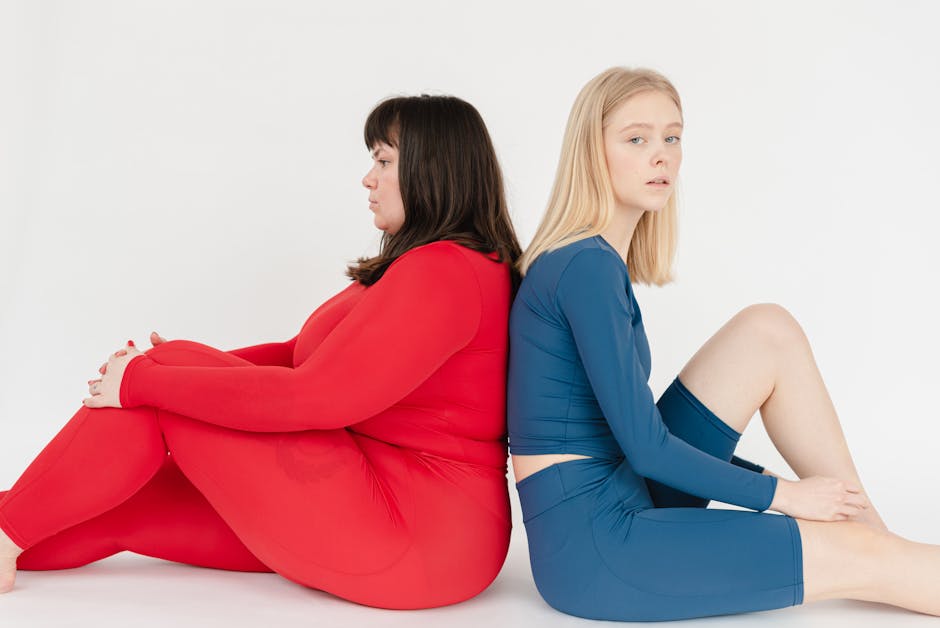


Plus-size fashion is moving from back corners and online-only catalogs onto main retail floors, and the numbers explain why. The global plus-size clothing market is valued at over USD 282 billion and is projected to reach USD 426 billion by 2030. This shift is driven by real commercial logic, not charity.
The Numbers Make the Case
The global plus-size clothing market is valued at over USD 282 billion and is projected to reach about USD 426 billion by 2030. Set against a global apparel market of roughly USD 1.8 trillion, that is a substantial and growing slice.
For years, a segment this large was treated as niche while standard sizes claimed most shelf space and design attention. Recent anxiety over GLP-1 weight-loss drugs prompted some brands to question the category’s future. One commentator pushed back sharply, noting that the panic “reveals they never understood their customer to begin with.” A durable customer base doesn’t vanish on a trend cycle.
What Lasting Inclusion Requires
Adding a larger size tag is not the same as designing for it. Forward-thinking brands now develop garments on plus-size fit models rather than scaling up straight-size patterns. That shortcut produces poor fit and high return rates.
Two benchmarks separate structural change from a performative gesture. First, pricing equity: when identical styles cost more in larger sizes, the inclusion message rings hollow. Second, year-round depth: assortments that shrink outside peak moments signal experiment rather than commitment. An inclusive store offers range across price points, not just across sizes, so that personal style stays within reach for more people.