
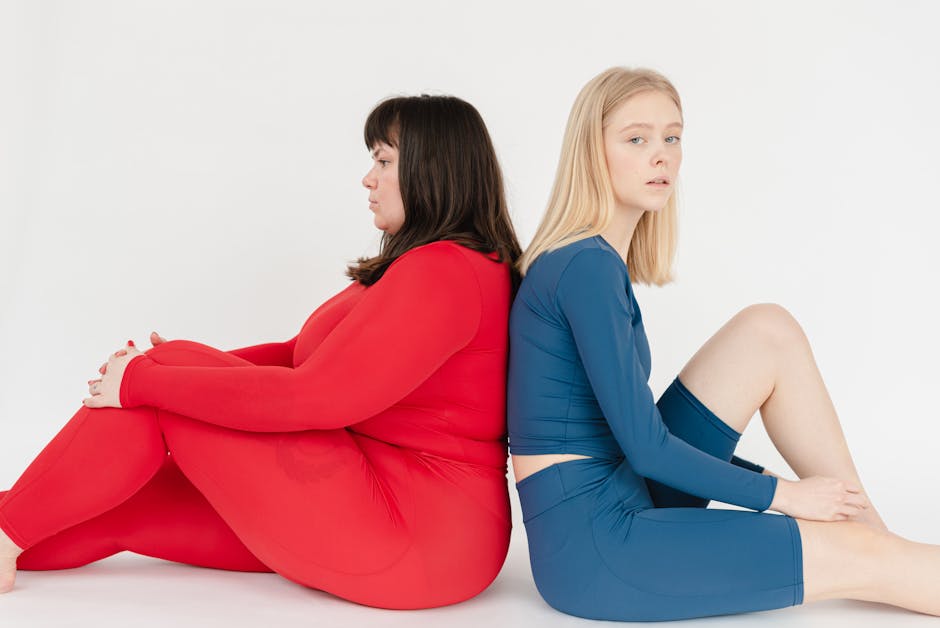
When a celebrity announces they’ve achieved “size zero,” social media erupts with both praise and concern. Comments flood in: “Goals!” versus “That’s unhealthy!” But what does this label really mean for health?
For many young adults scrolling through curated feeds, size zero represents an aspirational ideal, a number that promises acceptance, beauty, and success. Yet behind this fashion term lies a complex reality that has little to do with wellness. Understanding size zero means separating arbitrary clothing measurements from medical health markers, while building body image that celebrates diversity over numbers on tags.
What Size Zero Actually Means
Size zero is a fashion industry invention, not a medical standard.

In the United States, it typically corresponds to a 23-24 inch waist and 32-33 inch hips. But here’s where it gets confusing: these measurements can vary up to two inches between brands because of “vanity sizing,” where companies adjust sizing to make customers feel better about purchases.
International sizing adds another layer of inconsistency. A UK size 4 equals a US size 0, while European size 32 represents the same measurements. This arbitrary nature reveals an important truth: size labels tell us nothing meaningful about health.
What matters more than clothing size is body composition. Two people wearing size zero can have vastly different muscle mass, bone density, and body fat percentages. One may be naturally petite with strong muscles and healthy organs, while another achieved that size through dangerous restriction, resulting in weakened systems. The number on the tag reveals nothing about what’s happening inside.
Media’s Role in Size Standards
The fashion industry has shaped our perceptions of ideal body size.
 Photo by
 From the 1990s through the early 2010s, runways and magazines predominantly featured size 0-2 models. The average runway model stands 5’10” and weighs 110-120 pounds, representing less than 5% of women. This narrow representation shaped generations of body expectations, normalizing extreme thinness as the beauty standard.
What makes this more problematic is that photo editing and filters create impossible standards that even models themselves can’t achieve naturally. Fashion images are routinely altered to slim bodies, smooth skin, and enhance features. What we see isn’t even real, yet our brains compare our unfiltered bodies to these manufactured images.
Social media has created a complex landscape where both unrealistic ideals and body-positive movements exist simultaneously. Instagram’s algorithm can create echo chambers of either extreme thinness or body acceptance, depending on what content you engage with. Research shows that media exposure is strongly correlated with body dissatisfaction in young women. Understanding these mechanisms can help us critically evaluate the messages we consume daily.
Health Risks of Extreme Thinness
Pursuing size zero through extreme measures creates serious consequences. A BMI below 18.5, often associated with size zero, is linked to increased health risks including weakened immune function, osteoporosis, and cardiovascular issues.
 Photo by
 When your body doesn’t get adequate nutrition for basic functions, it starts breaking down its own tissues for fuel.
Extreme thinness disrupts hormonal balance in ways that can have lasting effects. Studies show that individuals with size zero BMI often experience long-term complications such as hormonal imbalances and decreased bone density. When body fat drops below 17%, many women experience amenorrhea (loss of menstruation), signaling that the body has shut down reproductive functions to conserve energy. This can lead to fertility issues that persist even after weight restoration.
The mental health toll can be even more damaging. Research indicates that “dieting is a major risk factor for the development of disordered eating and eating disorders,” and eating disorder prevalence among young adults aged 18-35 has risen significantly. The distorted thinking that accompanies extreme restriction is captured in one person’s words: “Even though I was extremely thin, I thought, ‘No, I’m still just incredibly fat’”.
Extreme thinness is not necessarily a sign of health; it can be a marker of serious physical and psychological distress. Recovery often requires medical supervision and long-term support, as metabolic damage from chronic restriction can take time to reverse.
Building Positive Body Image
Developing healthy body image involves shifting focus from appearance to function.
 Photo by
 Try appreciating your body for what it does rather than how it looks: your legs carry you through your day, your arms hug people you love, your stomach digests food that fuels your life. Research shows that functional appreciation reduces body dissatisfaction more effectively than appearance-focused approaches, though this mental shift takes consistent practice.
Your media environment matters tremendously. Curating feeds with body-diverse accounts improves body satisfaction within weeks. Consider limiting exposure to triggering content and intentionally following people of different sizes, ages, and abilities who share authentic, unfiltered content.
Try challenging negative self-talk with evidence-based, compassionate responses. When you catch yourself thinking “I look terrible,” pause and ask: “Would I say this to a friend? What evidence actually supports this thought?” Cognitive reframing techniques can reduce body image distress in research studies.
If body image concerns interfere with daily life, affecting your relationships, work, or ability to enjoy activities, seek professional support. Therapists specializing in body image can provide targeted interventions that address underlying thought patterns and behaviors.
Moving Beyond Size Labels
True wellness comes from focusing on sustainable health behaviors rather than achieving arbitrary size standards.
 Photo by
 Define health goals around energy, strength, and daily function instead of clothing size. Can you climb stairs without getting winded? Do you have energy for activities you enjoy? Are you sleeping well? Behavior-focused goals tend to succeed more often than weight-focused goals because they’re sustainable and meaningful.
Explore intuitive eating by honoring hunger, fullness, and satisfaction without rigid rules. This approach means eating when you’re hungry, stopping when you’re comfortably full, and choosing foods that both nourish and satisfy you. Intuitive eaters show better psychological health and stable weight long-term compared to chronic dieters.
When it comes to movement, choose activities you enjoy for mental and physical benefits rather than focusing on calorie burning. Exercise enjoyment predicts long-term adherence better than weight loss motivation. Whether it’s dancing, hiking, swimming, or yoga, finding activities that make you feel good during and after creates sustainable habits.
Investing in clothes that fit your current body comfortably can also make a significant difference. Some people find it helpful to remove size tags entirely, eliminating daily reminders of arbitrary numbers. Comfortable clothing improves body satisfaction and reduces daily appearance anxiety, freeing mental energy for more important things.
Size zero represents fashion industry labeling with no connection to health standards. The measurements vary wildly between brands and countries, revealing how arbitrary these numbers truly are. True wellness emerges from understanding that health exists across diverse body types, rejecting harmful media standards that profit from our insecurity, and building body appreciation based on function rather than appearance.
Your worth isn’t measured in inches, and your health story is far more complex than any clothing label could capture. Start today by identifying one way you can appreciate your body’s capabilities rather than criticizing its appearance. That shift in perspective, from judgment to gratitude, is where lasting change begins.
🌿 Supplement Information: This content shares general guidance for a healthy lifestyle. Reactions to supplements can vary depending on your body and medications, so please consult a healthcare professional before use. This is for informational purposes only, choose what feels right for you.


