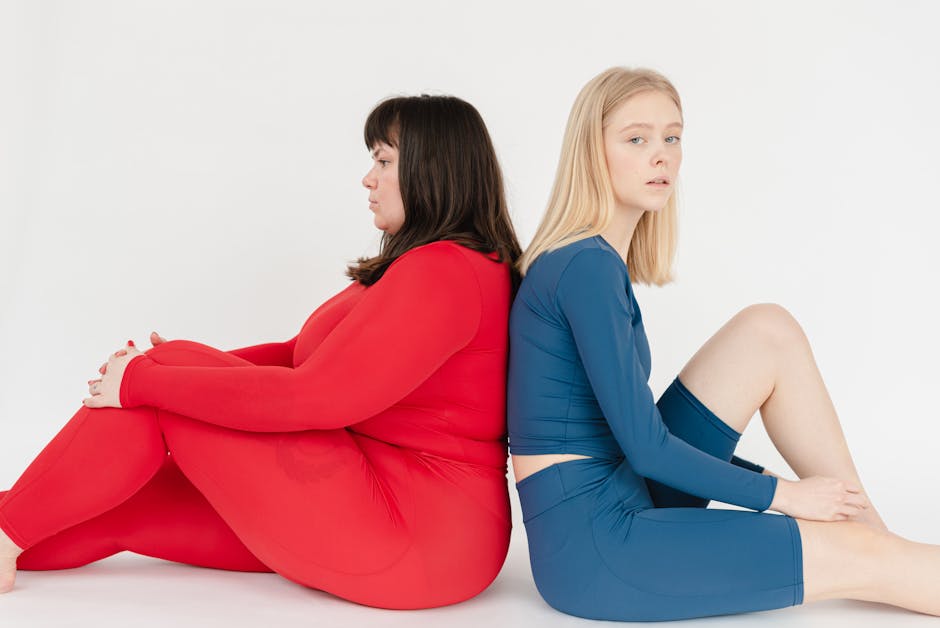
GLP-1 weight-loss drugs are shrinking the sample sizes that clothing lines are built from, but smaller tags don’t fix fit. Proportion, uneven weight loss, and body diversity remain as complicated as ever.
Sample Sizes Are Shrinking
As GLP-1 drugs have spread, brands have begun redrawing their idea of an average customer. Apparel in sizes XL and above fell by 9% between 2024 and 2025, while smaller sizes climbed. Analysts estimate more than 400 million clothing units could be misaligned by 2027, putting roughly $5 billion of plus-size inventory at risk.
That matters because the sample size is the baseline every other size gets scaled from. As it drifts smaller, a size 6 bought this year may be cut from a different template than one bought three years ago.
Sizing Down Doesn’t Solve Everything
A smaller tag does nothing for proportion, torso length, or how weight leaves a body unevenly. Rapid weight loss redistributes volume in ways no size chart anticipates, and skin laxity changes how fabric drapes even when the number holds steady.
The wider population never became uniform. Plus-size bodies appeared in just 0.6% of nearly 9,600 looks across 230 runway shows in one recent season, despite over half of American women wearing plus sizes. Lasting fit comes from knowing your own proportions, not chasing a shrinking average.