
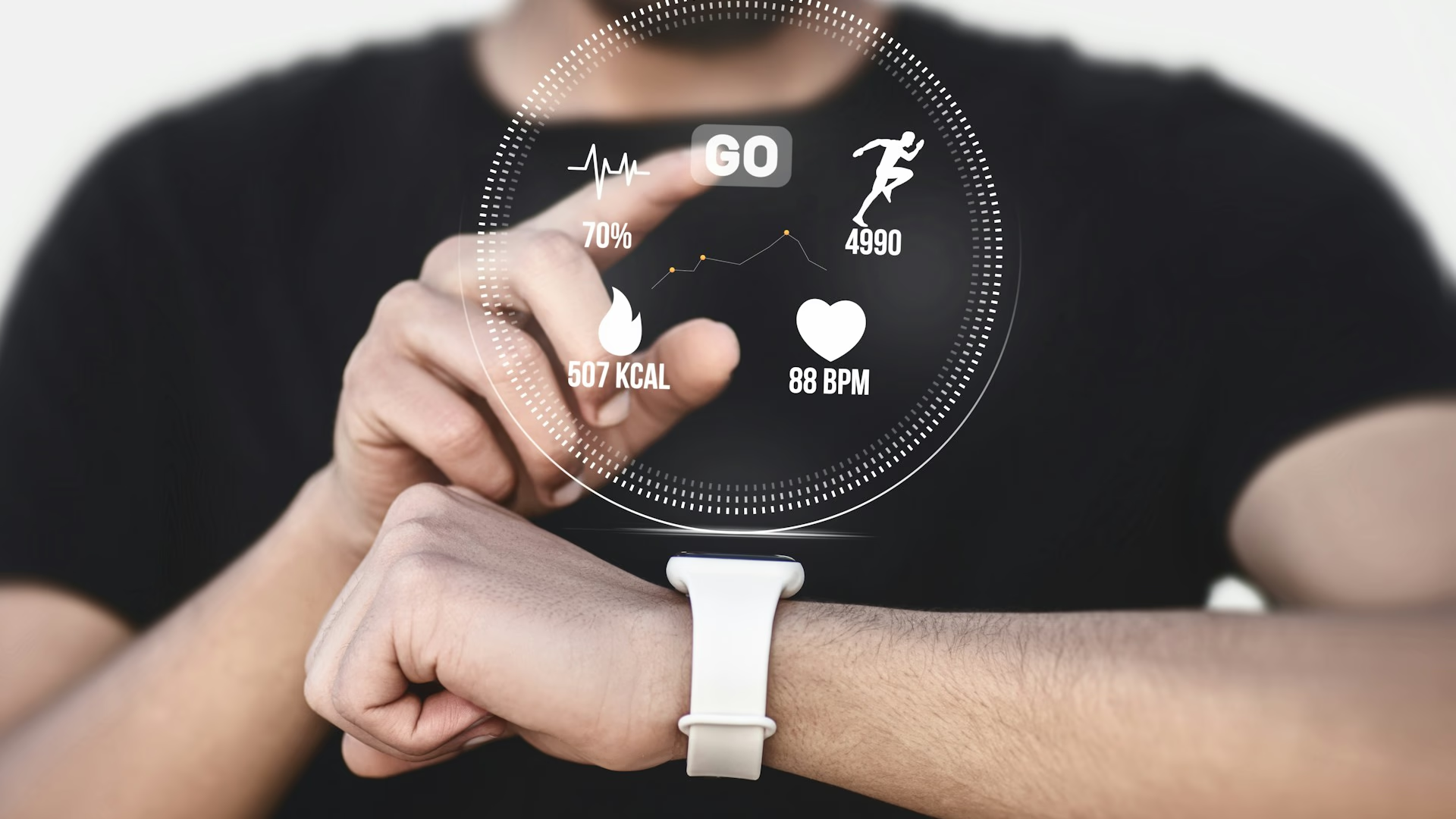
That morning readiness score feels like a medical verdict, but it is really just an educated guess built from overnight patterns. Wearables excel at boring, repeated metrics like steps and heart rate, while sleep staging and blood pressure remain far less trustworthy.
What Sensors Actually Measure
The green light on your wrist is an optical heart rate sensor. It shines light into your skin and reads how blood flow changes the reflection, never touching your heartbeat directly. Skin tone, motion, cold hands, and tattoos can all throw it off.
Sleep tracking asks even more of that thin data. A clinical sleep study wires your scalp to read brain waves directly, but your watch has no window into your brain. It estimates sleep stages from movement and heart rate, then labels the guess deep, light, or REM.
Doctors trust the simple readings and stay wary of the fancy ones. The sensor captures a narrow physical signal. Everything poetic on the screen after that is software filling in the blanks.
Where the Data Holds Up
Wearables are genuinely dependable at the boring, repeated stuff, and boring is exactly where health lives. Resting heart rate typically runs 2 to 5 beats per minute off, and step counts land within 3 to 10 percent, tight enough for everyday use.
Sleep duration estimates run within 10 to 20 minutes, and blood oxygen readings are off by about 2 to 4 percent. Cuffless blood pressure remains the outlier, called technically promising but not recommended for routine clinical use.
A resting heart rate that drifts up over a month can hint at rising stress or fading fitness in a way no single Tuesday reading ever could. Read the line, not the dot: the slope over weeks tells the story, one morning doesn’t.


