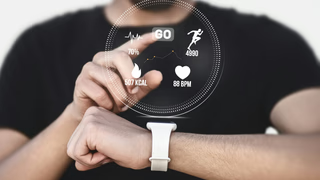
Practices meant to calm the body, from slow breathing to heart rate variability (HRV) tracking, are grouped under the label neurowellness. A trend is not the same as evidence, so it helps to know what research supports and what it does not.
What the Evidence Shows
In a 2023 randomized trial by Stanford researchers, 108 participants did one of three daily 5-minute breathing exercises or mindfulness meditation for one month. Cyclic sighing, which emphasizes prolonged exhalations, produced a larger increase in positive affect and a larger drop in respiratory rate than mindfulness meditation. Both groups had lower state anxiety, with no difference between them. The authors describe the study as exploratory.
Wearables can report HRV. In one study of 420 older stroke patients, abnormal HRV was linked to lower odds of favorable cognitive and functional scores a year later. That finding does not apply to stressed adults in general.
Implanted vagus nerve stimulation for difficult-to-treat depression showed response rates of 67.6% versus 40.9% with treatment as usual in a non-randomized 5-year registry. It is a medical treatment, not a consumer wearable.
Starting Simply
A small routine is easier to keep than an ambitious one. Five minutes of slow breathing with a long exhale each morning, attached to an existing habit, is a reasonable start. Track one simple metric, such as morning resting heart rate, and add other elements slowly.
These tools do not replace care for depression, anxiety, or PTSD. If symptoms are persistent, severe, or getting in the way of daily life, talk with a doctor or a licensed mental health professional.