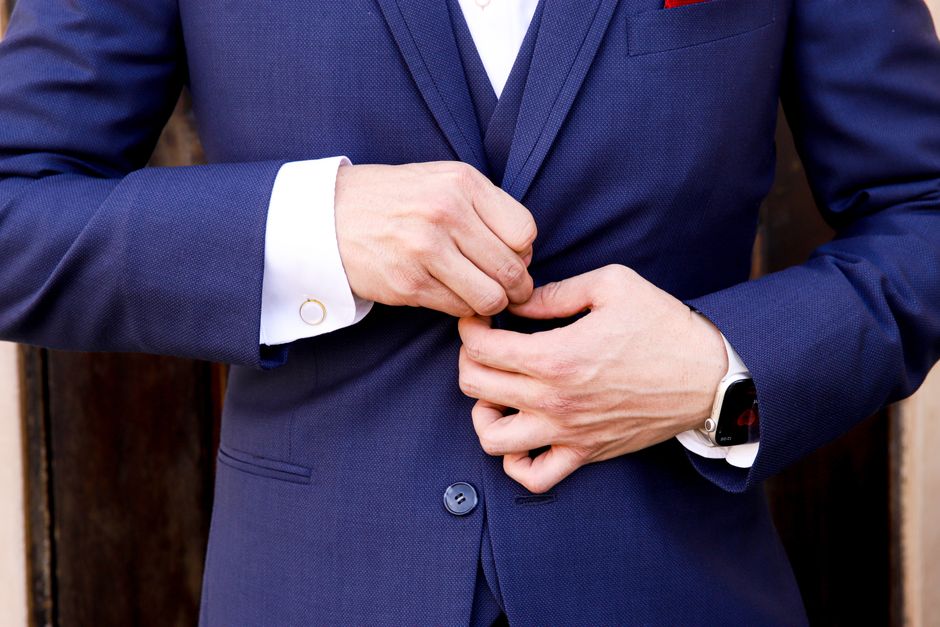

You walk into a job interview or networking event. Before you speak, people have already judged you. It happens in 100 milliseconds[1], and your clothes drive most of that snap judgment. What’s fascinating: what you wear doesn’t just change how others see you. It transforms how you see yourself, influencing your confidence, performance, and opportunities.
The Psychology Behind Clothing Perception
Your outfit triggers instant responses before you speak.
Someone’s brain processes your clothing, grooming, and posture, then activates assumptions about your competence and trustworthiness. Wearing professional attire increases perceived competence by 40%[2], the difference between landing an opportunity or getting overlooked.
 Photo by
 The impact goes deeper. Scientists discovered “enclothed cognition”, wearing certain clothes changes your psychological processes and performance. Your brain responds to the symbolic meaning of what you’re wearing. “Clothing acts as a nonverbal cue that shapes how others perceive us and how we perceive ourselves,” explains Dr. Emily Stanton, a psychologist specializing in social perception[3]. Put on formal attire, and your brain shifts modes, activating abstract thinking that improves problem-solving and strategic decisions.
This creates a two-way effect: your clothes shape how the world responds while altering your mental state. Employees who dress confidently report a 25% increase in self-esteem at work[4]. Your wardrobe is a psychological tool working from outside in and inside out.
Building Your Confidence Wardrobe
A strategic wardrobe isn’t about trends or spending a fortune.
 Photo by
 It’s about selecting pieces that align with your goals and amplify your authentic self. Start by identifying your “power pieces”, clothing items that consistently make you feel capable and genuinely yourself. Maybe it’s a blazer that makes your shoulders feel stronger, or shoes that add a confident click to your step.
Focus on quality basics that fit impeccably. Proper fit signals self-respect and attention to detail in ways expensive labels never can. Candidates dressed in formal business attire have a 58% higher chance of receiving a job offer[5], and much of that advantage comes from polish. When something fits well, it looks better and feels better, which translates directly into how you carry yourself.
Color choices matter as much as fit. Navy and black convey authority, ideal for interviews or presentations. Softer tones like blue build approachability and trust, perfect for team meetings or networking. White and cream project cleanliness and clarity. Choose colors that suit your complexion and align with the impression you want to create.
Practical Tips for Daily Success
Transforming your wardrobe’s impact requires intentional daily practices. Start with classic advice: “dress for the role you want.” Research your industry’s visual standards and aim to dress one level above your current position.
 Photo by
 A 2024 corporate case study found that employees who adopted a “dress for success” policy reported better peer interactions and leadership opportunities[6].
Plan outfits the night before. Morning rush decisions lead to grabbing whatever’s easiest rather than what’s strategic. Planning ahead ensures intentional choices and reduces mental energy drain from too many small decisions. This habit frees up mental bandwidth for more important decisions throughout your day.
Maintenance multiplies any outfit’s impact, regardless of price. Pressed clothes, polished shoes, and good grooming take a decent outfit and make it exceptional. A wrinkled shirt undermines even the most expensive suit, while a well-maintained basic outfit projects professionalism and self-respect. These details seem minor, but people notice subconsciously.
Learn to read the room and adjust. Being slightly overdressed shows respect and ambition; being drastically overdressed or underdressed undermines your credibility. Context-appropriate dressing demonstrates social intelligence, a quality that often matters more than price tags. As Dr. Michael Chen notes, “Your outfit is your first handshake with the world”[7], make sure it’s saying what you intend.
Your clothing is a powerful psychological tool operating on two levels: shaping how others perceive you while transforming how you perform. By understanding the science behind clothing perception, building a strategic wardrobe foundation, and dressing with daily intentionality, you can harness this tool for genuine confidence and success. This week, identify your three power pieces and build one complete outfit that makes you feel unstoppable. You’re not dressing for others, you’re dressing for the most confident, capable version of yourself. That version has always been there. Sometimes it just needs the right outfit to step forward.
🌞 Wellness Information: This content shares general ideas to support your mental and physical wellbeing. Results may vary, and if you experience persistent emotional or mental difficulties, please seek professional help. Take what resonates with you and use it gently in your daily life.


