You walk into a networking event, and before you say hello, people have already judged your competence, approachability, and social status. It happens in seven seconds[1], your clothing does all the talking.
Your wardrobe is a powerful communication tool. Every choice, from shirt color to fit, broadcasts who you are and what you value. Once you understand the psychology behind these snap judgments, you can use your outfit to tell the story you want to share.
The Psychology Behind Clothing Judgments
Your outfit works both ways.

While others size you up based on what you’re wearing, your clothes influence how you see yourself. This creates a feedback loop that shapes perception and performance.
 Photo by
 Researchers call this “enclothed cognition”, wearing certain clothes changes your psychological state and performance. In one study, people wearing lab coats showed increased attention to detail in cognitive tests compared to those in casual dress. The lab coat triggered more focused, precise thinking. It’s not just looking the part; it’s becoming it.
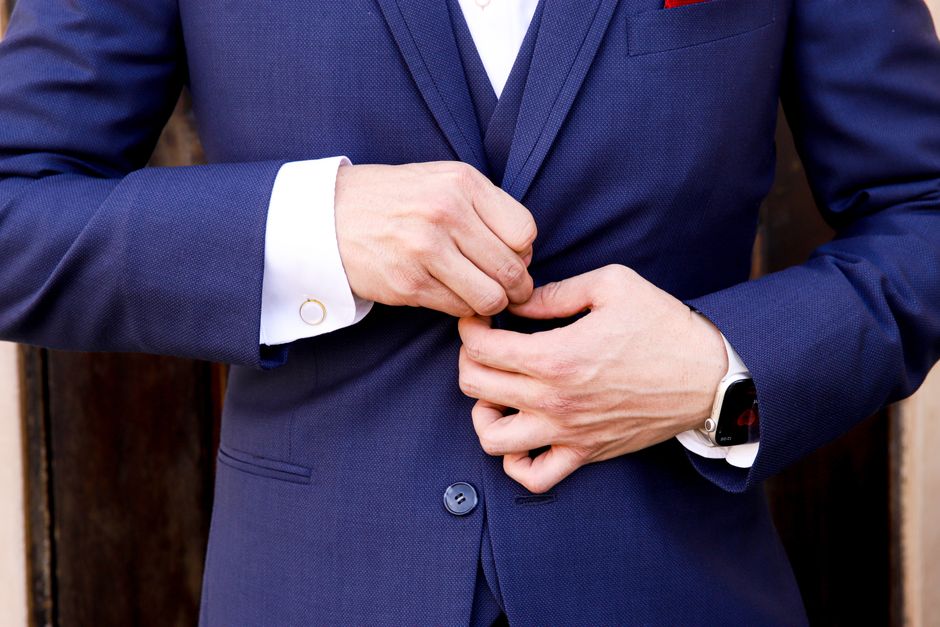
Color psychology adds another layer. Blue increases perceptions of calmness and reliability, while red signals confidence and dominance[4]. That navy suit in job interviews isn’t just professional, it’s strategically signaling trustworthiness to your interviewer’s subconscious. A red power tie or blouse suggests you’re ready to take charge.
Your outfit shapes how others see you and how you see yourself. It’s a two-way mirror reflecting confidence back at you while projecting it outward.
What Your Style Choices Actually Communicate
Different clothing styles send distinct signals.
 Photo by
 Understanding these unspoken messages helps you make strategic wardrobe decisions.
Formal business attire, tailored suits and polished shoes, signals authority, professionalism, and respect for traditional hierarchies. Employees who dress formally are 30% more likely to be perceived as competent and trustworthy by supervisors[3]. In fact, 85% of hiring managers say professional attire positively influences career advancement[2]. These aren’t opinions, they’re measurable career impacts.
Casual or creative dress suggests approachability and flexibility. Tech leaders popularized hoodies and jeans to signal innovation and rejection of corporate stuffiness. The message: “I prioritize ideas over appearances.” This communicates that you value substance and creativity over conformity.
But the details matter just as much. Attention to fit, coordination, and accessories communicates conscientiousness and self-awareness. A well-fitted outfit, formal or casual, instantly elevates how others perceive you. Poor fit undermines even the most expensive wardrobe.
Then there’s the bold-versus-neutral spectrum. Bright colors like yellow, red, and orange activate brain areas associated with energy and positive mood[7], suggesting extroversion and confidence. Neutral tones signal subtlety and focus, in corporate settings, employees wearing grey and brown report higher productivity[8]. Your color palette influences the energy you bring to a room.
Every style choice broadcasts specific personality and value signals. The question: are they the signals you want to send?
Dressing Intentionally for Your Goals
Now that you understand the psychology, let’s talk strategy.
 Photo by
 How can you dress with intention to achieve specific outcomes? Align your wardrobe choices with your objectives for each situation.
Start by matching your outfit to your environment’s dress code, then add one element that reflects your personal brand. Maybe it’s a signature accessory, a particular color palette, or a distinctive style detail. This shows respect for context while maintaining individuality, you fit in without fading into the background.
For important presentations or negotiations, choose structured silhouettes and power colors to project authority. Dark suits with contrasting accessories create visual authority while maintaining approachability. You’re not trying to intimidate, you’re establishing credibility and commanding attention.
When building relationships or fostering creative collaboration, opt for softer textures and approachable colors. There’s a reason “casual Fridays” correlate with increased cross-departmental communication. Relaxed dress codes encourage openness and break down hierarchical barriers, making it easier for people to connect authentically.
Consistency matters more than you think. Your wardrobe is a visual vocabulary that tells your story over time. When people recognize your style, they’re also recognizing your brand. Think of it as building trust through predictability, not boring sameness, but intentional coherence that makes you memorable.
Authentic style isn’t about following rigid rules. It’s about consciously choosing what you want to communicate and aligning your clothing with your goals. When these elements work together, your wardrobe becomes a strategic asset rather than just a daily decision.
Your outfit is more than fabric, it’s a communication tool that shapes perceptions, influences behavior, and impacts real outcomes. By understanding the psychology behind clothing judgments and dressing with intention, you control the message you’re sending.
Tomorrow morning, pause before getting dressed and ask: What do I want to communicate today? Confidence? Approachability? Creativity? Let your answer guide your choices. When you dress with awareness, you’re not just putting on clothes, you’re stepping into the version of yourself you want the world to see.