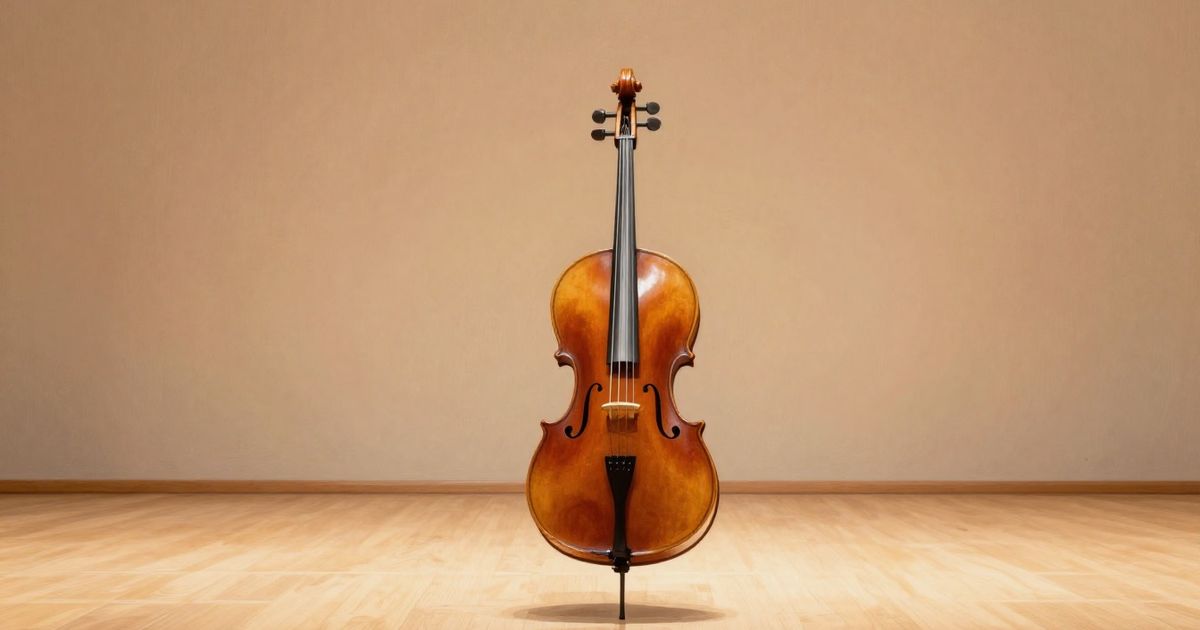

A thirteen-year-old boy is moving through a secondhand music shop in Barcelona. The year is 1890, and the shop smells the way such places always do - of paper going soft at the edges, of dust that has settled undisturbed long enough to become part of the furniture. His name is Pablo Casals, and he is not looking for anything in particular. That is precisely the condition required for finding something important.
His hand closes around a sheaf of pages. Bach’s Cello Suites. The score is unremarkable to look at - notes arranged in patterns that musicians have handled for a century and a half, glanced at, set aside. Everyone who encountered these pages before him saw the same thing: exercises. Technical drills. Material for students who needed to sharpen their bowing before moving on to music that mattered.
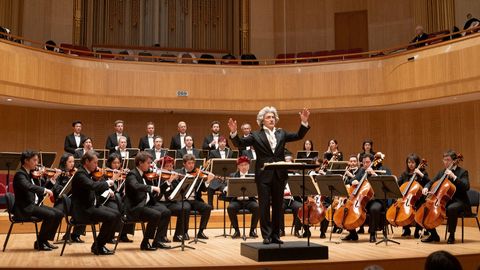
Casals took the pages home. He practiced from them every day for twelve years before he played them in public. Twelve years of working through what everyone else had dismissed as preparatory work, because somewhere in the movement of his bow across those strings, he had heard something no one else had bothered to listen for. Not a collection of exercises. A cathedral. The arpeggiated notes of the Prelude rising like vaulted ceilings. The Sarabande moving at the pace of grief, so exposed that every note vibrated with the particular vulnerability of saying something true. Six movements, six distinct rooms - and something holding them together that could not be pointed to directly, only felt.
He heard the whole when everyone else saw only parts.
The score had not changed. Two hundred years of musicians had held the same pages and heard competent instruction where Casals heard a living thing. The difference was not in the notes. It was in the willingness to listen as though the pieces already belonged to something larger than themselves.
We are, most of us, moving through our own lives the way those musicians moved through Bach’s pages - competently, practically, handling each section in isolation and setting it aside before the next one begins. The difficult month. The unexpected kindness. The years that felt like nothing in particular was happening. We evaluate each piece on its own terms, and on its own terms, much of life looks like preparation for something that hasn’t arrived yet.
The suite was always a masterpiece; it simply needed someone willing to hear it as one.Somewhere, the fragments of your life are already in arrangement. The conversation that changed how you thought. The loss that made room for something else. The long ordinary stretch that was, without your noticing, the ground on which everything grew. No single tile contains the image. But step back far enough, and hold the silence long enough after the last note, and the shape of the whole begins to show itself - curved and resonant, nothing wasted, the loneliness and the joy sitting exactly where they need to sit.