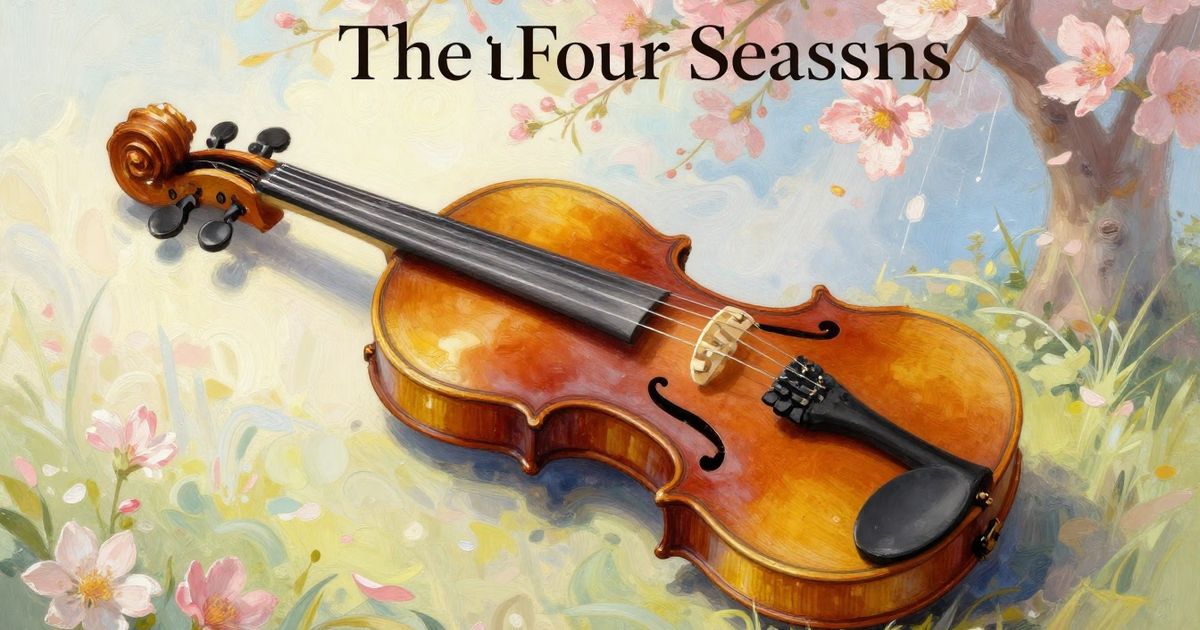

Somewhere in Venice, in 1725, a violinist drew a bow across strings and became a storm.
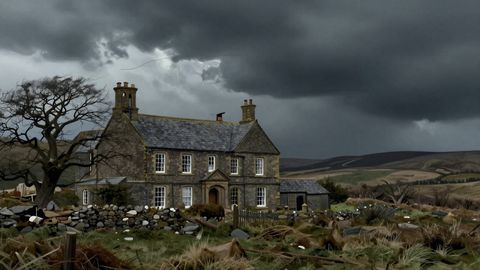
Not metaphorically. The third movement of “Summer” opens with sixty-fourth notes crashing in cascades, the entire ensemble lurching and buckling under the weight of something that sounds less like composed music and more like weather. Vivaldi had watched hailstorms move across the lagoon. He had seen the sky turn the particular green that precedes destruction. And he wrote it all down, every crack of thunder, every whip of wind, every terrified heartbeat of the young shepherd in his sonnet, huddled somewhere while the world came apart around him. The violin does not merely suggest the storm. It becomes it. You feel the pressure drop. You feel the first cold drop hit warm skin.
And then, if you have the patience to begin again from the first concerto, Spring returns. The same violin that was just gasping through rain-soaked chaos is now trilling upward like a bird calling across a garden at dawn. The rhythm bounces. The air smells green. It is almost naive in its joy, almost reckless, this opening into sweetness. Except now you have heard what comes after. Now the birdsong carries the storm inside it, quietly, the way a clear sky carries the memory of every storm that has already passed through it.
This is the moment Vivaldi hid inside the piece we play at weddings, at wine bars, in the marble lobbies of hotels where no one really listens. The storm and the birdsong. Both of them, always, at once.
We spend so much of our lives trying to stay in one season. We hoard good days, resist the turning, treat every grief as a malfunction rather than a movement in a longer piece of music we are only partway through hearing.
But the calendar inside us turns whether we agree to it or not. The warmth that felt like it would last forever tilts, almost imperceptibly, toward amber. The long difficult winter, the one we thought might simply be permanent, begins to soften at the edges. Not because we willed it. Because that is what seasons do.
The sweetness is not naive anymore. It is brave. It is the sweetness of someone who has been through winter and stepped outside anyway, knowing full well that the warmth will not last, and letting it matter precisely because of that.Vivaldi’s cycle ends with Winter and then, if you press play again, begins immediately with Spring. He did not design a conclusion. He designed a return. There is something worth sitting with in that, some quiet permission hidden inside the structure of the thing. The birds will call again. The storm is already gathering inside the bloom. Both of these are true at the same time, and the fact that they are both true is not a problem to solve. It is the whole point.