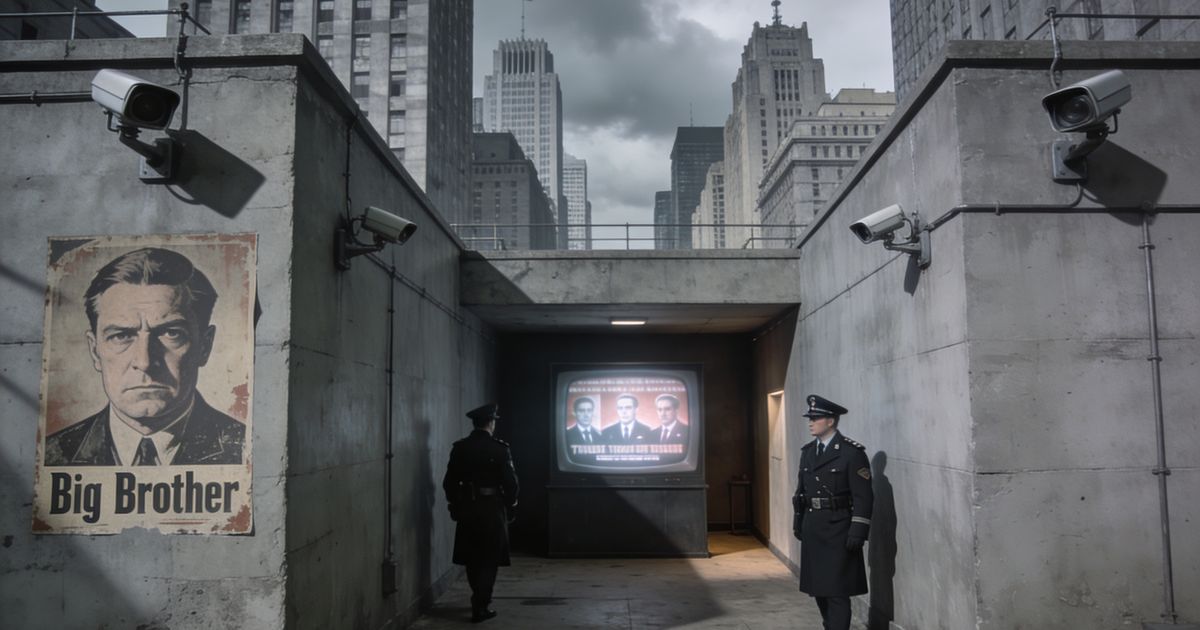

The Dust of Forgotten Words
The room is small, cramped, positioned above an antique shop in a forgotten corner of London. Sunlight filters through grimy windows, illuminating particles of dust that drift like memories refusing to settle. A man sits at a desk, his back to the telescreen, writing in a diary he knows will condemn him. The year is 1984, but it could be any year in which a person has dared to commit the dangerous act of remembering.
In 『1984』, George Orwell constructed a world where this simple scene becomes an act of revolution. Winston Smith presses pen to paper, forming words that contradict the official truth, and in doing so commits thoughtcrime. The room smells of dust and old books, of a world that once existed before the Party rewrote it. Through that window, we see a prole woman hanging laundry, singing a meaningless song manufactured by machines, her voice carrying a beauty she doesn’t recognize as her own.
The telescreen buzzes with perpetual surveillance. Victory Gin burns the throat. Razor blades are scarce, faces are gray, and the chocolate ration has been reduced from thirty grams to twenty, though the announcement claims it has been raised to twenty. Winston knows this is a lie. He remembers the thirty grams. And that memory, that stubborn insistence on what was real, marks him for destruction.
Orwell wrote this novel in 1948, reversing the digits for his title, creating a future that felt both distant and inevitable. He had watched totalitarianism consume nations, had seen how easily truth could be erased when power concentrated itself absolutely. The dust motes in Winston’s rented room are the particles of a civilization being ground down, each speck a forgotten fact, an erased person, a word that no longer exists because the dictionary has been cleansed of it.
What Lives Beneath the Surface
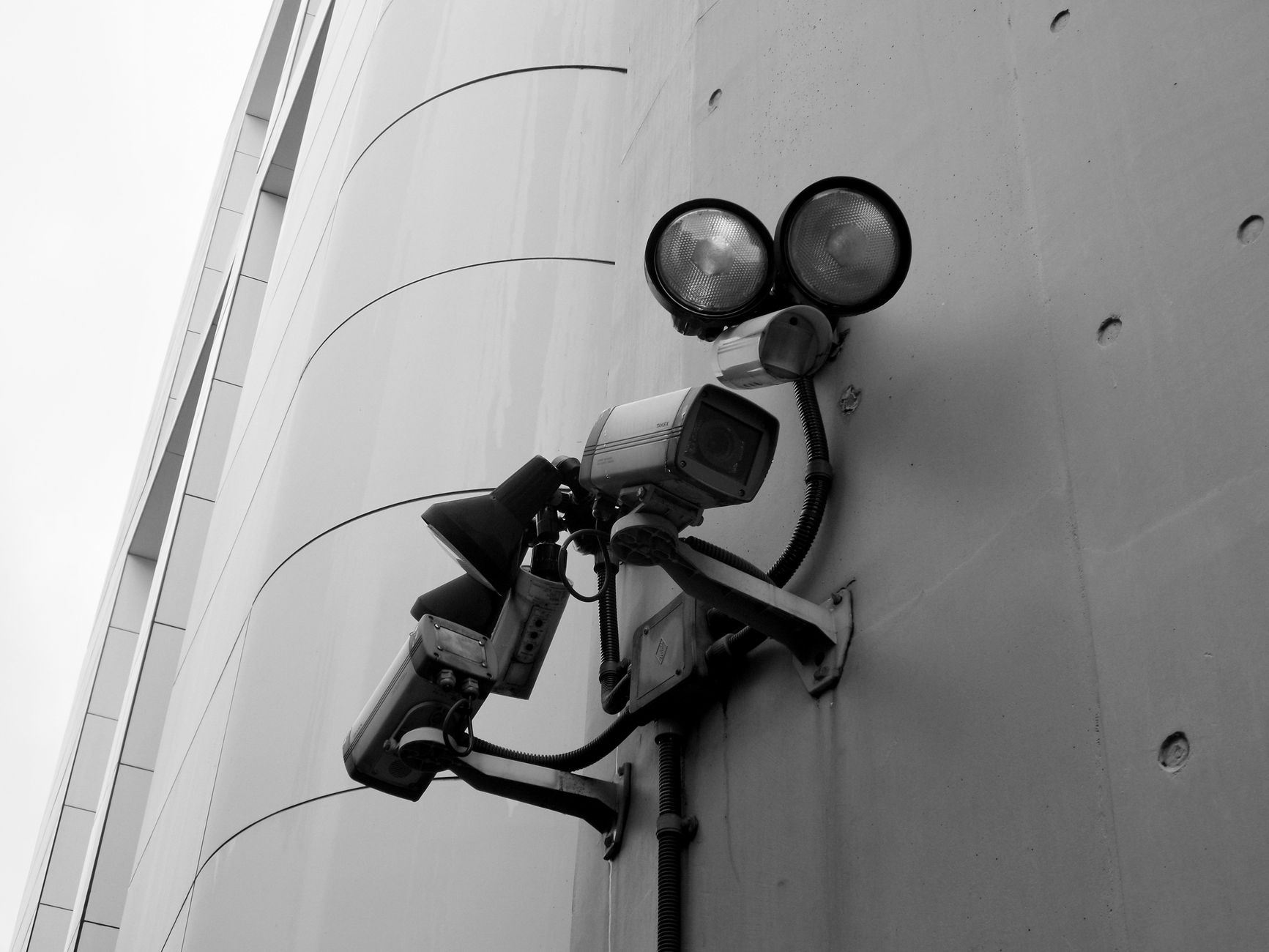 Photo by
 The Party’s slogan hangs over everything: “War is Peace. Freedom is Slavery. Ignorance is Strength.” These contradictions are not mistakes. They are the architecture of control, requiring citizens to hold two opposing ideas simultaneously and believe both completely. Orwell called this doublethink, and it is perhaps his most disturbing invention, because it describes something we recognize in ourselves.
We live in an age of unprecedented information, yet we find ourselves uncertain of the simplest facts. We scroll through feeds that show us what we already believe, curated by algorithms we cannot see. We watch footage and question whether it is real. We hear statements contradicted moments later by the same speakers, and we adjust, we adapt, we forget what was said before. Not because a Ministry of Truth forces us, but because the effort of remembering, of holding onto what we know against the tide of what we are told, exhausts us.
The telescreen in Winston’s world broadcasts propaganda and monitors loyalty. Our screens do something subtler. They offer us comfort, connection, entertainment, convenience. They ask nothing of us except our attention, our data, our gradual willingness to let others decide what matters. No one forces us to forget. We simply find it easier not to remember.
The most insidious prison is the one we build from our own comfort, brick by brick, until we no longer notice we cannot leave.Winston’s torture does not begin in Room 101. It begins the moment he accepts that perhaps the Party is right, that perhaps two plus two does equal five if the Party says so, that perhaps his memories are unreliable and the past is whatever the records say it is. His body is broken, yes, but his spirit fractures first at the point where exhaustion meets doubt. When we stop trusting our own perception, we become infinitely controllable.
Orwell understood that language itself could be weaponized. Newspeak, the official language of Oceania, is designed to narrow the range of thought by eliminating words. Without the vocabulary for rebellion, rebellion becomes unthinkable. Without words for freedom, the concept withers. We might dismiss this as fiction, yet we live in an era where words shift meaning rapidly, where yesterday’s acceptable term becomes today’s offense, where the language of discussion itself becomes a minefield. Not through government decree, but through a thousand small surrenders to the loudest voices.
The Party does not merely want obedience. It wants love. It wants Winston to look at Big Brother’s face and feel genuine adoration. This is the horror at the heart of the novel: not that tyranny demands submission, but that it demands sincerity. It is not enough to comply. You must believe.
The Mirror We Prefer Not to See
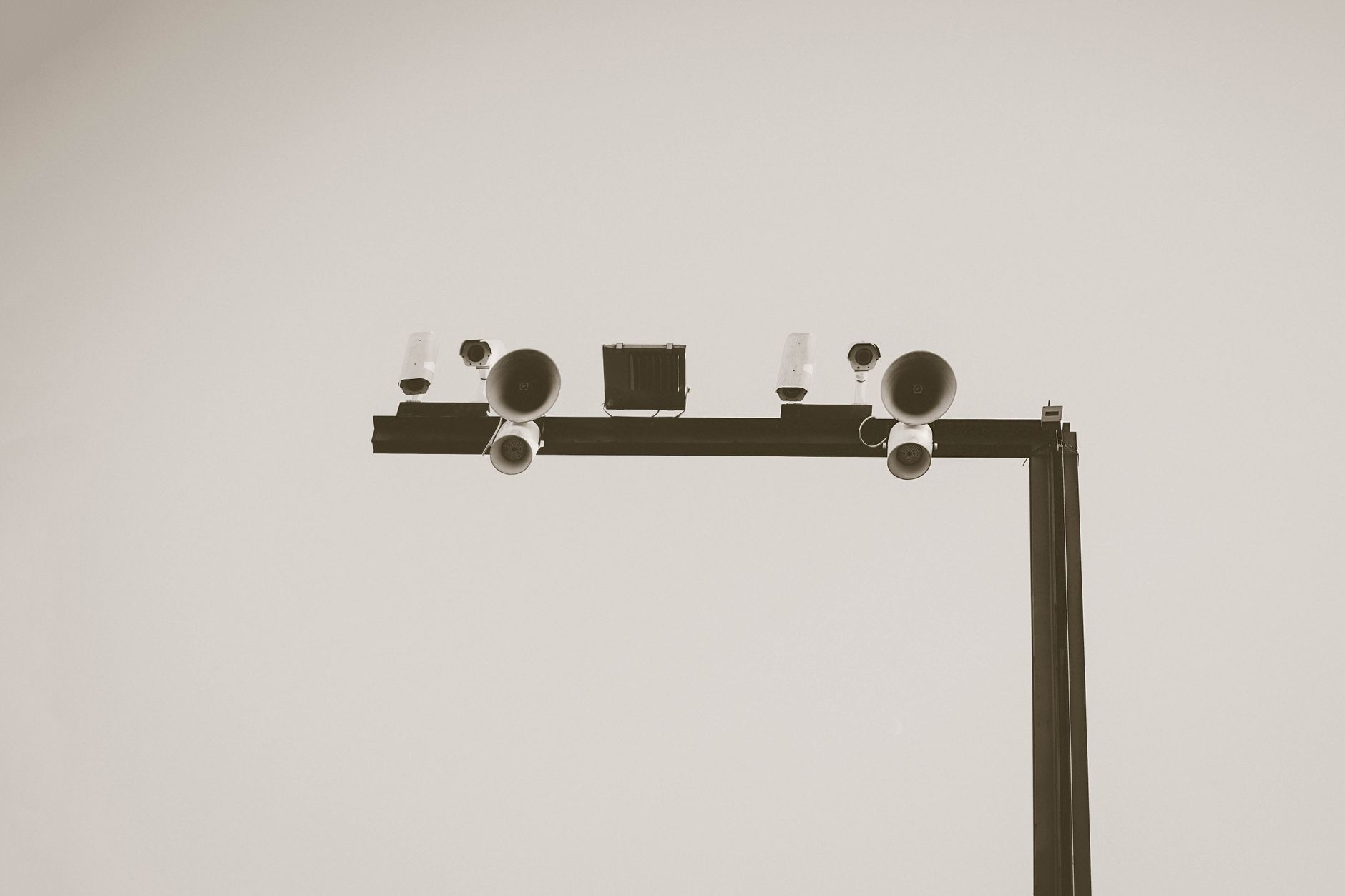 Photo by
 We are not Winston Smith. We do not live under Big Brother’s gaze. Our governments, flawed as they may be, do not vaporize citizens or rewrite historical records with such systematic thoroughness. To compare our world directly to Oceania would be to trivialize genuine suffering under actual totalitarian regimes.
And yet.
Orwell’s genius was not in predicting a specific future but in identifying patterns of human behavior that transcend any particular system. The desire to belong, even if belonging means surrendering judgment. The fear of standing alone against consensus. The quiet relief of letting someone else decide what is true. These impulses live in all of us, waiting for the right conditions to flourish.
We build our own Ministries of Truth in smaller ways. We accept comfortable lies about ourselves, about those we love, about the communities we inhabit. We practice our own forms of doublethink when we hold beliefs that contradict our actions, maintaining them in separate compartments of the mind that never quite touch. We know the planet is warming, yet we drive and fly and consume. We know inequality corrodes society, yet we participate in systems that perpetuate it. We know our attention is being harvested, yet we reach for the screen again.
The novel asks whether a person can remain human in inhuman conditions. Winston tries. He seeks connection with Julia, seeks the truth of history in forbidden books, seeks the words to articulate what he knows to be real. In the end, he fails. The Party breaks him. But the novel itself, the act of Orwell writing it and us reading it, represents a form of resistance the Party could never fully crush.
We read 1984 and recognize the warning. That recognition is itself a small act of thoughtcrime, a refusal to accept that doublethink is inevitable, that memory can be erased completely, that language can be stripped of its power to illuminate truth.
What Remains When the Lights Go Out
 Photo by
 In the final pages, Winston sits in the Chestnut Tree Café, drinking Victory Gin, tears of gratitude sliding down his face as he contemplates the image of Big Brother. He has won the victory over himself. He loves Big Brother.
It is one of the bleakest endings in literature, and Orwell offers no comfort, no last-minute redemption, no hope that Winston’s spirit survives somewhere beneath the conditioned response. The novel simply stops, leaving us alone with the question it has been asking all along.
What is the last truth you would die for? What memory would you protect with your final breath? We imagine ourselves as heroes of resistance, but Orwell suggests that heroism is not the point. The point is the daily work of remembering, the unglamorous discipline of knowing what is true and refusing to unknow it, even when unknowing would be so much easier.
Perhaps the most radical act available to us is simply this: to sit with what we know, to resist the pull of comfortable forgetting, to speak plainly even when the reward for ambiguity is greater. Not because we are brave, but because once we surrender the habit of truth, we may not remember how to find our way back.
The dust still drifts in Winston’s room. The prole woman still sings her manufactured song. And somewhere, in a rented space of our own minds, we continue writing in diaries we hope someone will read, committing the small thoughtcrimes that keep us human.
Do we still know which memories are ours?