
The Moment
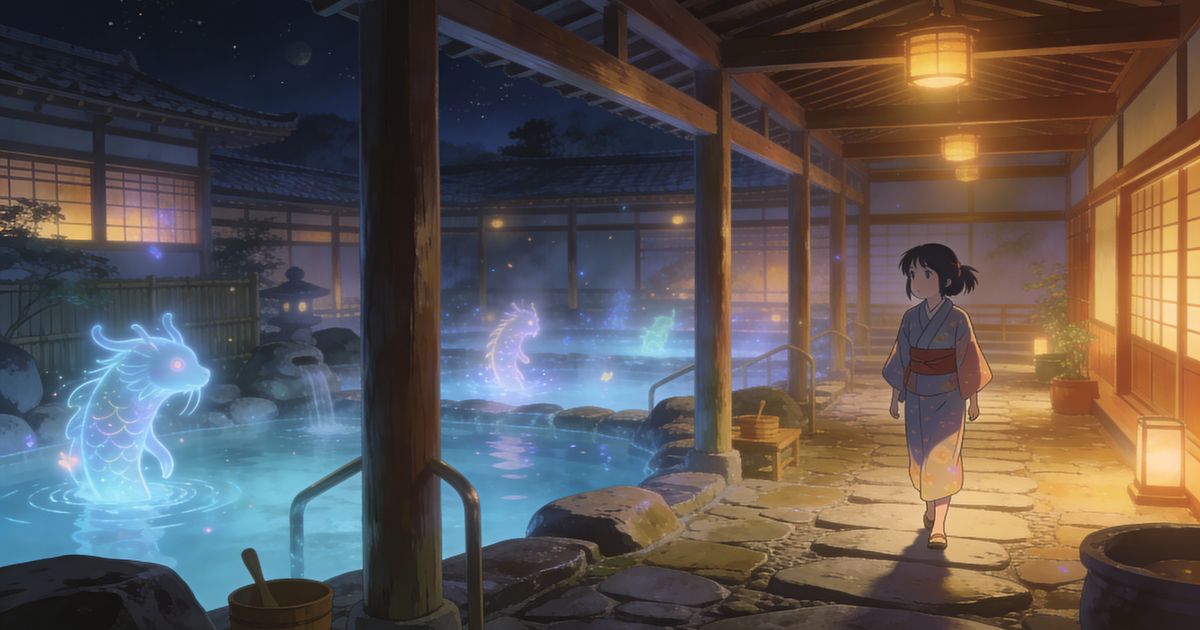
There is a spirit so polluted, so overwhelmed with the refuse of the human world, that everyone in the bathhouse flees in disgust. It arrives trailing black sludge, filling the air with a stench that makes even the other gods recoil. A stink spirit, they whisper, backing away. Something so fouled that its original form has been buried beneath layers of garbage and filth.
Chihiro, ten years old and trembling, does not run. She has been assigned this task, this impossible cleaning, and she takes a deep breath through the smell and steps forward. Her hands are small against the enormity of what she must face. The spirit settles into the largest bath, and she begins to pull at something embedded in its side.
Out comes a bicycle, rusted and bent. Then a fishing line, tangled and endless. Then shopping carts and bottles and all the careless things humans have thrown into rivers and forgotten about. She pulls and pulls, her coworkers eventually joining her, hauling this accumulated waste from the spirit’s body. The bathhouse fills with trash, years and years of it, until finally something gives way.
Underneath it all, the spirit is revealed as a great and ancient river god, its true form shimmering and clean. It offers her a gift before departing, a medicine that will later save her life. But in this moment, what strikes deepest is simpler: the god bows to her. This ancient being, finally freed, acknowledging the girl who did not look away.
The Reflection
We live in a world that celebrates dramatic gestures, the grand moments of transformation and triumph. But most of our lives are not made of such moments. They are made of small choices, repeated in the ordinary hours when no one is watching.
Chihiro saves the river god not with magic or strength, but with the unglamorous work of cleaning, of caring, of attending to what others have found too disgusting to touch. She does what needs doing because someone must, because turning away feels worse than facing the smell and the difficulty.
There is something here about the nature of real courage. It trembles. It wants to run. It takes a deep breath and stays anyway. It sees the污ed thing, the damaged thing, the thing everyone else has abandoned, and it asks: what if something sacred lies underneath? What if the work of restoration matters more than the work of conquest?
We carry this choice with us always. In the relationships we tend when they become difficult. In the parts of ourselves we have buried under years of survival. In the quiet labor of remaining kind in systems built for indifference. The question is not whether we will face pollution, our own or the world’s. The question is whether we will have the courage to pull at what is lodged there, to believe that something worth saving might be waiting beneath.