You wake up to an alarm, scroll through notifications, and feel behind before breakfast. Sound familiar? Here’s the twist: the technology creating that overwhelm can solve it.
AI isn’t just powering self-driving cars anymore. It’s changing how millions manage their mornings, tackle work projects, and wind down at night. With a growing majority of people now using AI regularly, this isn’t futuristic fantasy, it’s your neighbor’s secret weapon. Whether you’re drowning in emails or curious about making life easier, AI tools can transform your daily chaos into clarity.
The AI Revolution in Your Pocket
Let’s clear up a misconception: AI isn’t reserved for Silicon Valley engineers. The revolution’s already in your smartphone, email inbox, and car’s navigation system.

The numbers tell the story. According to industry estimates, over a billion people worldwide have used AI tools, with hundreds of millions using them regularly. Even more striking? Surveys suggest a large majority of AI users increased their usage in the past year. This isn’t a trend, it’s a fundamental shift in how we approach daily tasks.
What changed? Accessibility. Today’s AI tools need zero coding knowledge. They speak your language, literally. Voice assistants understand context, writing helpers adapt to your style, and recommendation systems learn your preferences without you lifting a finger.
The barrier collapsed, and the benefits are measurable. According to vendor reports, workers can see a 10-25% productivity improvement on specific tasks using AI tools, which translates to meaningful time savings for focused activities. That’s not just efficiency, it’s getting your life back.
Morning Optimization: Start Your Day Smarter
Instead of frantically checking three apps while burning toast, your AI assistant briefs you on weather, traffic delays, and priorities, all while you’re brushing your teeth.
 Photo by
 This isn’t science fiction. It’s Tuesday morning for millions.
Voice assistants like Google Assistant or Alexa create hands-free morning routines that eliminate decision fatigue. Ask about your calendar while making coffee, or get traffic updates while getting dressed. The magic isn’t convenience, it’s reclaiming 15-20 minutes of focused attention that would otherwise fragment across screens.
Smart scheduling tools learn your energy patterns. They automatically block focus time when you’re most productive and suggest meeting times when you’re naturally collaborative. Your calendar becomes a personalized productivity coach, not just a digital appointment book.
Personalized news aggregators complete the transformation. Instead of doomscrolling through endless feeds, AI curators deliver only relevant updates in five minutes. You stay informed without the information overload that derails your morning momentum.
Workplace Productivity: AI as Your Co-Pilot
This is where AI shines: handling tedious tasks that drain your creative energy.
 Photo by
 Think of AI as the ultimate co-pilot, it doesn’t replace you, but handles routine navigation while you focus on the destination.
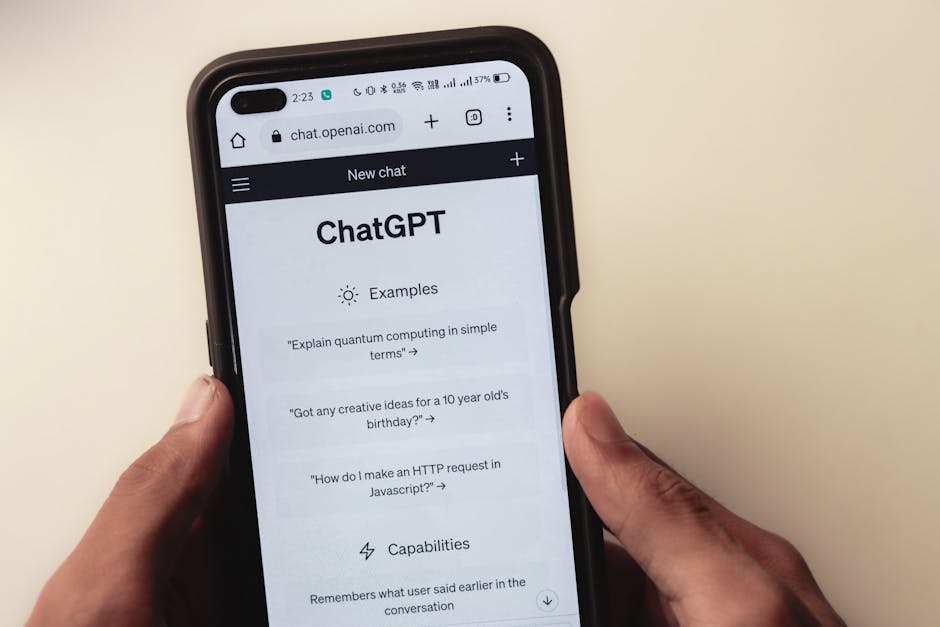
Email consumes hours of professional life, but AI writing assistants like ChatGPT or Grammarly draft responses, polish your tone, and catch errors in seconds. What once took 30 minutes now takes five. That’s strategic energy management that frees you for higher-value work.
Meetings are another time sink, but AI transcription tools like Otter.ai or Zoom’s AI Companion transform them completely. These tools capture conversations with 93-94% accuracy, generate smart summaries, and track action items automatically. You can actually participate in discussions instead of frantically scribbling notes. One user noted, “The AI Companion can now handle tasks like creating summaries, documents, and even short video clips for me”.
AI project management tools predict bottlenecks before they derail timelines. They analyze patterns, suggest resource adjustments, and help teams stay aligned without constant check-ins. Organizations using these tools see reduced operational costs by 20-30% and increased output by 10-15%. That’s real time and money saved.
Learning and Wellness: Your Personal AI Coach
AI’s personalization power extends into personal growth and health.
 Photo by
 Language learning apps like Duolingo adjust difficulty based on your performance, creating a custom curriculum that adapts in real-time. Struggling with verb conjugations? The AI notices and provides extra practice. Mastering vocabulary? It accelerates to keep you challenged.
AI tutors and chatbots like Pi offer conversational learning for everything from coding to philosophy. Instead of searching through dozens of articles, you ask questions and get instant, tailored explanations. It’s like having a patient teacher available 24/7.
Wearable devices don’t just count steps, they analyze sleep cycles, predict optimal bedtimes, and suggest recovery strategies based on your biometric patterns. AI fitness coaches adjust workout intensity in real-time, responding to your heart rate and fatigue levels to maximize results while preventing injury.
Meditation apps use AI to recommend session lengths matching your current stress levels. The technology learns what works for you, creating a personalized wellness strategy that evolves with your needs. This isn’t generic advice, it’s precision health guidance based on your unique data.
Evening Wind-Down: Reclaim Your Rest
The workday doesn’t end just because you leave the office, unless you create intentional boundaries.
 Photo by
 AI helps build those crucial separations between productivity and rest.
Smart home systems gradually adjust lighting and temperature as evening approaches, signaling your body’s natural sleep preparation. These environmental cues work with your biology, not against it. AI screen time managers gently limit device usage, reducing blue light exposure that disrupts sleep quality.
Content recommendation systems become smarter about time of day, suggesting calming podcasts or relaxing videos instead of stimulating content when bedtime approaches. The goal isn’t controlling your choices, it’s supporting healthier defaults that align with your wellbeing.
This matters more than you think. Research shows employees with good work-life balance report 21% higher productivity and are 10% more likely to stay with employers. AI tools that enable this balance deliver returns far beyond immediate time savings, they prevent burnout and sustain long-term performance.
Getting Started: Your AI Integration Roadmap
 Photo by
 Feeling overwhelmed by possibilities? Start small. The biggest mistake people make is trying to adopt ten AI tools simultaneously, then abandoning all of them within a week.
Begin with one free tool, ChatGPT for writing assistance, Google Assistant for morning routines, or a simple meditation app with AI features. Use it consistently for 2-3 weeks before adding anything else. This gradual approach leads to three times higher long-term adoption rates because you build genuine habits instead of temporary experiments.
Master that first tool completely. Learn its shortcuts, discover hidden features, and integrate it into your actual routine, not just when you remember. Once it feels natural, document the benefits. How much time did you save? What tasks became easier? This tracking reinforces positive habits and helps you identify which AI tool to add next.
Expand strategically based on your biggest pain points. Drowning in meetings? Add a transcription tool. Struggling with fitness consistency? Try an AI workout coach. Let your needs guide your toolkit, not hype or trends.
Here’s the key: AI works best as an amplifier of your intentions, not a replacement for them. The technology handles routine tasks so you can focus on creativity, strategy, and human connection, the things that actually move your life forward.
The AI transformation of daily life isn’t coming, it’s already here, quietly improving routines for nearly two billion people worldwide. The difference between feeling overwhelmed by technology and empowered by it comes down to intentional integration.
Start with one tool that addresses your biggest daily frustration. Give it two weeks of consistent use. Track the time saved and quality improvements. Then expand thoughtfully based on results, not novelty.
Your routine doesn’t need a complete overhaul, it needs strategic optimization. AI provides that precision, one improved morning, productive workday, and restful evening at a time. The future isn’t about AI replacing your routine. It’s about AI amplifying your best self, starting today.