Riiven Wild
The Reefs That Clean an Estuary by Filtering It
In Harris Creek, Maryland, restored eastern oysters move the whole creek's water through their gills about once every ten days in summer.
The Scene
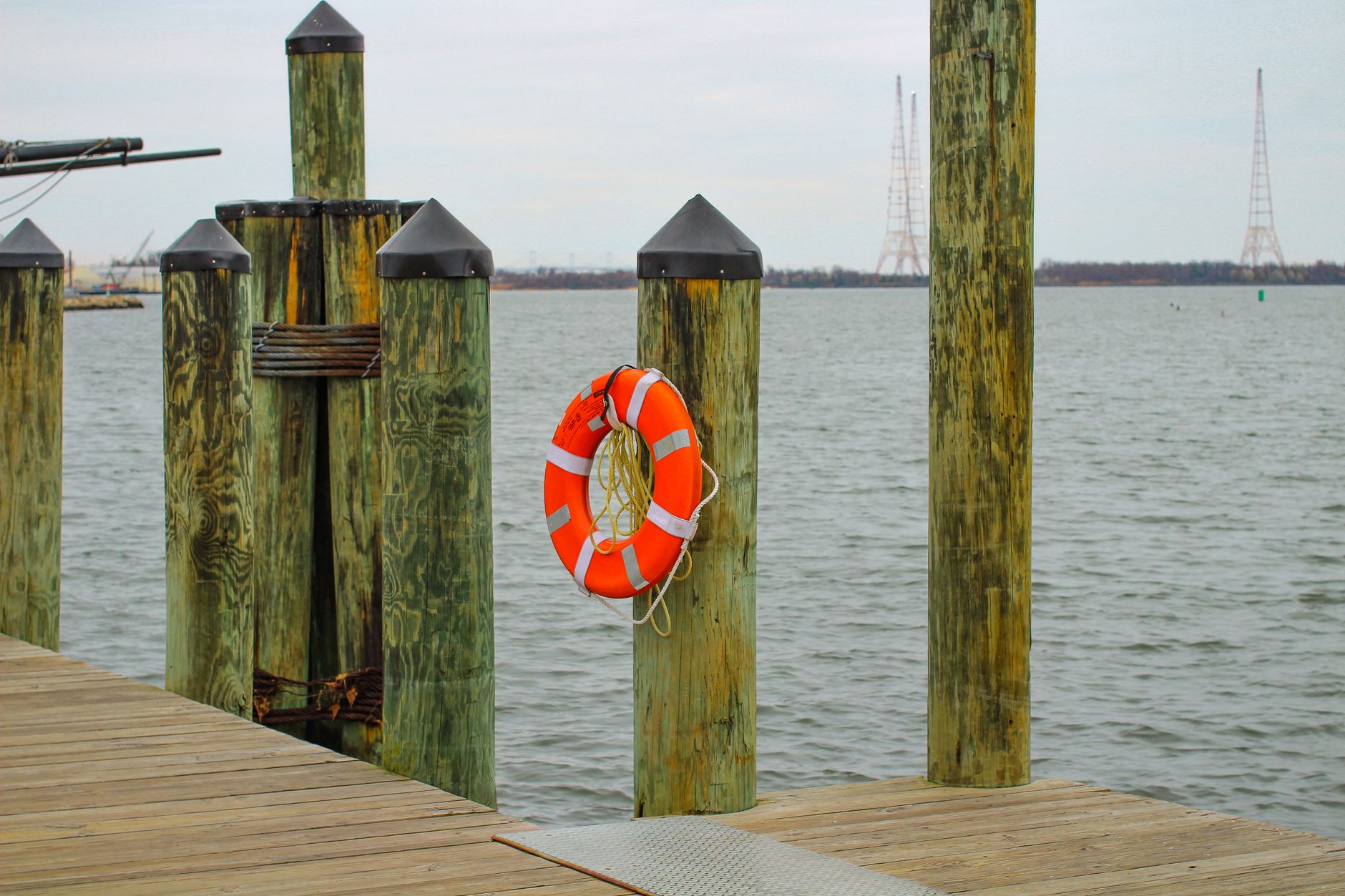
Low tide in Harris Creek, a tributary off the Choptank River on Maryland's Eastern Shore. The water is the color of weak tea. Below the surface, on reefs built of shell and stone, eastern oysters sit with their shells slightly parted, drawing water in along one edge and pushing it out along another. A boat wake passes, the shells clap shut, and a minute later they open again. State and federal crews have been coming back to this creek for years with quadrats and dredges, counting oysters per square meter, weighing them, logging the same reefs season after season to see whether the animals hold. The 2024 Maryland Oyster Reef Monitoring Report is one of those returns, written up.
The Creature
The eastern oyster, Crassostrea virginica, is a bivalve, an animal with two hinged shells and no interest in going anywhere once it settles. A larva swims for a few weeks, finds hard bottom (ideally another oyster's shell), cements itself down, and stays. From then on it eats by pumping. Cilia, the microscopic beating hairs lining its gills, pull water across a mucus-covered surface that traps algae and suspended particles. Edible material goes to the mouth. The rest is bound into pellets and dropped to the bottom. Because oysters stack on each other, the settled ones become the substrate for the next generation, and a reef rises. Gedan, Kellogg, and Breitburg made the case in 2014 that restoration accounting should treat the reef structure as its own benefit, distinct from filtration: the reef is habitat, not just a pile of filter feeders.

How It Works
The filtration rate is measurable per animal. A market-sized eastern oyster can filter approximately 6.8 liters of water per hour, or up to 163 liters per day during summer at 20 degrees Celsius. Multiply that across a restored reef system and the unit changes from liters to creek volumes. In Harris Creek, restored oyster reefs were estimated to filter the creek's entire water volume about once every 10 days during summer, and to potentially remove 1 million pounds of nitrogen over 10 years. The nitrogen removal is indirect. Oysters do not destroy nitrogen; they concentrate algae into tissue and into pellets that sink, where bacteria in the sediment can convert nitrate to nitrogen gas. What happens close to the animals is more mixed. In a field study at one commercial oyster farm in the middle Chesapeake Bay, oyster aquaculture was associated with a 19.4 percent reduction in downstream chlorophyll-a, while total ammonia nitrogen increased by 78.4 percent. Turner, Kellogg, Massey, and Friedrichs titled their 2019 paper on aquaculture and local water quality "Minimal effects."
Watch
The Ripple
Once a reef holds, the filtering is only part of what changes. The vertical structure gives mud crabs, gobies, and blennies places to hide, and the interstitial spaces between shells collect small invertebrates that striped bass and white perch come to eat. Gedan, Kellogg, and Breitburg pointed out that oysters rarely arrive alone: marsh grasses and other foundation species, organisms whose physical presence creates the conditions others live in, often occur alongside restored reefs, and counting only the oysters undercounts the result. Less chlorophyll-a in the water column means more light reaching the bottom, which matters to submerged grasses. The pellets dropping from the reef feed sediment bacteria and worms. Restoration at Bay scale has been substantial: in 2020, NOAA and partners restored more than 85 acres of oyster reef and planted nearly 164 million juvenile oysters in Maryland and Virginia, bringing the cumulative total to nearly 5 billion juvenile oysters across 1,095 acres.
Why It Matters
The animals have to survive for any of it to count, which is why the monitoring reports matter more than the planting numbers. A 2024 Maryland monitoring report found that all 13 monitored six-year-old reefs, covering 87 acres, met minimum and target oyster-density and biomass criteria. That is oysters still alive and still pumping six years after placement. In Harris Creek the filtering rate is a property of the standing population, recounted each season, not a promise made when the shell went overboard.
Sources
- Ray, Li, Kangas, and Terlizzi, Water quality upstream and downstream of a commercial oyster aquaculture facility in Chesapeake Bay, USA, Aquacultural Engineering, 2015 (2015) · study
- Turner, Kellogg, Massey, and Friedrichs, Minimal effects of oyster aquaculture on local water quality, 2019 (2019) · study
- Minimal effects of oyster aquaculture on local water quality (2019) · study
- NOAA Fisheries, Significant Progress for Chesapeake Bay Oyster Reef Restoration, 2021 (2021) · study
- Gedan, Kellogg, and Breitburg, Accounting for Multiple Foundation Species in Oyster Reef Restoration Benefits, 2014 (2014) · context
- Maryland Department of Natural Resources and Chesapeake Bay Program, 2024 Maryland Oyster Reef Monitoring Report, 2024 (2024) · context


