Riiven Slants
The Seven-Day Week
A pulse we kept beating long after we forgot whose idea it was.
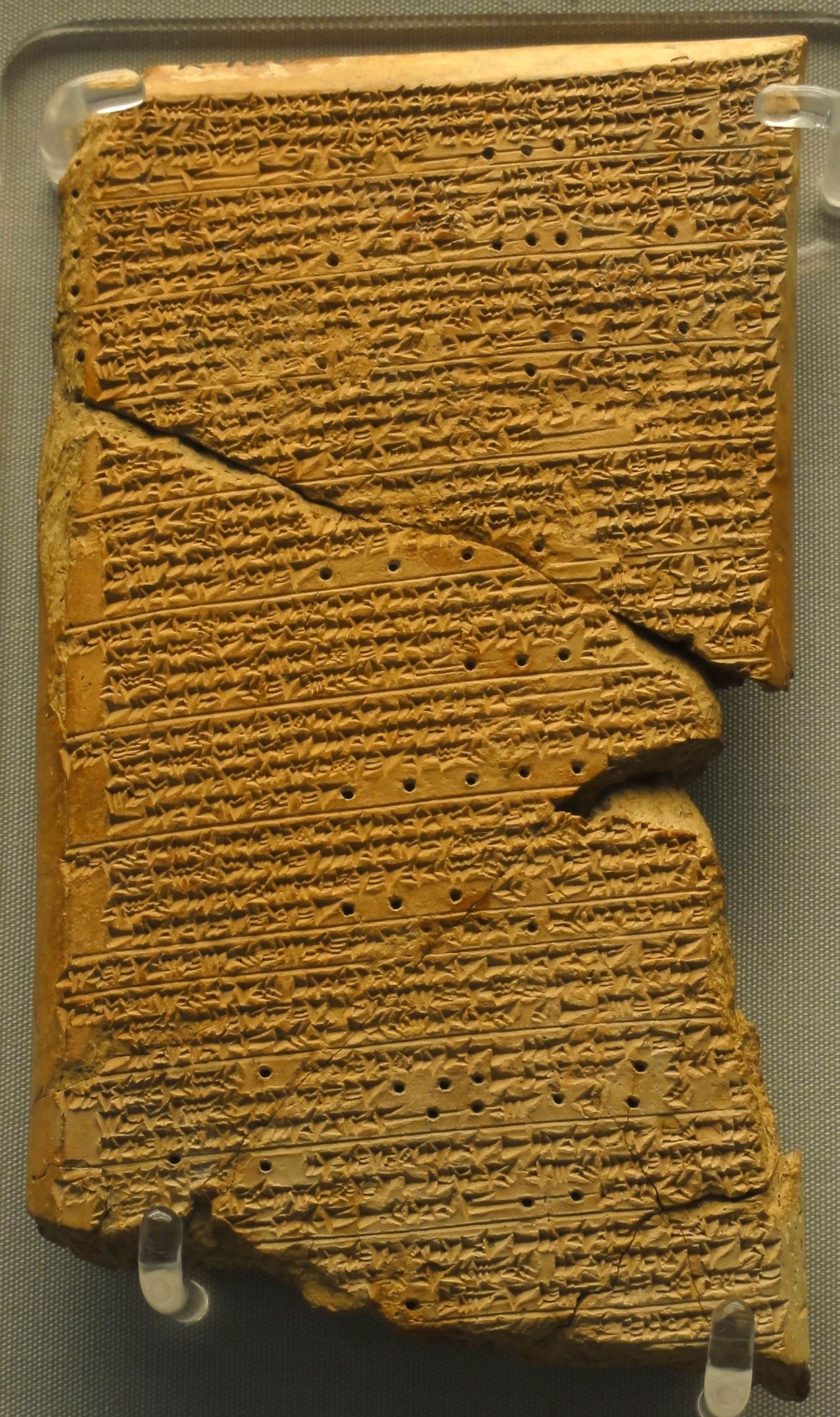
The week is a ghost. Every other unit of time has a referent. A day is one rotation. A month is roughly one moon. A year is one orbit. Seven days is exactly nothing in the sky.
The number came from Babylon. Their priests watched seven moving lights in the sky: the sun, the moon, and the five planets visible to the eye. Saturn, Jupiter, Mars, Venus, Mercury. Each got its day. Saturn-day, Sun-day, Moon-day. Your week still carries those gods in its names.
The Jews carried the seven-day rhythm into the Bible. The Romans inherited it twice, from the East and from Christianity, and made it official in 321 CE. After that the week stopped needing reasons. It just was. People stopped noticing it was someone's specific calendar.
The French Revolution tried to fix this. In 1793 they declared a ten-day week called the décade, three of them to a month. Their argument was clean: ten is rational, seven is medieval superstition. The new week lasted twelve years. People hated working nine days in a row, and the church refused to move Sunday.
The Soviets tried again in 1929. A five-day week with no shared weekend, so factories could run continuously. They printed colored calendars so every worker knew which day was theirs to rest. Families could not share meals. Stalin killed the five-day version after two years and gave up on the whole idea in 1940.
Seven days has no biological referent, no agricultural one, no astronomical one. The number is a Babylonian guess about which lights in the sky mattered, and it has organized your dentist appointment, your salary cycle, and the word 'weekend' itself.
Watch
The tilt
Babylon's astrology is gone. Babylon's week still runs your calendar.
Sources
- Eviatar Zerubavel, The Seven Day Circle: The History and Meaning of the Week (University of Chicago Press) (1985)
- Sanja Perovic, The Calendar in Revolutionary France (Cambridge University Press) (2012)


