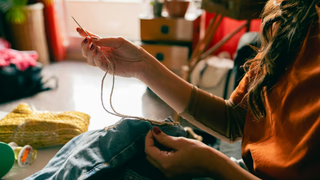
A new generation of designers is turning ancestral craft traditions into globally recognized fashion, and the numbers back it up. The global handicrafts market surpassed USD 1,107 billion in 2024, driven not by nostalgia but by young creatives bridging heritage techniques and contemporary style. This shift is redefining what luxury, sustainability, and innovation mean in fashion.
Craft Techniques Driving Design Innovation
Traditional techniques are not limiting designers. They are acting as creative engines. Adire indigo dyeing from Nigeria uses fermented plant-based vats, producing near-zero chemical runoff, and sustainable fashion labs are now studying it as a model. Aso-oke strip-weaving, championed by designers like Kenneth Ize, engineers structured bodices that need no internal boning or synthetic support. Macrame and crochet traditions from Latin America and West Africa are informing three-dimensional garment construction that challenges conventional silhouette building.
The innovation extends beyond individual garments. Young designers are co-developing hybrid materials by pairing heritage weaves with modern fibers, creating fabrics unavailable through conventional supply chains. Collaborations between fashion graduates and rural weaving cooperatives in India and Ghana have produced new fabric prototypes that merge texture, proportion, and sustainability in ways industrial mills cannot replicate. Over 22% of consumers worldwide now actively seek sustainable handicrafts, confirming strong market appetite for this direction.
A Cultural Shift Reshaping Fashion
Fashion’s power map is being redrawn. Major fashion weeks in Lagos, Seoul, and Mumbai are gaining international prestige, platforming designers who center non-Western craft traditions. Younger consumers, particularly Gen Z, want to know whose hands shaped the fabric and which community benefits from the purchase.
LVMH’s Metiers d’Art program and Kering’s craft partnerships have both expanded to include non-Western artisan traditions, signaling that this shift carries institutional weight, not just social media momentum. Heritage-rooted design is becoming a genuine marker of prestige, available at price points from accessible to aspirational.