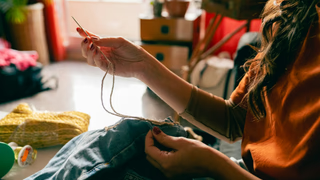
When Sarah’s vintage toaster stopped working last spring, she faced a choice that felt oddly significant. She could toss it and grab a new one for fifteen dollars, or she could try something different. She chose repair, spending an afternoon with YouTube tutorials and a borrowed screwdriver. What started as a simple fix became something more: a quiet revelation about how we relate to the things we own.
Sarah isn’t alone. Across the globe, people are rediscovering the satisfaction of mending what’s broken. This growing repair culture is transforming how we think about our possessions, challenging throwaway habits while building community resilience and environmental responsibility.
The Broken Toaster Revelation
There’s something powerful about holding a broken object and choosing not to throw it away.

The average household discards five to seven repairable items every year. Globally, this adds up to over fifty million tons of electronic waste.
The real cost extends beyond landfills. Every replacement contributes to a product’s carbon footprint. Repairing products avoids most of these emissions by eliminating the need for new manufacturing and shipping. Extending a device’s useful life by just five years substantially lowers its environmental impact, since most embodied carbon is created during manufacturing, not use.
But something unexpected happens when we choose repair. Studies suggest that fixed items gain emotional significance. People report feeling more connected to belongings they’ve personally mended. That toaster Sarah saved? It now holds a story. It represents patience, learning, and a small act of defiance against disposability.
In 2024, 56% of people reported fixing or repairing a product rather than replacing it. Breaking the auto-replace habit often starts with just one intentional decision.
Communities Building Repair Movements
What begins as a personal choice quickly becomes collective action.
 Photo by
 Over 2,500 Repair Cafés now operate worldwide, offering free repair help and teaching practical skills to thousands of visitors each month. These aren’t just workshops. They’re neighborhood gathering spots where strangers become friends over soldering irons and sewing machines.
Digital spaces amplify this momentum. Online platforms like iFixit provide free repair guides, empowering DIY fixers with step-by-step instructions for over 80,000 devices. Suddenly, fixing a cracked phone screen or a malfunctioning washing machine feels achievable, not intimidating.
These grassroots efforts are also driving policy change. The right to repair movement is gaining momentum as consumers and policymakers push for greater product longevity. Dozens of states have introduced right-to-repair legislation, demanding that manufacturers provide access to parts, tools, and documentation.
Many discarded devices still contain useful metals and components that can be refurbished, reused, or recycled instead of being scrapped. Repair communities are transforming isolated consumers into skilled, connected citizens who understand this value.
Tomorrow’s Mending Mindset
The repair movement is evolving from niche activism into mainstream practice.
 Photo by
 Major brands are responding to consumer demand for longevity over planned obsolescence. Patagonia’s Worn Wear program repairs over 100,000 items yearly. Apple has expanded self-repair options. Even fast-fashion companies are experimenting with mending services.
Education systems are catching up too. Schools are beginning to integrate repair skills into curricula, teaching younger generations that fixing things is valuable, creative, and environmentally important. These programs report increased student problem-solving abilities alongside growing environmental awareness.
Organizations are also recognizing the practical benefits. By maintaining devices, they can avoid costly replacements and reduce downtime, since repairs are often faster than implementing new equipment. Refurbished units commonly cost 30 to 50 percent less than brand-new replacements.
This cultural shift promises lasting impact. Repair culture is becoming the new normal, not the alternative.
Repair culture offers more than environmental benefits. It rebuilds our connection to objects, communities, and sustainable living. From personal revelations sparked by a broken toaster to policy shifts reshaping entire industries, mending is quietly transforming modern life.
You might consider finding a local Repair Café, watching one repair tutorial, or fixing one broken item this month. Every repair is a small rebellion against disposability and a vote for a more mindful future.