Picture this: You’re sitting in a coffee shop, scrolling through your phone, half-listening to a podcast about productivity hacks. Around you, strangers do the same. Everyone’s optimizing, nobody’s connecting. Sound familiar?
While you were planning 2025 resolutions, the world quietly shifted. Wellness became communal. Shopping got radically transparent. Screen time became the new smoking. The lifestyle trends emerging for 2026 aren’t about doing more. They’re about living intentionally through wellness evolution, conscious consumption, and meaningful digital boundaries. Let’s explore how these shifts could reshape your daily life.
Wellness Shifts Beyond Self Care
Remember when wellness meant a solo gym session and a green smoothie?
 Photo by
 That chapter’s closing. In 2026, wellness is becoming a team sport.
Group healing practices like community meditation circles and neighborhood wellness pods are replacing isolated self-improvement routines. There’s something powerful about breathing together, moving together, and healing together. Studies suggest communal wellness activities can increase adherence rates by 65% compared to going it alone. When your neighbor expects you at morning yoga, you show up.
The numbers tell a compelling story. Self-help practices have steadily risen, jumping from 12.4% in 2012 to 18.1% by 2022 [Beautymatter]. But here’s what’s different now: mental health support is becoming normalized through workplace programs and peer networks. Companies investing in collective mental health resources are seeing roughly 40% lower burnout rates among employees. The stigma is fading, replaced by genuine conversation.
Preventive care is also evolving. Wearable tech now monitors stress patterns and recovery metrics, not just steps and calories. The focus has shifted from quick fixes to long-term vitality. Wellness in 2026 means building health together, not chasing perfection alone.
Conscious Consumption Gets Transparent
Here’s a question that would’ve seemed strange a decade ago: Where exactly did your t-shirt come from?
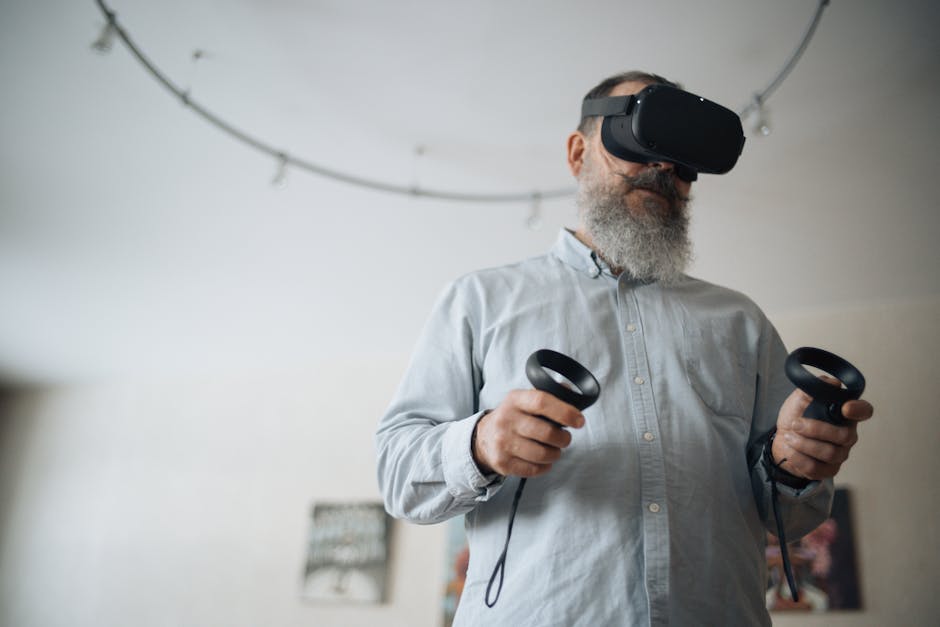 Photo by
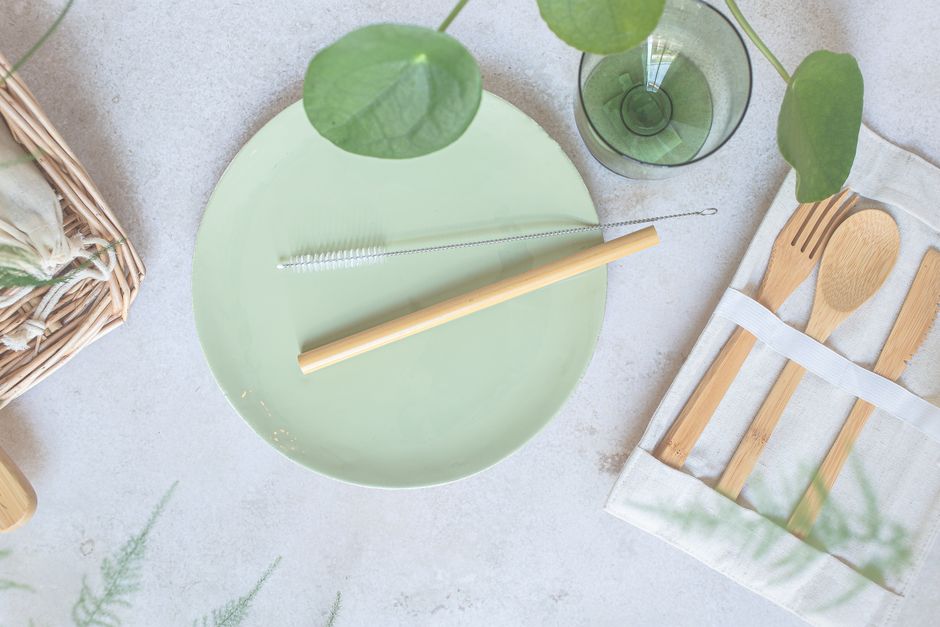
 Not the store. The actual cotton field, the factory, the hands that made it.
In 2026, consumers are demanding answers. Globally, people are becoming more intentional about buying less, but choosing pieces that reflect who they are and how they live [NIH]. There’s growing appreciation for craftsmanship, versatility, and the stories behind what we own.
This transparency revolution runs deep. Blockchain-verified product origins now allow shoppers to trace items from raw materials to retail shelf. Carbon footprint labels appear on everything from groceries to clothing. Products with clear sustainability metrics are seeing significantly higher purchase intent among conscious consumers.
70% of Gen Z and Millennials prioritize sustainable products, even at higher costs [Mamamia]. Meanwhile, there’s growing interest in improving how products are developed, with more thoughtful approaches to sustainability [NIH]. Circular economy models like repair services, buyback programs, and lifetime warranties are gaining serious traction.
Shopping in 2026 means voting with your wallet using complete information, not marketing spin.
Cultural Connection Through Digital Detox
Here’s something unexpected: the most rebellious thing you can do in 2026 is putting your phone in a drawer.
 Photo by
 Digital detox has evolved from personal challenge to cultural movement. Phone-free social spaces are popping up everywhere. Analog cafes, tech-free restaurant zones, quiet corners designed for actual conversation. Cities worldwide are experimenting with designated “quiet zones” where digital devices are discouraged during peak hours.
This isn’t about rejecting technology. It’s about reclaiming control.
Scheduled connectivity windows are replacing constant availability. “Offline hours” are becoming socially acceptable and professionally respected. Workers with defined offline periods report dramatically better work-life satisfaction. Your boss texting at 10 PM? That’s starting to feel as outdated as smoking in the office.
Analog hobbies are surging as counterbalance to screen saturation. Journaling. Board games. In-person book clubs. Even spending on live entertainment like musicals has jumped 17% [Keyt]. People are hungry for experiences that don’t require a charger.
The goal isn’t disconnection. It’s intentional connection on our own terms. 2026’s digital detox is about choosing presence over perpetual availability.
Putting It Into Practice
These trends share a common thread: intentionality over optimization.
 Photo by
 It’s less about hacking your life and more about actually living it.
The beauty is that you don’t need to overhaul everything at once. Maybe you join a local walking group instead of hitting the treadmill alone. Perhaps you research where your next purchase actually comes from. Or you simply designate one phone-free hour each evening.
Nearly a third of Gen Z already indulge in small daily luxuries [Openpr]. Tiny moments of presence and pleasure that don’t require an app or a subscription. Sometimes thriving looks less like a complete lifestyle transformation and more like a cup of tea enjoyed without distraction.
Thriving in 2026 means embracing communal wellness, demanding transparency in consumption, and setting intentional boundaries with technology. All rooted in authenticity over optimization.
Start small: join one community wellness activity, research one brand’s supply chain, or designate one phone-free hour daily. The best lifestyle trends aren’t about following what’s next. They’re about returning to what matters most.