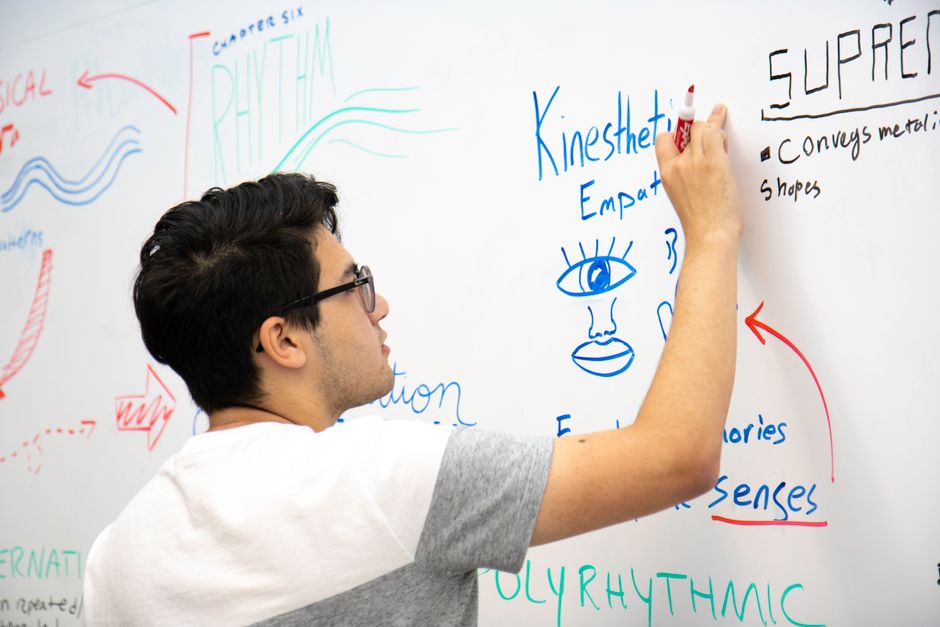


Workplace wellness programs keep growing, but burnout persists because most target the mind while ignoring what the body is holding. Dance/Movement Therapy uses guided movement to engage the nervous system directly, and the clinical evidence is becoming hard to dismiss.
What the Data Shows
The numbers behind DMT are more compelling than many expect. In a 12-week group DMT program for adults with depression and anxiety, 69% of participants moved from moderate-severe to mild symptom ranges on standardized depression measures. That is not a marginal shift.
A hospital-based staff support program offering weekly DMT-informed movement groups for nurses reported reduced tension and improved team cohesion. The pattern across settings points to real, measurable benefits, though individual response varies as with any modality.
How DMT Works in Practice
No dance experience is required. Credentialed practitioners run sessions using mirroring, rhythm, and breath-based movement. Scheduling matters more than most organizations expect: 45 to 60 minute sessions held during work hours consistently outperform longer after-hours formats for employee uptake.
Certified practitioners typically charge $100 to $250 per group session, which is a real barrier for smaller organizations.
For most teams, a single pilot session through an existing Employee Assistance Program is the lowest-risk starting point. Hybrid formats via video have also expanded access for remote workers who would otherwise be excluded from in-person programs.