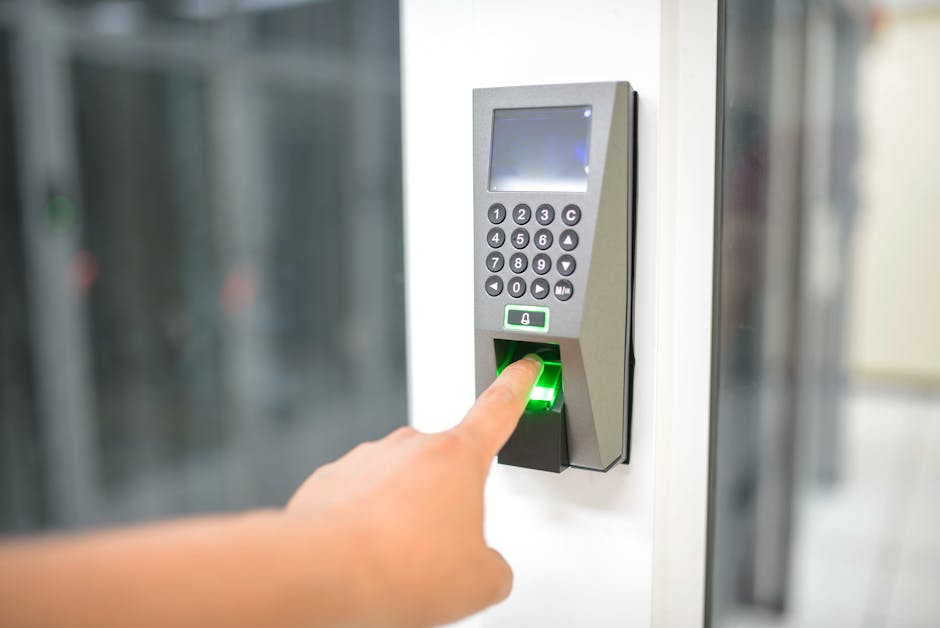
Solo travel is surging, but anxiety at border crossings and hotel check-ins keeps many people from booking in the first place. AI-powered biometrics are now live at more than half of airports worldwide, and they target exactly those friction points. Here is what solo travelers need to know to use this technology effectively.
Faster Borders, Less Worry
Biometric e-gates use facial recognition to verify your passport automatically, replacing unpredictable interactions with a consistent, seconds-long process. No language barriers, no mood-dependent encounters, no fumbling for documents while jet-lagged and alone.
64% of airlines now plan to use their own issued digital credentials for biometric verification, up from 32% in 2024, signaling how fast this infrastructure is expanding.
Programs like Global Entry and Smart Gates let you arrive with your identity already confirmed, turning the border into a walkthrough rather than an interrogation.
Enrollment takes two to six weeks, so apply well before departure. Routing through airports with mature biometric systems such as Singapore Changi, Dubai International, or Narita also meaningfully reduces transit stress.
Safer Hotel Check-Ins
Traditional front-desk check-in often means staff stating your room number within earshot of other guests. Biometric kiosks eliminate that entirely. No public exchange of room details, no physical key card to lose, and no one overhearing your floor number.
81% of solo female travelers are over 45 years old, and this group reports the highest levels of pre-trip and in-transit worry, making private, silent check-in more than a convenience.
When booking, look for properties offering contactless or biometric check-in, keyless room entry, and AI-assisted security monitoring in common areas. Singapore, the UAE, Japan, and parts of Western Europe lead in adoption.