Picture this: you’re scrolling through endless racks of identical fast-fashion pieces, everything blending together in a sea of sameness. Then you spot it. A beautifully structured 1950s swing dress with a nipped waist and full skirt that makes you feel like you’ve discovered buried treasure. That moment of connection with a piece that has history, character, and craftsmanship? That’s the magic of vintage fashion.
While mass-produced clothing dominates most shopping experiences, something remarkable is happening. More people are turning to vintage pieces not just for their environmental benefits, but because they’re tired of looking like everyone else. The global second-hand market is projected to reach USD 350 billion by 2028, proving that timeless style never truly fades. Retro drama isn’t about living in the past. It’s about making a statement that’s uniquely yours.
Understanding the Vintage Fashion Renaissance
If you’ve noticed more vintage shops popping up in your neighborhood or seen your favorite influencers thrifting gorgeous finds, you’re witnessing a genuine cultural shift.
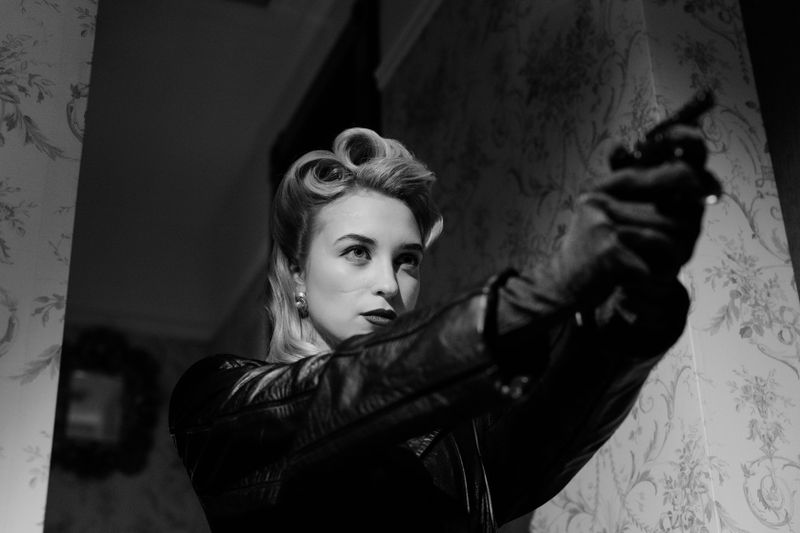
This isn’t just a passing trend. It’s a movement toward sustainable, individualistic fashion that pushes back against mass-produced uniformity.
Here’s what’s driving this change: Gen Z and Millennials are increasingly prioritizing both sustainability and uniqueness in their wardrobes. When fast fashion giants like Shein emit 16.7 million metric tons of carbon dioxide annually, choosing vintage becomes an act of environmental consciousness. Each secondhand purchase significantly reduces your carbon footprint compared to buying new.
Beyond the environmental angle, there’s something deeply satisfying about wearing a piece that no one else has. Vintage fashion offers quality construction that’s increasingly rare in contemporary retail. Think hand-stitched seams, natural fabrics, and details that simply don’t exist in today’s budget-friendly options. You’re not just buying clothes. You’re investing in wearable history.
Defining Your Retro Drama Era
Here’s where the fun begins: choosing your signature era.
 Photo by
 Rather than randomly mixing decades, successful vintage style usually starts with identifying one or two periods that genuinely resonate with your aesthetic and lifestyle.
The 1940s and 1950s offer structured elegance that translates beautifully to modern professional settings. Think Grace Kelly’s full skirts and pearls, the epitome of regal elegance, or the rockabilly swing dresses and glamorous pin-up wiggle dresses that defined the era. These silhouettes create universally flattering shapes with their nipped waists and A-line skirts.
If you’re drawn to bolder statements, the 1960s might be your playground. This decade spans everything from mod minimalism to psychedelic maximalism, offering incredible versatility. Shift dresses, bold geometric prints, and experimental silhouettes from this era mix easily with contemporary basics.
The 1970s calls to those who love flowing fabrics, earth tones, and bohemian romance. Wide-leg trousers, maxi dresses, and peasant blouses create effortless retro drama that feels surprisingly current. Faye Dunaway’s iconic depression-era looks in Bonnie and Clyde, berets, belted coats, and fine knits, actually blended 1930s spirit with 1960s clean lines, showing how eras can inspire each other.
The key is choosing what genuinely excites you rather than what’s trending. Your enthusiasm for a particular era will shine through in how you wear it.
Building Your Vintage Wardrobe Strategically
When you’re starting out, it helps to resist the urge to grab every gorgeous piece you encounter.
 Photo by
 Smart vintage collecting prioritizes versatile foundational pieces over trendy statement items. This approach maximizes both wearability and your investment.
Consider beginning with quality basics: a well-fitted blazer, classic trousers, or a timeless dress in neutral colors. These pieces anchor outfits and justify their cost through repeated wear. You’ll often find these items priced between $40-150 at vintage shops, yet comparable new pieces with similar quality would easily exceed $300.
Before purchasing, inspect garments thoroughly. Check fabric integrity, examine seams, test zippers, and honestly assess whether alterations are needed. Professional tailoring typically runs $20-80 per item, so factor this into your budget. A beautiful piece that needs significant work might not be the bargain it initially appears.
Where you shop matters too:
- Curated vintage boutiques offer expertly selected statement pieces with knowledgeable staff who can help you date items and assess quality
- Thrift stores provide affordable opportunities for experimentation and discovering hidden gems
- Online platforms like Etsy offer detailed measurements and return policies that reduce the risk of buying sight unseen
- Estate sales often yield exceptional finds at reasonable prices, especially for accessories and jewelry
Styling Vintage for Contemporary Life
Here’s the secret that separates stunning vintage style from accidental costume: balance.
 Photo by
 Modern vintage styling honors authentic period details while grounding them in contemporary context.
The simplest approach? Mix one or two vintage statement pieces with modern basics. Pair a 1950s circle skirt with a simple fitted tee and contemporary sneakers. Wear vintage high-waisted trousers with a current-season blouse. This creates intentional contrast rather than head-to-toe period recreation.
Consider strategic tailoring to modernize vintage silhouettes while preserving their character. Hemming a midi skirt to a more current length, slightly tapering wide legs, or reducing oversized shoulder pads can transform a piece from dated to distinctive. Small adjustments make vintage fit contemporary body standards and comfort expectations without sacrificing authenticity.
Accessories bridge the gap between eras beautifully. Contemporary minimalist jewelry, modern bags, and current footwear anchor vintage clothing in today’s style language. This approach signals that you’re making deliberate fashion choices rather than raiding a costume department.
Hair and makeup deserve consideration too. Rather than recreating full vintage looks for everyday wear, you might adapt period-appropriate styles subtly. Soft victory rolls instead of elaborate 1940s sets, or 1970s-inspired waves rather than exact replicas, maintain retro drama without theatrical effect. The goal is subtle nods, not transformation.
Retro drama style succeeds when you combine era knowledge with strategic wardrobe building and balanced contemporary styling. The booming vintage market offers unprecedented access to authentic pieces that deliver both sustainable fashion choices and distinctive personal expression.
Your journey might start with identifying which era makes your heart skip: the polished elegance of the 1950s, the experimental spirit of the 1960s, or the bohemian freedom of the 1970s. From there, consider investing in one quality vintage foundational piece that speaks to you. True retro drama isn’t about recreating the past perfectly. It’s about making timeless style unmistakably, confidently your own.