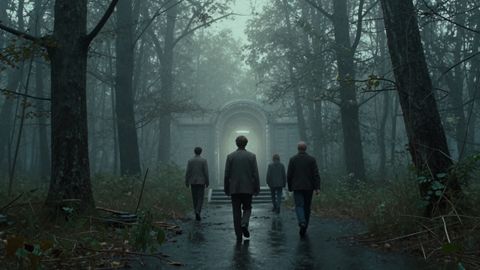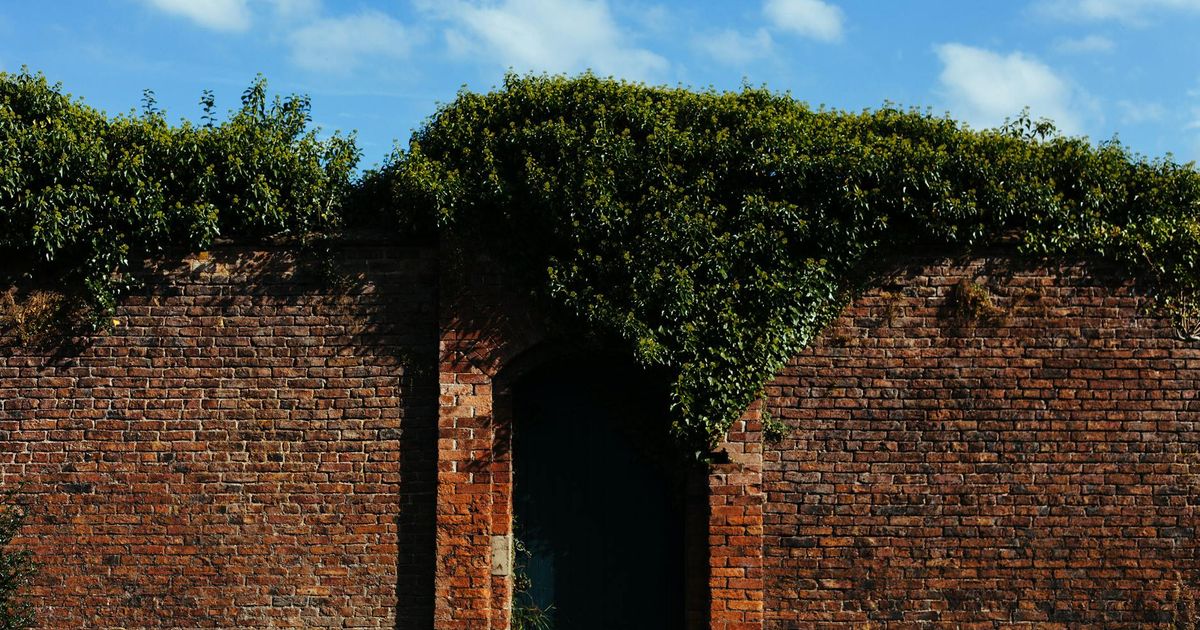

The key is buried somewhere in the earth. The door is so covered in ivy that you would not know it was a door at all, not unless you were a neglected girl with nothing to lose and cold fingers willing to push the growth aside. Mary Lennox is ten years old and she has never been loved well by anyone, and so she has the peculiar freedom of someone with no softness left to protect. She pushes. The ivy gives. And behind it: a handle, iron, green with years of weather, still solid in her palm.
She steps through into something that should be dead. Ten years of no one watching, no one clearing, no one caring whether the roses lived or strangled themselves in their own old wood. And yet. Beneath the grey tangle of dried canes, the soil is dark and soft. She crouches down and finds it - a green shoot, barely the width of a finger, pressing up toward the thin winter light. The garden did not wait for permission. It did not wait for her. It simply continued its underground work, season after patient season, trusting in something she couldn’t yet name. She reaches out and clears the dead leaves from around the small green thing, careful, the way you are careful with objects you already know will matter to you. Her hands are cold. She does not go inside. The sky is pale and enormous above the wall. She stays.
We know this garden. Not the one in Yorkshire with its locked iron door and its century of wild roses, but the one inside us - the part of ourselves we sealed off so gradually we almost forgot the sealing. The creative practice abandoned after one careless comment. The friendship left to go quiet. The version of ourselves we stopped visiting because the visit required too much tenderness, too much risk.
We lock doors to protect ourselves from pain, and then we forget that we have also locked away the very things that could heal us.What Burnett understood, and what has kept this story alive across more than a century of readers, is that neglect does not erase. It only delays. The bulbs keep working in the dark. The roots hold their shape in the soil, patient as a question no one has thought to ask yet. And the door - however long it has stood unopened, however thick the ivy has grown - is still a door. It still has a handle. It still swings.
You do not have to clear the whole garden. You only have to find one green shoot and kneel down beside it, and let the light in a little. The rest will follow, quietly, in its own time, without asking your permission.