
She is not looking at the painter. She is looking at the dog - a small, ridiculous thing she has lifted to her face, and she is smiling the way people smile when they think no one is watching. Around her, fourteen friends fill the afternoon with wine and conversation and the particular laziness of a summer that has nowhere to be. The striped awning filters the light into something amber and soft. The bottles on the table catch it. The glasses hold it briefly, then let it go.
This is the Maison Fournaise on the Seine, sometime in 1881, and Renoir has been coming back for months, chasing the same slant of sun, the same looseness in his friends’ shoulders, the same quality of time that only arrives when nobody has checked their watch in an hour. The woman with the dog is Aline Charigot, who will one day be his wife. He does not paint her posed or lit for drama. He paints her mid-gesture, half-listening, caught in the small grammar of a long afternoon. This is how it begins, the painting suggests - not with declarations but with the willingness to stay a little longer at a table that was never supposed to matter.
No single figure anchors the composition. The table does. People orbit it in overlapping clusters, conversations blooming and dissolving, someone leaning in, someone tilting back, a man draping his arm over a chair and turning fully toward whoever is speaking. The whole luminous arrangement holds together without holding anyone in place.
The meals that change us are rarely the ones we plan; they are the ones we let happen, the ones where we forget to check the time.
We live now as if connection were a logistics problem - something to be coordinated, slotted in, confirmed by three different people before it can exist at all. And so it rarely does. Dates are floated and dropped, threads go quiet, and what remains is a vague intention to gather, always deferred to a season when things will somehow be calmer.
But Renoir spent months of labor trying to capture something that, in life, requires no labor at all. Only willingness. Only the small decision not to be the first to stand.
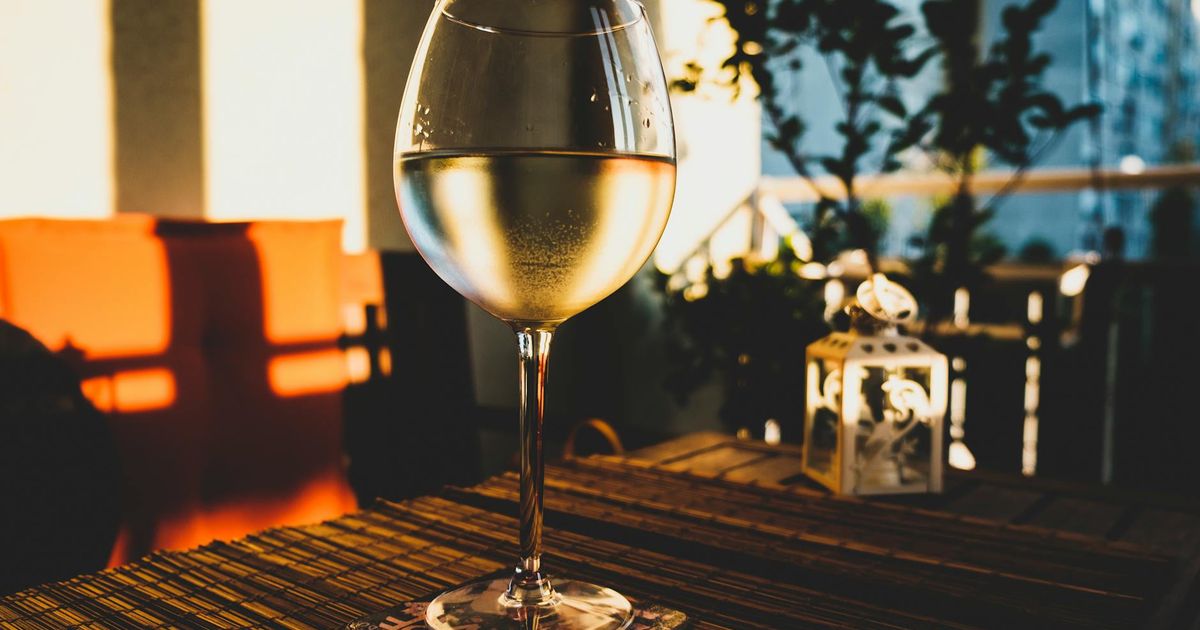
The wine in the foreground of his painting catches light in different ways - some glasses nearly transparent, some dark as garnet. Together they form a quiet still life inside the larger scene, beautiful precisely because it is temporary. He knew the afternoon would end. He painted it anyway.
Somewhere, on an ordinary evening, a few people are sitting around a table that is too small, eating food that is nothing special, and not one of them wants to leave. The light through the window has gone from white to gold and nobody has thought to notice. That is the whole of it. That is what he was painting.