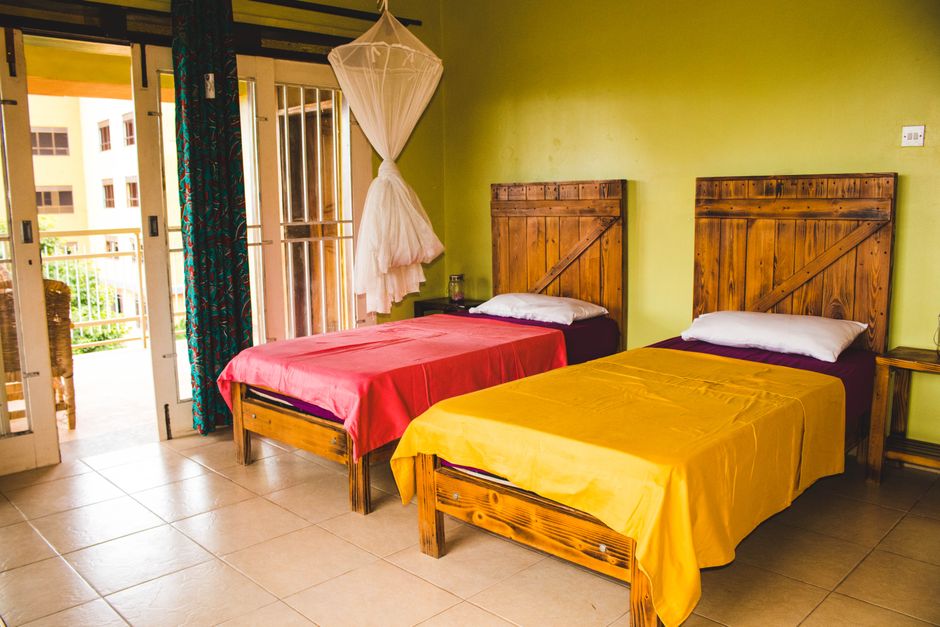
Sarah moved into her dream apartment last year. Smart home, food delivery, remote work, everything at her fingertips. Six months later, she realized she hadn’t had a real conversation with another human in weeks. Her building had no lobby seating, no shared spaces, nothing that might accidentally bring neighbors together. She wasn’t antisocial. Her environment was.
Despite having more ways to connect than ever, we’re lonelier than we’ve been in decades. Workplace loneliness has nearly doubled recently, with 45% of workers reporting feelings of isolation. This isn’t a personal failing. It’s a design problem. And like any design problem, it has solutions.
The Loneliness Paradox We Face
Here’s the uncomfortable truth: the conveniences we celebrate have quietly dismantled the social infrastructure our grandparents took for granted.

Social isolation now carries health risks comparable to smoking 15 cigarettes daily. People with strong social connections show a 50% greater likelihood of survival compared to those without. We’re not talking about feeling sad. We’re talking about a genuine public health crisis.
About 16% of adults report feeling lonely most of the time, with that number climbing to one-quarter among adults under 30. These aren’t people who lack smartphones or social media accounts. They’re surrounded by connectivity yet starving for connection.
The culprit isn’t technology itself. It’s how we’ve restructured our world around efficiency rather than encounter. Drive-throughs replaced diners. Online shopping replaced browsing. Remote work eliminated water cooler moments. We optimized away the friction that used to bring us together.
Architecture of Accidental Encounters
Some communities are fighting back through intentional design.
 Photo by
 Prospect New Town in Colorado built 585 units across 32 acres specifically designed for walkability. Front porches face sidewalks. Paths lead to shared courtyards. The design assumes you’ll bump into your neighbor, and that’s the point.
Urban planners call these “collision points.” Spaces where people naturally cross paths without scheduling a meeting or sending a calendar invite. A bench outside a coffee shop. A community garden. A front porch close enough to the sidewalk for spontaneous conversation.
The magic happens through repetition. You don’t become friends with someone after one encounter. You become friends after seeing them repeatedly in low-pressure situations. The same dog walker every morning, the same face at the neighborhood bakery. Physical design can manufacture these moments or eliminate them entirely.
Workplaces are catching on too. The most innovative offices now place coffee stations strategically, create communal tables, and design hallways that force different departments to cross paths. Connection isn’t left to chance. It’s engineered.
Digital Spaces That Foster Belonging
Online communities can mirror these principles, but most don’t.
 Photo by
 Social media platforms optimize for engagement, not connection. Those are very different things.
The digital spaces that actually foster belonging share common traits. They stay small, require contribution rather than passive scrolling, and often help real-world meetups happen. A Discord server of 200 people who share a niche interest creates more genuine bonds than a platform with millions of users broadcasting into the void.
Design choices matter enormously. Threaded discussions encourage thoughtful responses. Profile depth helps people find common ground. Slow-mode features prevent rapid-fire posting that drowns out quieter voices. These aren’t bugs. They’re features that prioritize quality over quantity.
The best digital communities feel more like neighborhood pubs than stadiums. Everyone knows your name, your contributions matter, and showing up regularly builds real relationships over time.
Designing Tomorrow’s Social Fabric
You don’t need to wait for city planners or tech companies to redesign your social environment.
 Photo by
 You might consider starting where you are.
Add a chair to your front yard or balcony. Somewhere visible that signals openness. Join one recurring local gathering, whether it’s a book club, fitness class, or community garden volunteer day. Host a monthly open-door dinner where guests can bring friends. These small changes lower the activation energy required for connection.
Then think bigger. Advocate for pedestrian-friendly infrastructure in your neighborhood. Support mixed-use zoning that puts homes near shops and parks. Push for community spaces in new developments. Not as afterthoughts, but as central features.
Connection happens at every scale. Your doorstep matters. Your building’s design matters. Your city’s infrastructure matters. Each level either helps human encounter or quietly prevents it.
Loneliness isn’t inevitable. It’s a design choice we’ve been making without realizing it. The good news? We can choose differently.
This week, you might consider one small change. Add seating outside your door, introduce yourself to a neighbor, or find a recurring community event to attend. The connections we crave don’t require more technology or more effort. They require more intentional spaces where humanity can naturally unfold.