
The snow is falling, and a man is singing.
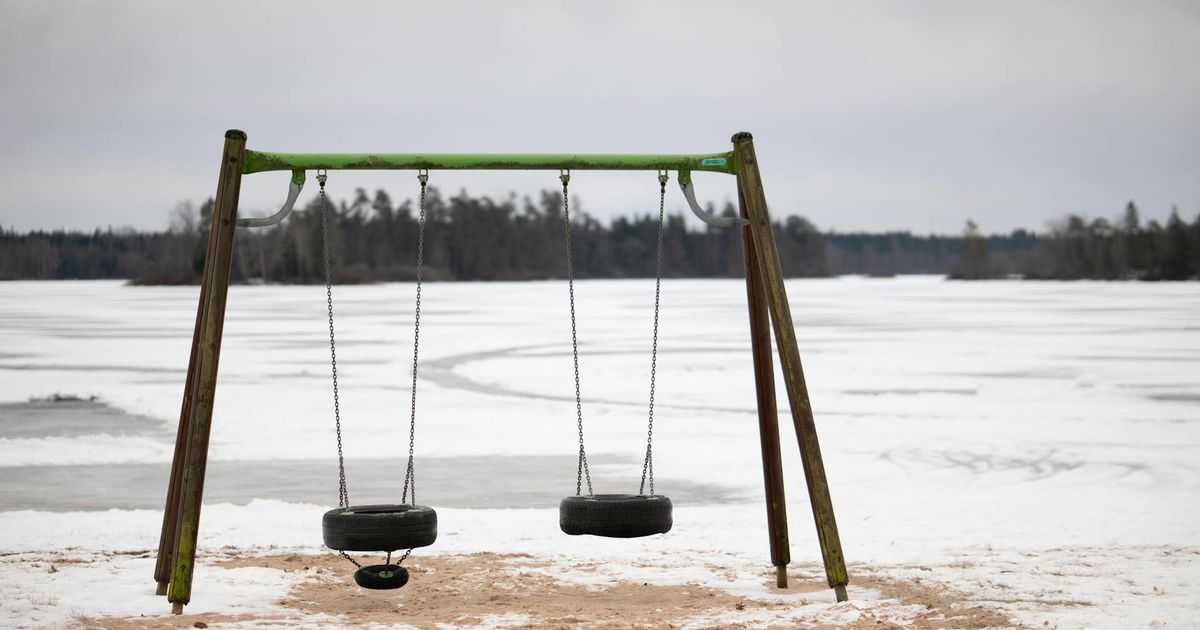
He sits on a swing in the park he built - a small, unremarkable park in a neighborhood that barely registers on any city map. The chains creak with each gentle arc. His coat is thin. His voice is thinner. The song he chooses is an old one, a folk melody about how brief life is, how quickly the years dissolve, and there is something almost unbearable about hearing it from this particular throat, because the man singing it has perhaps six hours left to live.
For thirty years, Kanji Watanabe sat at a desk and disappeared. He stamped papers. He initialed forms. He arrived and departed and no one really noticed either event. The camera that watched him then regarded him the way you might regard office furniture - present, functional, invisible. His colleagues didn’t look at him. His son couldn’t see him. He had reduced himself, through decades of careful avoidance, to the human equivalent of background noise.
And now he is here, in the cold and the dark, swinging slowly, singing softly, and he is the most present person in the entire film. The most alive. Not despite the dying, but somehow because of it - because he spent his last months doing the terrifying, stubborn, ridiculous work of building something real, and now he sits inside what he made, and he knows exactly what it cost him, and he is singing anyway.
The snow keeps falling. The swing keeps moving. The song keeps rising.
We tend to imagine that clarity arrives in dramatic forms - the diagnosis, the accident, the sudden shattering loss that reorganizes everything. But Kurosawa’s film suggests something quieter and more difficult: clarity was always available. The swing was always there. What kept Watanabe at his desk for thirty years was not ignorance of death but a series of small, reasonable-seeming choices to stay where it was safe, to keep his head down, to let the machinery of routine carry him forward without asking whether forward was actually a direction.
We do not need a terminal diagnosis to recognize that we have been living as though already dead; we only need the honesty to look up from the desk.The park Watanabe built is not grand. It is a patch of ground with some slides and a few swings in a neighborhood most people will never visit. But that smallness is precisely the point. He did not save the world. He saved one small corner of it from becoming another abstraction, another petition shuffled between departments until it disappeared. He did one true thing.
The snow in that final image is always falling somewhere. The question it leaves behind is not whether we are brave enough to face death. It is whether we are brave enough to notice the swing sets already waiting, just past the edge of our routines, asking nothing except that we sit down and begin.