Close your eyes, pinch your nose, and pop a green jelly bean into your mouth. Try to guess the flavor. Is it lime? Apple? Watermelon?
Surprise: you probably can’t tell. Without smell, that jelly bean tastes like nothing more than “sweet.” Your taste buds aren’t broken. They’re just not running the show.
What we call “taste” is actually a sophisticated illusion your brain constructs from multiple sensory inputs: smell, sight, sound, texture, memory, and yes, those humble taste buds too. It’s a magic trick happening inside your head with every bite. Once you understand how it works, you’ll never eat quite the same way again.
When Your Taste Buds Lie
Here’s a humbling truth about your tongue: it’s remarkably limited.
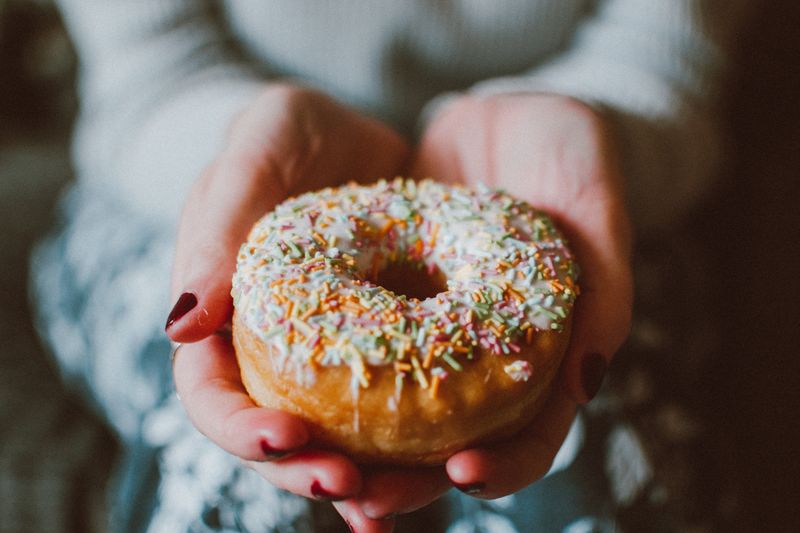
Those roughly 10,000 taste buds can detect just five basic sensations: sweet, salty, sour, bitter, and umami. That’s it. No “strawberry” receptor. No “chocolate” detector. Nothing that explains why your grandmother’s pasta sauce tastes different from the jar at the grocery store.
So where does all that complexity come from?
The answer floats up through your nasal passages. Retronasal olfaction, the smell of food traveling from your mouth up to your nose as you chew, contributes up to 70-80% of what you perceive as flavor. This explains the mystery of the common cold. When your sinuses are stuffed, food tastes flat and boring. Your taste buds are working fine. They just lost their partner in crime.
But smell is only part of the story. Your brain also factors in what you see, what you hear, and what you expect. Studies consistently show that people rate identical foods differently based solely on color changes or how the dish is plated. The flavor you experience isn’t a simple report from your tongue. It’s a creative interpretation your brain assembles from scattered clues.
The Neuroscience of Flavor Perception
Deep inside your brain, the orbitofrontal cortex acts as flavor’s command center.
 Photo by
 Neuroimaging studies reveal that this region lights up when taste, smell, texture, and visual information converge simultaneously. It’s where your brain takes separate sensory streams and weaves them into the unified experience of “delicious” or “disgusting.”
This integration happens faster than conscious thought, which creates some fascinating vulnerabilities.
Your brain prioritizes visual information, often overriding what your taste buds actually detect. In one famous experiment, researchers dyed white wine red and asked expert sommeliers to describe it. The professionals used red wine terminology, describing notes of cherry and dark fruit that simply weren’t there. Their eyes trumped their palates.
Expectations matter too. Brain scans reveal that when people believe they’re drinking expensive wine, their pleasure centers activate more intensely than when they think it’s cheap, even when the wine is identical. The label literally changes the neural experience. According to predictive coding models, your brain actively “fills in” sensory information based on what it expects to find. You don’t just taste food. You taste your assumptions about it.
How Food Companies Exploit Perception
The food industry knows all of this and employs teams of sensory scientists to exploit it.
 Photo by
 Color additives are carefully calibrated because brighter colors trigger expectations of more intense flavor. Orange juice manufacturers add color to ensure consistent appearance, knowing that paler juice tastes “weaker” to consumers even when the actual flavor compounds are identical.
The manipulation extends to sound. Packaging crunch is engineered to be louder, making chips seem fresher and more satisfying. Research shows people rate identical chips as staler when the bag crinkle sound is muted. That satisfying crackle isn’t just packaging. It’s part of the product.
Restaurants play the game too. Fast food chains use bright lights and uptempo music to increase table turnover, while fine dining establishments dim the lights and slow the tempo to encourage lingering and ordering another bottle of wine. Plate colors are chosen strategically: white plates make food appear more flavorful, while red plates can reduce appetite.
None of this is necessarily sinister, but it does mean the “taste” you’re paying for often includes a healthy dose of sensory theater.
Real World Flavor Illusions
These illusions aren’t confined to laboratories.
 Photo by
 They show up in your kitchen every day.
The jelly bean test mentioned earlier works reliably. Blindfolded with nose pinched, most people can distinguish only “sweet” or “sour,” not specific fruit flavors. The rich taste of cherry or lime exists primarily in your nose, not your mouth.
Vanilla scent added to low-fat foods makes them taste creamier without adding any fat or changing texture. Ice cream manufacturers use this trick to reduce costs while maintaining perceived richness. Your brain smells “cream” and fills in the rest.
Even your coffee cup matters. Coffee served in white cups tastes more bitter than identical coffee in clear or colored cups. The visual contrast between dark liquid and white ceramic triggers bitterness expectations before the liquid even touches your tongue.
Trigeminal sensations like the warming of spices or the cooling of mint connect directly to emotion and memory centers, making these sensations feel more vivid and memorable. This explains why spicy food creates such strong reactions. It’s not just taste. It’s a full neurological event.
Reclaiming Your Taste Experience
Understanding flavor illusions doesn’t ruin eating.
 Photo by
 It can actually improve it.
Consider eating with closed eyes occasionally. This simple practice isolates actual taste from visual expectations and packaging influence. You might discover that the “premium” brand you’ve been buying tastes remarkably similar to the store brand, or that a food you thought you disliked is actually quite pleasant when divorced from its appearance.
Experiment with presentation. Serve the same meal on different colored plates, or in different lighting conditions. Notice which sensory factors most influence your personal perception. Many people discover they’ve been paying premium prices for packaging rather than superior taste.
Perhaps most importantly, slow down. Exhale through your nose while chewing to fully engage retronasal olfaction and access richer flavor dimensions. The brain uses touch, temperature, and even the crunch of a cookie to decide whether something is fresh, creamy, or satisfying. Rushing through meals means missing most of the show.
Mindful eating isn’t just wellness jargon. It’s a way to distinguish authentic taste from manufactured sensory manipulation.
Flavor is a sophisticated illusion your brain constructs from scattered sensory clues: smell, sight, sound, texture, memory, and expectation. Food companies have learned to exploit this process through careful manipulation of color, packaging, and environment.
But knowledge is power. Try the jelly bean test yourself this week. Eat one familiar food blindfolded. Pay attention to what changes when you remove visual cues or slow down enough to really smell your meal.
Once you see through the flavor illusion, you can’t unsee it. And that’s when eating becomes truly conscious.
📘 General Information: This content is for general informational purposes only. It may not apply equally to all situations, so please seek professional advice when needed. Use it as a helpful reference and apply what feels relevant to you.