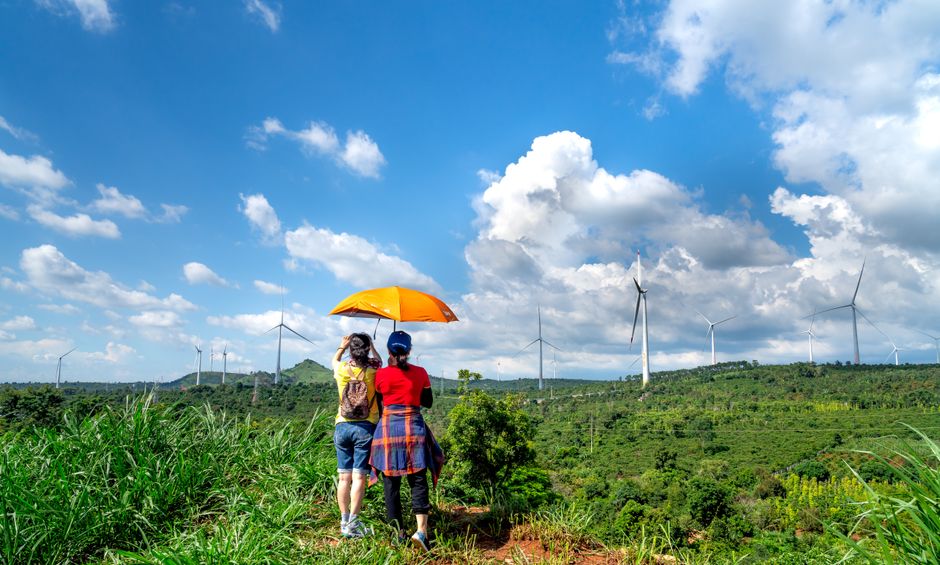
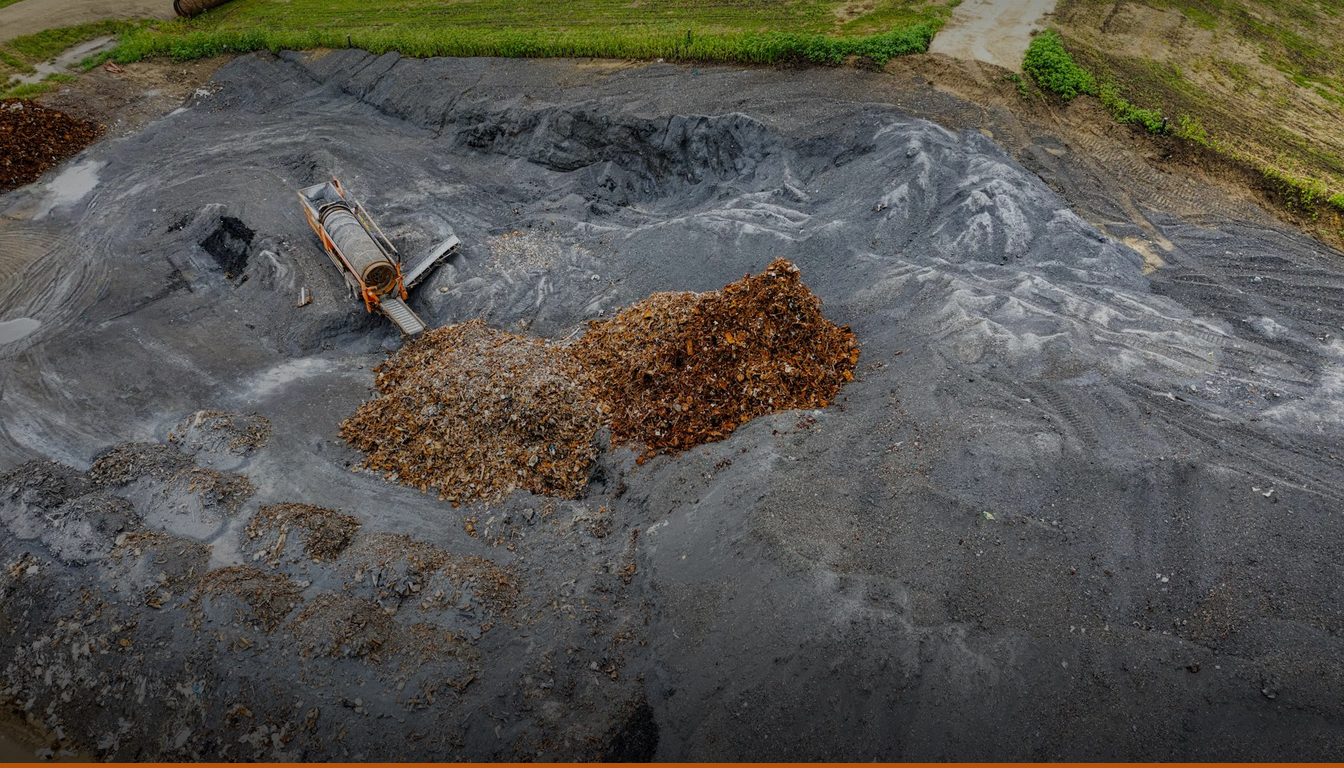
Picture this: you’re standing in the grocery store, reaching for your usual bag of flour, when you notice the price has jumped again. Droughts in wheat-growing regions, floods destroying rice paddies, heat waves scorching corn fields. These aren’t distant news stories anymore. They’re showing up in your shopping cart.
By 2050, rising temperatures could slash wheat yields by 25% and make your morning coffee a luxury item. The foods we’ve relied on for generations are becoming climate casualties. But here’s the good news: a new generation of resilient foods is emerging. Building a climate-proof diet isn’t about sacrifice. It’s about discovering delicious options that can withstand environmental extremes while nourishing you and a growing planet.
Why Your Grocery List Needs Updating
Traditional agriculture is struggling to keep pace with our changing climate.
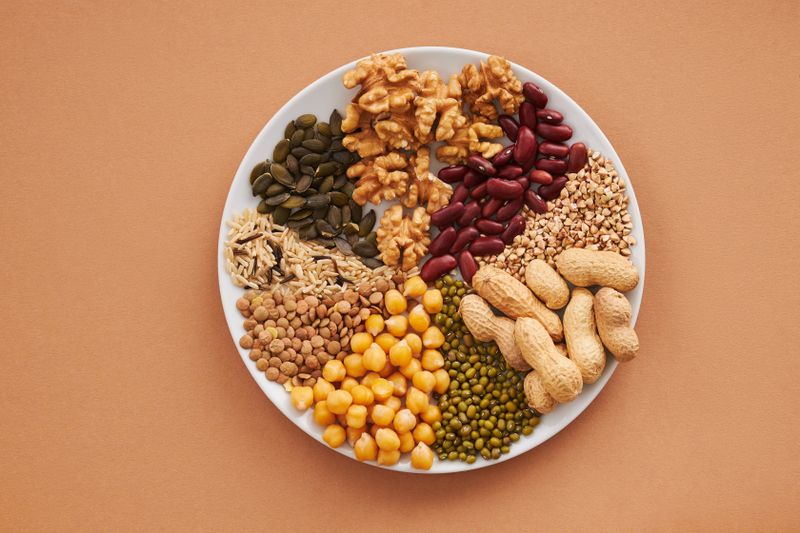
Extreme weather events have increased crop failures by 40% in major agricultural regions over the past decade. Droughts, floods, and heat waves now disrupt wheat, rice, and corn production with alarming regularity.
The water story is equally concerning. Beef production requires a staggering 15,415 liters of water per kilogram, compared to just 237 liters for cabbage [Dimension]. Water scarcity now threatens 60% of current farmland, making water-intensive crops like almonds and avocados increasingly unsustainable. California’s agricultural water use has dropped 20% due to persistent drought conditions.
Meanwhile, livestock farming accounts for 16.5% of annual worldwide greenhouse gas emissions [Royal]. The math simply doesn’t add up for feeding a growing population with our current food system. Something has to change. Fortunately, solutions are already emerging.
Resilient Crops Taking Center Stage
Enter the climate heroes you might not have heard of: ancient grains that have survived harsh conditions for thousands of years.
 Photo by
 Millet and sorghum use 70% less water than rice while providing comparable nutrition. These hardy grains thrive in temperatures exceeding 40°C, conditions that would devastate conventional crops. India declared 2023 the International Year of Millets, recognizing these climate-resilient grains as essential for global food security.
Perennial crops offer another exciting frontier. Unlike annual crops that need replanting each season, perennial wheat and Kernza develop deep root systems that prevent soil erosion, sequester carbon, and require replanting only once per decade. Imagine the farming costs and environmental impact that saves.
Heat-tolerant legumes like cowpeas and pigeon peas fix nitrogen naturally in the soil, reducing dependence on synthetic fertilizers while withstanding extreme temperatures. These aren’t exotic foods. They’re practical solutions growing in fields right now.
Alternative Proteins Beyond the Hype
Plants aren’t the only answer to climate-proof nutrition.
 Photo by
 A fascinating world of alternative proteins is emerging with dramatically lower environmental footprints.
Spirulina and chlorella, tiny microalgae, produce 20 times more protein per acre than soybeans. They contain all essential amino acids and can grow in non-arable land, including deserts. Plant-based alternatives overall use 99% less water, 97% less land, and produce up to 98% fewer emissions than beef [Council on].
Insect proteins sound unusual, but cricket flour and mealworm protein require 90% less land and water than beef while producing 80% fewer greenhouse gas emissions. The EU approved insects for human consumption in 2021, and products are now appearing in major supermarkets across Europe.
Perhaps most accessible is precision fermentation, which creates dairy and egg proteins without animals. Companies like Perfect Day already sell animal-free ice cream in thousands of stores, using 95% less water and producing zero methane emissions. The alternative protein market is projected to reach $86.13 billion by 2033 [Bioengineer].
Tech Meets Agriculture Innovation
Technology is revolutionizing how we grow climate-resilient food.
 Photo by
 Vertical farms represent one of the most promising developments. These climate-controlled facilities use 95% less water and can produce yields 100 times higher per square foot than traditional agriculture.
Hydroponics in controlled environment agriculture yields 10 to 20 times greater for tomatoes than open-field production [Food and]. These systems grow food year-round regardless of external weather conditions, making them invaluable as climate disruptions intensify.
Genetic tools are enhancing crop resilience at the DNA level. CRISPR gene editing creates drought-tolerant tomatoes and flood-resistant rice without introducing foreign DNA, essentially accelerating natural adaptation processes. The plant breeding and CRISPR market is expected to grow from $21.7 billion in 2024 to $50.1 billion by 2030 [BENEO Blog], signaling massive investment in these technologies.
These innovations aren’t replacing traditional farming. They’re complementing it, creating backup systems for when Mother Nature doesn’t cooperate.
What to Buy Right Now
 Photo by
 The good news? Climate-resilient foods are already on store shelves, waiting for you to discover them.
Head to the bulk section and look for ancient grains like farro, amaranth, and teff. These nutritious, climate-hardy options are often cheaper than trendy quinoa and store well, reducing food waste. They cook similarly to rice and add wonderful nutty flavors to meals.
For protein, consider expanding beyond chicken and beef. Lentils, chickpeas, and hemp seeds offer complete nutrition while supporting regenerative agriculture practices. Soy protein requires 91% less land and 96% less water than beef production [USDA]. Legumes also improve soil health, reducing the need for synthetic fertilizers.
Choosing seasonal, locally grown produce reduces transportation emissions and supports regional food resilience. Farmers’ markets often feature heritage varieties bred for local conditions, exactly the kind of diversity our food system needs.
Building Your Future-Proof Plate
Creating a climate-resilient diet doesn’t require an overnight transformation.
 Photo by
 Small, consistent changes create lasting habits without overwhelming your routine or budget.
Consider starting with one meal per week featuring resilient grains or alternative proteins. Maybe it’s a millet bowl for lunch or lentil tacos for dinner. As you discover what you enjoy, gradually increase from there.
Diversifying your protein sources across plants, fungi, and sustainable seafood reduces dependence on climate-vulnerable livestock systems. Variety also ensures nutritional completeness. Different protein sources offer different amino acid profiles, vitamins, and minerals.
Your purchasing choices matter beyond your own health. Supporting food companies investing in climate-resilient agriculture, those with transparent supply chains and sustainability certifications, drives innovation and makes future-proof foods more accessible and affordable for everyone.
Climate change is reshaping our food landscape, but this challenge brings opportunity. Resilient crops like millet and sorghum, alternative proteins from algae to precision fermentation, and agricultural innovations like vertical farming offer nutritious, delicious options that thrive despite environmental extremes.
The transition can start small. Perhaps swap one conventional grain for millet this week, or try a plant-based protein you’ve never cooked before. Your future-proof plate isn’t just about survival. It’s about thriving in a changing world while nourishing both yourself and the planet we all share.
📘 General Information: This content is for general informational purposes only. It may not apply equally to all situations — please seek professional advice when needed. Use it as a helpful reference and apply what feels relevant to you.
🔖
- Bioengineer - Mycoprotein meat analogs market analysis
- Dimension Market Research - Water footprint comparison data
- Food and Nutrition Journal - Controlled environment agriculture yields
- Council on Foreign Relations - Plant-based alternatives environmental impact
- USDA - Soy protein environmental comparison data
- Royal Meteorological Society - Livestock GHG emissions data