

That satisfying snap of a potato chip. The silky melt of chocolate on your tongue. The chewy resistance of fresh bread as you tear into it. These sensations captivate us before flavor even registers.
Think about your favorite foods for a moment. Texture likely plays a starring role in what makes them irresistible. A soggy chip or grainy chocolate simply won’t do, no matter how well-seasoned. Food texture profoundly shapes our eating experience, influencing satisfaction, cravings, and even cultural identity in ways that often surpass taste itself. Let’s explore how texture perception works, why food companies invest millions in getting it right, and how you can apply these principles in your own kitchen.
The Crunch That Changed Everything
Picture biting into perfectly fried chicken. Before you register the seasoning or savory meat, your brain lights up at that initial crackle. Texture creates immediate sensory feedback that registers before taste receptors fully activate.
Brain imaging studies reveal that texture activates several sensory regions simultaneously, creating richer neural patterns than taste alone. This explains why texture memories often feel more vivid than flavor memories. You might forget exactly how something tasted, but you remember how it felt.
Certain textures trigger dopamine release, creating pleasure responses independent of nutritional content. The crunch of chips or creaminess of ice cream activates reward centers similar to other pleasurable experiences. Many people gravitate toward crunchy snacks, suggesting that textural satisfaction is deeply tied to our enjoyment.
Texture expectations shape satisfaction. When reality mismatches expectation, even delicious food disappoints. Soggy fries or grainy chocolate feel wrong because our brains predict specific textural experiences. Violations of those predictions register as unpleasant, regardless of actual flavor.
Science Behind Texture Perception
Your mouth is a remarkably sophisticated texture-detection machine.
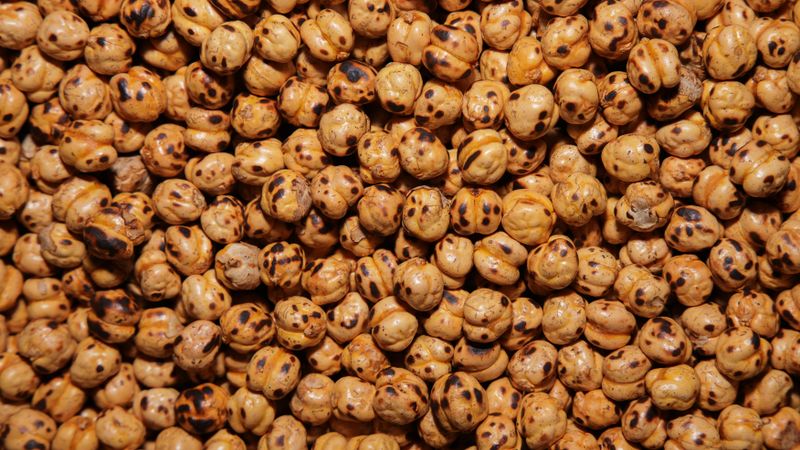
Mechanoreceptors throughout your tongue, cheeks, and palate detect pressure, vibration, and temperature, sending texture signals to the brain. Surprisingly, we have more tactile receptors on our tongues than on our fingertips, making our mouths texture-detection specialists.
But texture perception extends beyond touch. Sound plays a key role. The acoustic properties of crunching or crackling boost perceived freshness and quality. Studies show people rate identical chips as staler when crunch sounds are dampened through headphones. That satisfying crackle isn’t just pleasant; it’s informative.
Visual cues prime texture expectations before food even enters your mouth. Glossy surfaces suggest creaminess, while rough surfaces indicate crunchiness. Your brain begins texture processing based purely on appearance, setting up expectations that the actual eating experience either confirms or contradicts.
Interestingly, as you continue eating, your brain’s response to both taste and texture gradually decreases. This sensory adaptation explains why the first bite always seems best and why textural variety keeps meals interesting throughout.
Food Industry Texture Engineering
Food manufacturers don’t leave texture to chance.
 Photo by
 Companies employ texture engineers and rheologists who measure properties like viscosity, elasticity, and fracture patterns with scientific precision. Specialized instruments measure texture down to specific force measurements and deformation rates.
These measurements translate into carefully controlled ingredients. Hydrocolloids like xanthan gum and carrageenan create specific textures, from creamy smoothness to satisfying thickness. Ice cream manufacturers balance fifteen or more ingredients to achieve the perfect melt rate and creaminess ratio.
Texture layering combines crispy, creamy, and chewy elements to create complexity that keeps consumers engaged bite after bite. Successful snacks often feature at least two contrasting textures, like crunchy shells with creamy fillings. Think of a candy bar with a crisp wafer, soft caramel, and smooth chocolate coating.
Temperature control affects texture dramatically. Companies design products for optimal texture at specific serving temperatures, with chocolate formulations varying by region to maintain ideal snap and melt in different climates. Meanwhile, innovative approaches using upcycled fibers from oat, barley, citrus peel, and apple pomace are improving texture in plant-based products [Proveg].
Cultural Texture Preferences Vary Widely
Texture preferences are deeply cultural, shaped by the foods we grow up eating.
 Photo by
 Western cuisines often prize crispness and crunch, associating these textures with freshness and quality. American snack foods emphasize crackling, crunchy textures from chips to fried chicken to crispy bacon, reflecting this cultural emphasis.
Eastern preferences often diverge dramatically. Asian cuisines celebrate soft, slippery, and gelatinous textures that many Westerners find unfamiliar or challenging. Japanese cuisine features foods like mochi, natto, and silken tofu that highlight subtle, yielding textures, and manufacturers increasingly develop products that honor these traditional preferences.
These preferences develop early in childhood through repeated exposure. Children raised with specific textures develop neural pathways that make those sensations inherently pleasurable. What feels comforting to one person might feel strange to another, not because of objective quality, but because of textural conditioning.
Understanding this helps explain why some foods travel well across cultures while others don’t. Crunchy snacks often cross borders easily, while gelatinous desserts may require acquired appreciation.
Applying Texture Wisdom at Home
Home cooks can dramatically improve dishes by consciously considering texture, not just flavor.
 Photo by
 The principle is simple: add textural contrast to every dish. Pair creamy with crunchy, soft with chewy, smooth with rough. Simple additions like toasted nuts on salads, crispy shallots on soups, or a drizzle of crunchy granola on yogurt transform eating experiences.
Timing matters as much as ingredient selection. You might consider preserving textures by adding delicate elements at the last moment, preventing sogginess or unwanted softening. Dress salads just before serving. Add crackers to soup at the table. Toast bread immediately before serving. These small timing adjustments maintain the textural contrasts you’ve worked to create.
Temperature management affects texture profoundly. Serving hot foods hot and cold foods cold creates optimal textural experience. Room-temperature ice cream loses its appealing firmness, while reheated fried foods rarely recapture their original crispness. When possible, plan your cooking so texturally sensitive elements are prepared last.
Consider building texture into your meal planning. If your main dish is soft and creamy, add a crunchy side. If you’re serving something chewy, include something smooth. This intentional layering transforms home cooking from good to memorable with minimal extra effort.
Texture shapes our food experiences through complex sensory pathways, cultural conditioning, and sophisticated industry engineering. From the crunch that triggers dopamine to the cultural preferences that make certain foods feel like home, texture operates as a hidden dimension of eating pleasure.
In your next meal, pause to notice textures before flavors. Pay attention to what your mouth feels, not just what it tastes. You might discover why certain foods have always felt irresistible and find new ways to bring that magic into your own cooking. Great food isn’t just about what tastes good; it’s about what feels right.
📘 General Information: This content is for general informational purposes only. It may not apply equally to all situations. Please seek professional advice when needed. Use it as a helpful reference and apply what feels relevant to you.


