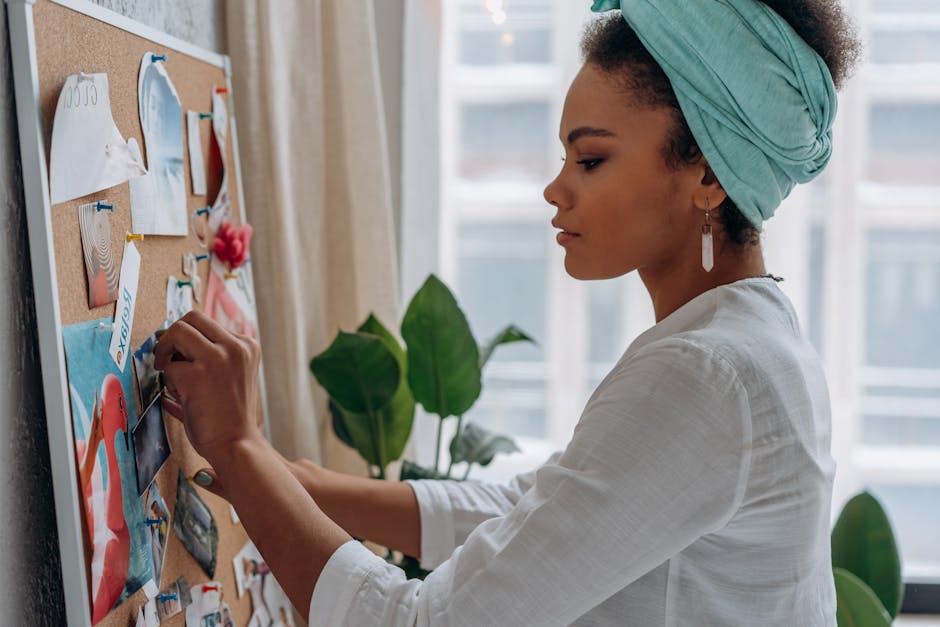

You walk into a room and instantly feel calmer. The colors, the light, the arrangement: everything just feels right. That’s not coincidence. It’s the decorating mindset at work.
Maybe you’ve experienced the opposite too. Walking into a cluttered space and feeling your shoulders tense. Sitting in a room that somehow drains your energy without any obvious reason. These reactions aren’t random. Your environment constantly communicates with your brain, shaping your mood and mental state in ways you don’t consciously recognize.
Intentional decorating isn’t about perfection or following the latest trends. It’s a powerful wellness practice that influences your mood, productivity, and overall mental health every single day. Let’s explore how your surroundings affect your psychology and discover simple ways to create spaces that genuinely support your well-being.
The Psychology Behind Personal Spaces
Your brain processes environmental cues automatically, triggering emotional responses before you even have time to think about them.

Neural pathways link what you see to memory and emotion centers within milliseconds. This explains why certain spaces make you feel instantly at ease while others create subtle unease.
Environmental psychology research shows our spaces directly impact cortisol levels and emotional regulation. Studies suggest that personalized spaces can reduce stress significantly compared to generic environments. When your surroundings reflect your identity, they create a sense of belonging and psychological safety. That’s a foundation for mental wellness.
This connection between space and psyche runs deeper than aesthetics. Your home isn’t just where you live. It’s where your nervous system either finds rest or stays on alert. Understanding this gives you real power to shape how you feel each day.
Color and Light Impact Emotions
One of the most accessible tools for emotional well-being is color.
 Photo by
 Warm tones like terracotta and golden yellows promote comfort and social connection, making them wonderful choices for living spaces where you gather with loved ones. Color psychology research shows these hues can actually increase perceived warmth in a room.
Cool tones serve different but equally valuable purposes. Blues and greens have been shown to lower heart rate and blood pressure, creating ideal environments for rest and focused work . Hospital studies found blue-toned rooms reduced patient anxiety noticeably. Proof that color choices matter beyond mere preference.
Natural light deserves special attention too. Exposure to daylight regulates your circadian rhythms, improving sleep quality and daytime alertness. If possible, arrange your main living and working areas to maximize natural light. Even small adjustments can make a meaningful difference. Moving your desk closer to a window, for example.
Clutter Reduction Improves Mental Clarity
 Photo by
 Physical clutter creates mental clutter. Visual chaos competes for your attention, reducing focus and increasing mental fatigue throughout the day. Research has found that clutter limits the brain’s ability to process information effectively, essentially stealing cognitive resources you could use elsewhere .
The impact extends beyond concentration. Studies have found cluttered homes correlate with elevated stress hormones, particularly affecting those who feel responsible for household order. Organized spaces, by contrast, lower cortisol levels and create what you might call visual rest stops. Clear surfaces where your eyes and brain can reset between tasks.
This doesn’t mean your home needs to look like a minimalist magazine. It means creating enough breathing room for your mind. Start by identifying the spaces where you spend the most time and gradually introduce more order there.
Personal Expression Through Decor Choices
Decorating with intention allows authentic self-expression, reinforcing your identity and creating spaces that genuinely support who you are.
 Photo by
 Displaying meaningful objects like travel souvenirs, family photos, and artwork you love activates positive memories and strengthens your sense of self.
This personalization goes beyond mere decoration. Curating your environment is an act of self-care, communicating to yourself that your comfort and preferences matter. Therapists often recommend environment personalization as part of building self-esteem and emotional resilience.
Spaces that reflect your values and interests also reduce decision fatigue. When your environment aligns with your identity, you spend less mental energy fighting against your surroundings. Your space should tell your story, not someone else’s design trends.
Nature Elements Enhance Indoor Wellness
Incorporating natural elements like plants, wood, stone, and water features triggers what researchers call biophilic responses.
 Photo by
 These are deep-seated reactions to nature that reduce stress and improve cognitive function . It’s as if our brains still remember the natural environments where humans evolved.
Indoor plants improve air quality while reducing stress and increasing productivity. Workplace studies consistently show plants boost focus and even reduce sick days. Beyond living greenery, natural materials like wood and stone create tactile warmth and visual connection to the outdoors .
Even nature imagery works. Landscape photos, botanical prints, or nature documentaries playing softly in the background can activate restorative responses in your brain. If maintaining live plants feels overwhelming, start with images or natural textures. They still count.
Intentional Spaces Support Daily Rituals
Designing spaces around your routines creates environmental cues that make healthy habits easier and more sustainable.
 Photo by
 A dedicated morning coffee corner or cozy reading nook signals your brain it’s time for that ritual. Habit research shows environmental triggers are more reliable than willpower alone for lasting behavior change.
This principle applies to all daily activities. Workspace design influences productivity. Proper lighting, ergonomic setup, and minimal distractions boost focus and reduce fatigue. Evening wind-down spaces with soft lighting and comfortable seating prepare your body for quality sleep.
You don’t need a complete home overhaul to start experiencing these benefits. Think about the activities that matter most to you and create small, intentional zones that support them.
Starting Your Decorating Mindset Journey
Beginning with small, intentional changes builds momentum and confidence, making the decorating mindset accessible regardless of budget or experience.
 Photo by
 Start with one room or corner. Your bedroom, a reading chair, your desk. Focus on how you want to feel there.
Ask yourself: What activities happen here? What mood supports those activities? What’s currently working, and what isn’t? These simple questions guide meaningful changes without overwhelming you.
Make one adjustment at a time and notice how it affects your experience. Rearrange furniture, add a plant, change the lighting. Small shifts create surprisingly significant impacts. Most importantly, trust your instincts over trends. Your well-being depends on what feels right to you, not Instagram aesthetics. Authenticity in personal spaces correlates more strongly with satisfaction than design perfection ever could.
The decorating mindset transforms your home from a backdrop into an active partner in your well-being. By understanding how color, light, nature, and intentional design affect your psychology, you gain powerful tools for daily wellness.
Look around your space right now. What’s one small change that could better support how you want to feel today? Perhaps it’s clearing a cluttered surface, adding a plant, or simply rearranging your favorite chair to catch more light. Your environment is always working on you. Make sure it’s working for you.
🌞 Wellness Information: This content shares general ideas to support your mental and physical wellbeing. Results may vary, and if you experience persistent emotional or mental difficulties, please seek professional help. Take what resonates with you and use it gently in your daily life.


