
You’re scrolling through your phone when suddenly you feel it. That inexplicable pull toward the forest photo on your screen. Your shoulders drop slightly, your breathing deepens, and for a moment, the mental chatter quiets. That’s biophilia, and it’s trying to tell you something.
This innate connection to nature isn’t just poetic sentiment or nostalgic longing. It’s a scientifically-backed pathway to measurable improvements in mental health, stress resilience, and overall well-being. The good news? You don’t need to quit your job and move to the mountains. Understanding why your brain craves natural environments can help you build lasting resilience through this ancient connection.
Understanding Your Nature Connection
Picture yourself walking into a sunlit park after a stressful morning.

Within minutes, something shifts. Your jaw unclenches, your thoughts slow down, and that tight knot in your chest begins to loosen. This isn’t imagination. It’s biology at work.
Research shows that spending time in forests can lower blood pressure, reduce cortisol, and increase feelings of happiness. Even viewing nature images activates your parasympathetic nervous system, the rest and digest mode that counteracts chronic stress. Your brain, shaped by millions of years of evolution in natural environments, recognizes green spaces as safe and restorative.
The cognitive benefits extend beyond immediate calm. Natural environments improve attention span and combat the digital fatigue that plagues modern life. Attention Restoration Theory explains this: nature replenishes your directed attention capacity, which gets depleted by screens, notifications, and constant urban demands. In 2023, the American Psychological Association cited nature exposure as one of the few universally effective strategies for mental clarity and mood regulation.
This cognitive boost translates into emotional benefits too. Regular nature exposure correlates with significantly lower rates of anxiety and depression symptoms. Nature reduces stress, anxiety, and depression while improving overall mood. Your brain is designed to respond positively to natural settings. It’s biology, not just preference.
Practical Nature Integration Strategies
Here’s where things get encouraging: you don’t need wilderness access to harness biophilia.
 Photo by
 Strategic micro-doses of nature in urban settings deliver significant well-being benefits.
Consider the 20-5-3 framework as a starting point. Aim for 20 minutes in nature three times weekly, 5 hours monthly in semi-wild spaces like large parks or nature reserves, and 3 days annually in true wilderness. This approach balances accessibility with optimal benefits for stress reduction and mood improvement. Of course, any nature time is better than none. These numbers offer guidance, not rigid rules.
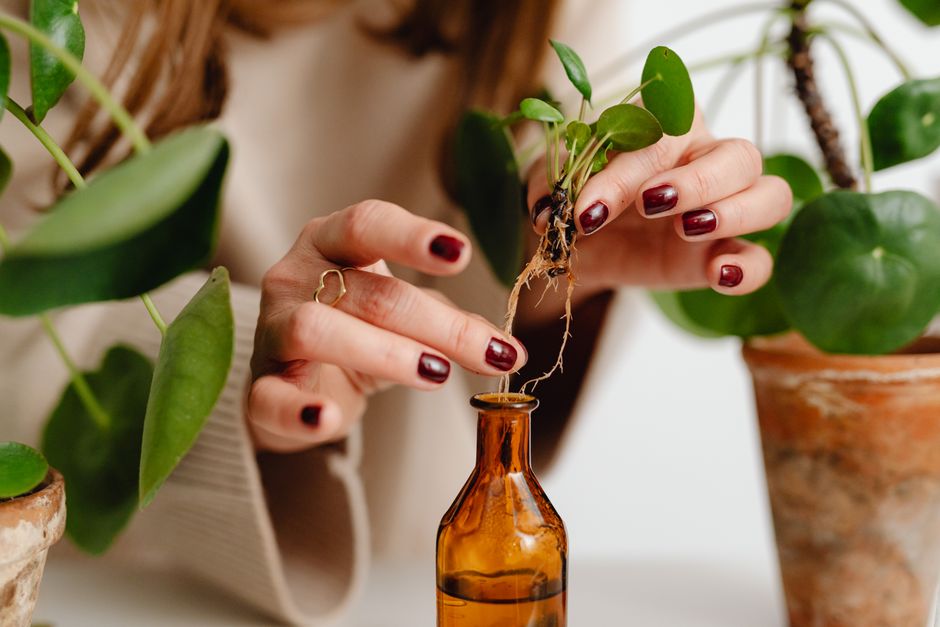
Even smaller interventions create measurable change. Indoor biophilic design, incorporating plants, natural light, and nature sounds into your environment, can reduce perceived stress and boost productivity. Research indicates that multi-activity pods with natural elements reduce stress, improve concentration, and boost mental well-being. A few houseplants within visual range or a desk positioned near a window might seem trivial, but these small changes compound over time.
Your daily commute offers unexpected opportunities too. Walking through tree-lined streets versus concrete routes increases positive mood states and reduces rumination, those repetitive negative thought patterns that fuel anxiety. Urban green corridors provide accessible nature exposure without requiring dedicated park time. Even choosing the scenic route to grab coffee counts.
Building Your Nature Resilience
The real transformation happens when nature connection becomes a practice rather than an occasional escape.
 Photo by
 Cultivating regular engagement with the natural world creates cumulative resilience, strengthening your capacity to handle stress and maintain emotional equilibrium long-term.
Consider establishing a nature anchor, a specific outdoor spot you visit regularly. This might be a particular bench in a nearby park, a trail you walk weekly, or even a balcony garden you tend each morning. Behavioral psychology shows that familiar natural settings trigger faster relaxation responses through conditioned associations. Over time, simply arriving at your anchor spot can initiate calm before you’ve taken a single conscious breath.
Consistency matters more than duration or intensity. A daily five-minute sit under a tree may serve you better than a monthly three-hour hike. That said, seasonal engagement prevents adaptation and keeps the biophilia effect potent. Varied natural stimuli, spring blossoms, summer storms, autumn leaves, winter stillness, maintain novelty and sustain your brain’s positive response.
This practice becomes self-reinforcing. People with established nature routines show markedly better stress recovery rates during life challenges compared to those without such practices. They experience heightened arousal in positive ways, feelings of reduced fatigue, and overall feelings of well-being. You’re essentially building psychological reserves you can draw on during difficult times, a wellness savings account that pays dividends when you need them most.
The biophilia effect transforms nature from optional leisure into essential wellness infrastructure. By understanding your biological need for natural connection and implementing practical integration strategies, you build resilience that compounds over time.
Consider starting with one 20-minute nature session this week. Notice what shifts in your body and mind, the subtle changes in your breathing, your thoughts, your mood. Your well-being isn’t separate from nature. It’s a continuation of it. Honoring that connection might be one of the kindest things you do for yourself.
🌞 Wellness Information: This content shares general ideas to support your mental and physical wellbeing. Results may vary, and if you experience persistent emotional or mental difficulties, please seek professional help. Take what resonates with you and use it gently in your daily life.


