

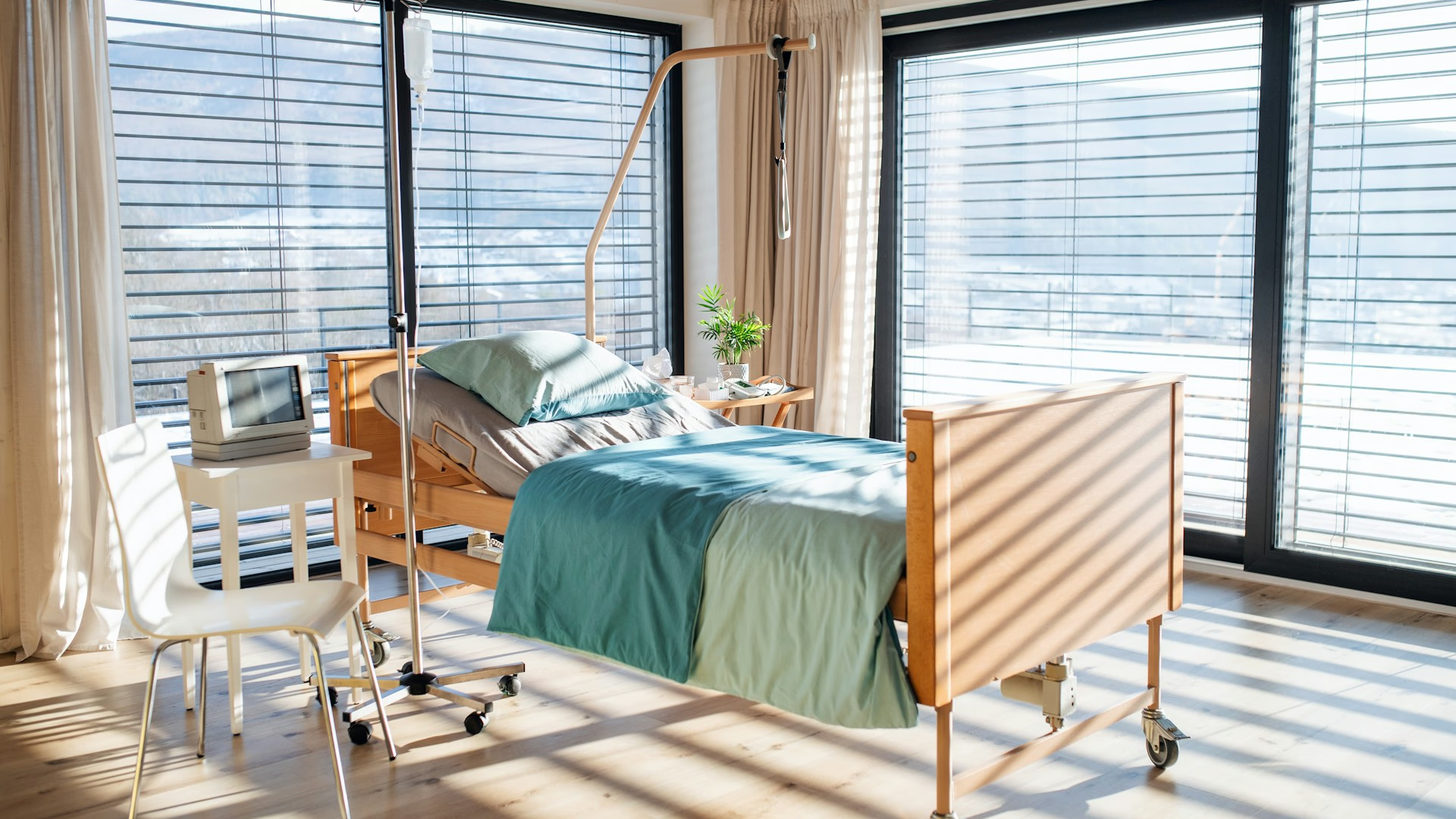
Hospital stress is not just emotional. The physical environment, its lights, sounds, and smells, triggers real physiological responses. Sensory design is emerging as a clinical tool that measurably reduces patient anxiety, not just a comfort upgrade.
Senses Shape the Patient Experience
For decades, hospital anxiety was treated as the patient’s problem. But the nervous system does not distinguish between emotional threat and sensory threat. Harsh fluorescent lighting, unpredictable alarms, and antiseptic smells are all read by the body as danger signals, regardless of what a patient is told to feel.
Up to 84% of autistic individuals experience sensory symptoms in healthcare settings, and the built environment can actively worsen that overload.
The implication extends beyond any single group: if a space can destabilize the most sensory-aware patients, it is shaping everyone else’s physiology too, just more quietly.
Real Evidence Behind the Design Shift
The data is concrete. Children placed in multisensory preoperative rooms showed significant reductions in anxiety compared to standard rooms. In a VR relaxation trial during radiotherapy, anxiety scores dropped from 18.1 to 9.2 in the intervention group, a result comparable in impact to many medications.
Low-cost changes matter too. Adjustable lighting, sound-dampening panels, and quiet rooms are within reach for most facilities and already moving the needle on patient-reported stress. For patients, the practical takeaway is simple: asking for dimmer lights, fewer interruptions, or headphones is increasingly being met with a yes.


