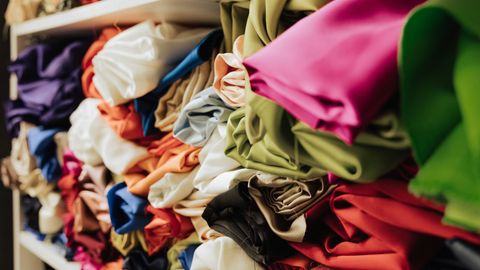
Your clothes touch your skin for hours daily, yet most contain chemicals linked to cancer, thyroid problems, and skin reactions. From formaldehyde in wrinkle-free shirts to nerve-compressing skinny jeans, your wardrobe may be silently harming your health.
Hidden Chemical Risks in Fabrics
Modern clothing manufacturing relies on thousands of chemicals to achieve wrinkle-resistance, vibrant colors, and stain-repellent finishes. Many of these substances leach directly into your skin throughout the day.
Formaldehyde resins, commonly used in permanent press and wrinkle-free clothing, are a prime example. The American Contact Dermatitis Society named formaldehyde “Allergen of the Year” due to widespread skin reactions from clothing exposure. Symptoms range from mild itching to severe rashes, particularly where fabric rubs against skin.
Perhaps most concerning are PFAS chemicals, found in flame retardants and stain-resistant treatments. These forever chemicals accumulate in your body over time. Research links PFAS exposure to kidney cancer, testicular cancer, liver and thyroid problems, and reproductive issues.
Simple Wardrobe Health Upgrades
Protecting your health doesn’t require throwing out your entire closet. Strategic choices and simple habits can dramatically reduce clothing-related risks.
Start with fabric selection. Natural, organic materials like cotton, linen, and wool minimize chemical exposure and allow your skin to breathe. When shopping, look for certifications like OEKO-TEX or GOTS that indicate lower chemical content.
How you care for clothes matters just as much as what you buy. Washing new garments before wearing them can remove up to 60% of formaldehyde and other water-soluble chemical residues. Use fragrance-free detergent if you have sensitive skin.
Pay attention to fit. If clothing leaves marks on your skin or feels restrictive, consider sizing up. Comfort isn’t just about preference, it’s about allowing proper circulation and nerve function. Smart fabric choices, proper washing habits, and fit awareness can transform your wardrobe from a potential health hazard into a health ally.