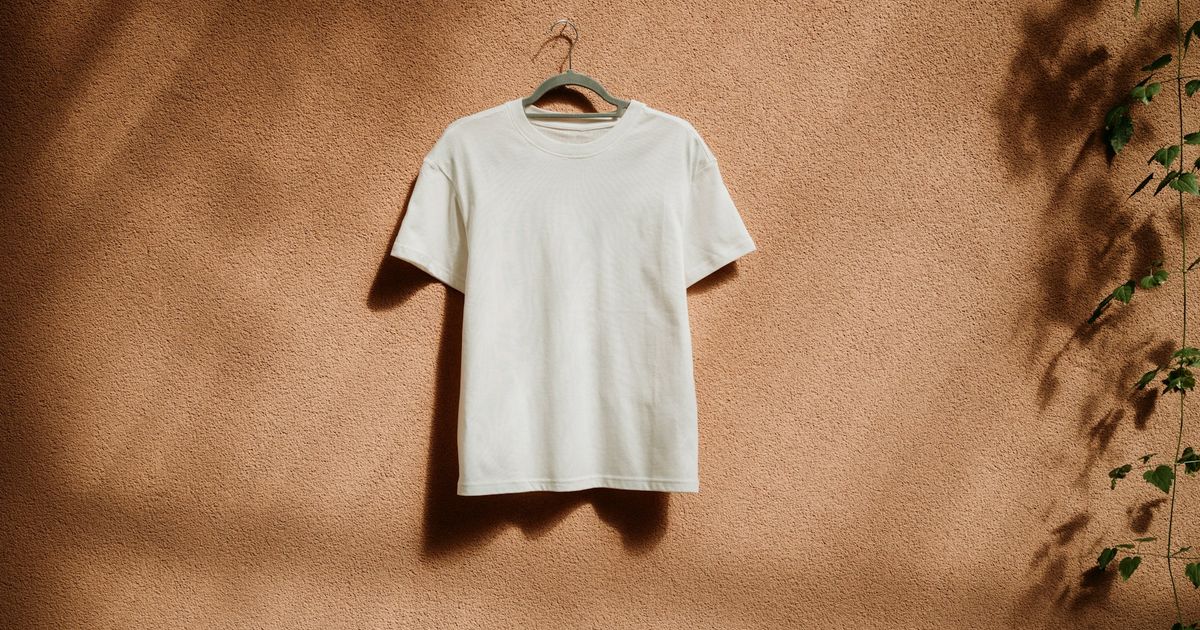

Deinfluencing content surged 158% year-over-year, and it is reshaping how people think about their wardrobes. Three converging forces made overconsumption feel tone-deaf, and a new aesthetic identity called underconsumption core has taken its place. Restraint is no longer a budget compromise - it is a style statement.
Why Overconsumption Lost Its Glamour
Three forces collided to make haul culture feel out of touch.
Economic pressure squeezed Gen Z disposable income, making massive fast-fashion orders feel financially irresponsible rather than aspirational. The fashion industry produces an estimated 92 million tons of textile waste annually, a figure now circulating widely in viral content and turning guilt into action. Audiences also grew skeptical of sponsored recommendations, exhausted by content saturation and promotional inauthenticity.
Together, these pressures did not just reduce buying. They made conspicuous consumption feel careless. The curated ten-item capsule wardrobe started looking smarter, and more stylish, than the overflowing closet.
Underconsumption Core Takes Hold
What makes underconsumption core notable is how quickly restraint became its own form of status. The aesthetic celebrates worn-in basics, thrifted staples, visible mending, and outfit repeating without apology.
Smaller slow-fashion creators with modest followings are outperforming mega-influencers in affiliate conversion and brand loyalty. Shopping-your-closet videos now rival new-purchase hauls in follower growth. The message lands the same regardless of budget: buying less can be a powerful aesthetic statement, not a compromise.