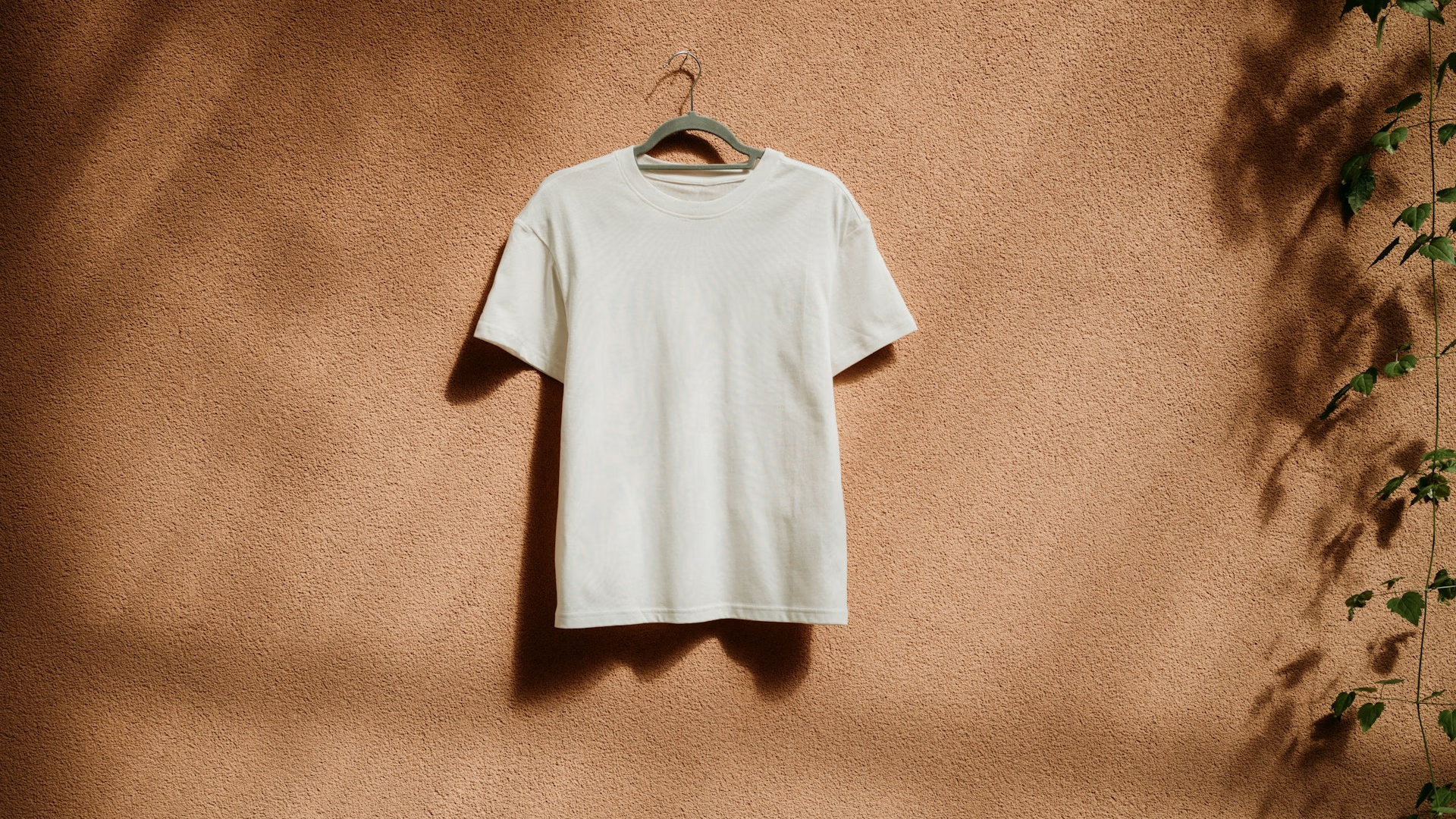
Deinfluencing content has surged 158% year-over-year, spilling well beyond beauty into fashion, home goods, and lifestyle to become a cross-category cultural reset. What started as a niche backlash against influencer marketing around 2022 has accelerated into something far more durable. The timing matters: rising living costs, mounting textile waste, and deepening influencer fatigue have converged to strip overconsumption of its aspirational shine. Fashion’s relationship with “more” is being publicly renegotiated, and the industry is scrambling to keep up.
The Scroll That Changed Everything
The numbers are striking, but the tone shift underneath them signals a real turning point.
 Photo by
 Creators who once filmed massive haul videos now film the opposite. They call out overhyped pieces, point to low-quality construction, and question whether anyone truly needs another micro-trend silhouette that’ll look dated in eight weeks.
These anti-haul videos routinely outperform traditional shopping content in saves and shares. Audiences aren’t just passively watching; they’re bookmarking restraint as a reference point. Fashion-specific deinfluencing content grew faster than nearly any other vertical, a sign that the wardrobe is where this reckoning hits hardest.
This isn’t about one viral moment. It’s a sustained shift in how social media shapes what people want to wear and, more critically, what they choose not to buy.
Why Overconsumption Lost Its Glamour
Three forces collided to make haul culture feel out of touch:
- Economic pressure: Rising cost-of-living squeezed Gen Z disposable income, making massive fast-fashion orders feel financially irresponsible rather than aspirational.
 Photo by
 -
Environmental awareness: The fashion industry produces an estimated 92 million tons of textile waste annually, a figure now circulating widely in viral content and turning guilt into action.
-
Influencer fatigue: Audiences grew skeptical of sponsored recommendations, and brands scrambled to rethink influencer marketing amid content saturation and promotional inauthenticity.
Together, these pressures didn’t just reduce buying. They made conspicuous consumption feel tone-deaf. The curated ten-item capsule wardrobe started looking smarter, and more stylish, than the overflowing closet. Proportion and texture replaced volume as markers of taste.
Underconsumption Core Takes Hold
What makes underconsumption core notable is how quickly restraint became its own form of status.
 Photo by
 The aesthetic celebrates worn-in basics, thrifted staples, visible mending, and outfit repeating without apology. It’s not about deprivation. It’s about intention.
Creators documenting wardrobe audits and outfit repeating report significantly higher engagement than traditional styling content. “Shopping your closet” videos now rival new-purchase hauls in follower growth. The silhouette stays effortless; nothing in the frame is new.
This reframes personal style as something you already own rather than something you need to acquire. Whether your budget is generous or tight, the message lands the same way: buying less can be a powerful aesthetic statement, not a compromise.
Fashion Industry Feels the Shift
Brands are responding, with mixed results.
 Photo by
 Major retailers have launched take-back, repair, and resale programs to align with shifting values. Patagonia’s Worn Wear program and Zara’s Pre-Owned platform reflect an industry-wide push to appear consumption-conscious.
But consumers are watching closely. Fast-fashion giants face growing scrutiny as audiences cross-reference sustainability claims against actual production volume. When a brand produces thousands of new styles daily, no repair program fully offsets that reality. Greenwashing is harder to hide when deinfluencing creators treat corporate claims like fact-checks.
“Brands are rethinking influencer marketing to combat content saturation and promotional inauthenticity.” The brands most likely to thrive are those offering genuine transparency, not just curated marketing language layered over the same overproduction model.
What Comes Next for Fashion
The secondhand and resale market continues to grow rapidly, with projections suggesting it could outpace fast fashion within the next few years.
 Photo by
 That trajectory is fueled directly by underconsumption values, the same energy driving deinfluencing content.
Smaller slow-fashion creators with modest followings are outperforming mega-influencers in affiliate conversion and brand loyalty. The next wave of fashion influence may belong to curators and editors, people who help you see what you already have differently, rather than haul creators pushing volume.
This isn’t a seasonal blip. The 158% surge reflects a structural change in how people relate to their wardrobes. Fashion’s next chapter will likely be written by buyers who choose less, but choose with far more care.
Deinfluencing has evolved from a reactive TikTok moment into a genuine consumer philosophy. Underconsumption core turned restraint into identity, and the fashion industry now faces a choice between real transparency and performative gestures. For anyone feeling the pull of the next trend drop, a quiet wardrobe audit could reveal that the most effortless silhouette is already hanging in your closet. The most powerful fashion statement right now is often simply choosing not to buy.