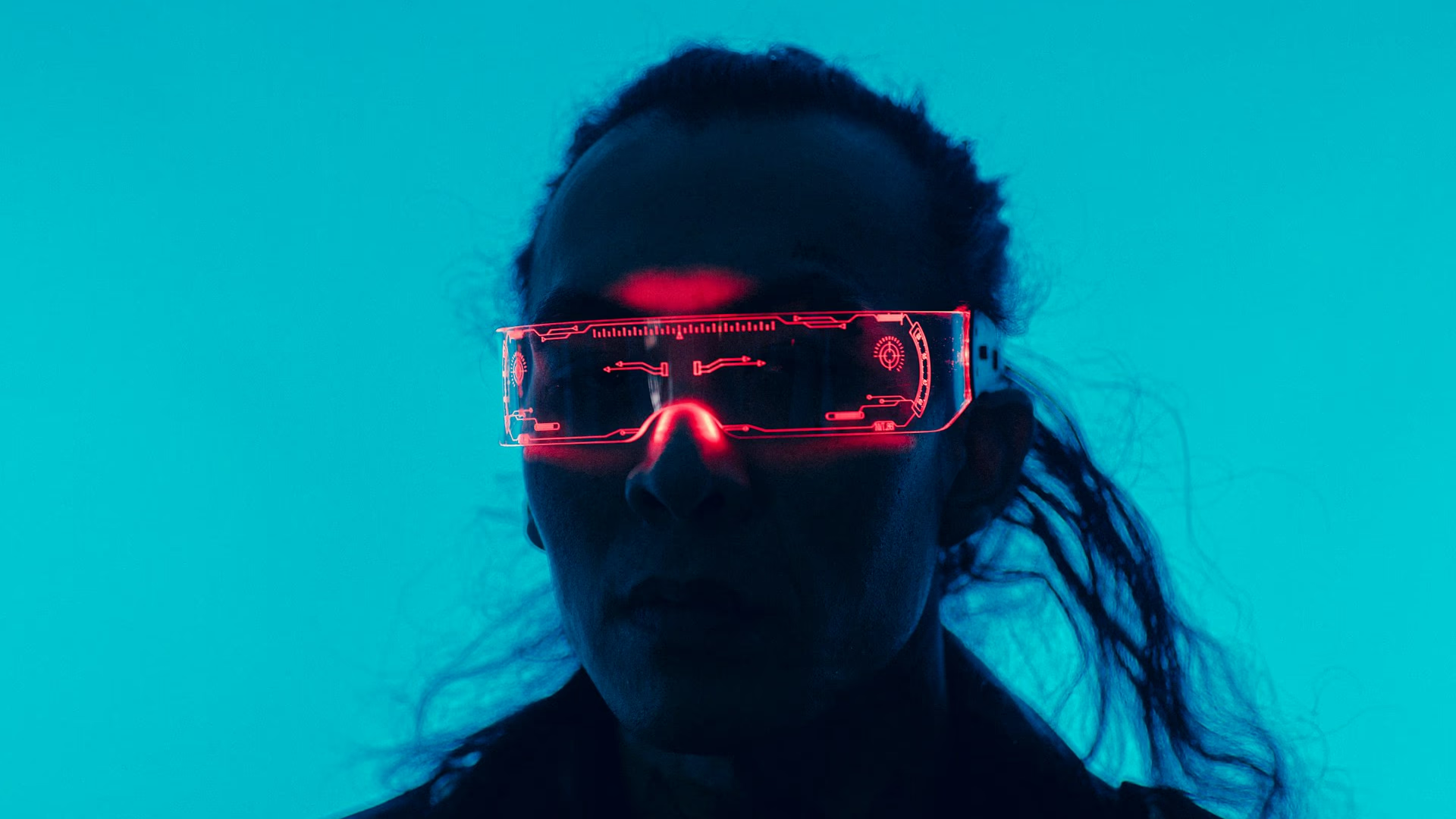

In cyberpunk worlds, gender isn’t assigned. It’s engineered, hacked, and reshaped by choice. That idea would have felt radical a decade ago. Today, as AI-driven entertainment expands and academic curricula scramble to analyze these shifts, it reads more like a baseline. Cyberpunk fiction is building a clear framework for how future storytelling will represent the full spectrum of human experience, from on-screen fluidity to interactive character creation.
Cyberpunk Redefines Gender on Screen
Characters in cyberpunk narratives routinely modify bodies and identities through technology, making gender a personal choice rather than a biological given.
 Photo by
 『Altered Carbon』 built its premise on body-swapping, turning identity into something you wear rather than something you’re born into. 『Cyberpunk 2077』 pushed further by offering gender-neutral character creation at a scale no comparable AAA open-world title had attempted before, letting players mix voice types, body shapes, and pronouns freely.
This isn’t aesthetic window dressing. Non-binary and gender-nonconforming characters are increasingly central to cyberpunk storylines, not tucked away as side characters. The result is a genre where fluidity feels natural rather than unusual. Context matters here: a large and growing share of gamers in China are women, which means these inclusive design choices are reaching massive, diverse audiences who see themselves reflected on screen.
Key ways cyberpunk is shifting the conversation:
-
Body modification as narrative norm: swapping genders is as routine as upgrading hardware
-
Player agency over identity: character creators that reject binary defaults
-
Central, not peripheral, representation: diverse characters driving the plot, not decorating it
Key Trends Reshaping Media Representation
Broader digital media is following cyberpunk’s lead.
 Photo by
 Three converging trends are accelerating how gender identity gets portrayed across platforms.
Streaming services are backing gender-diverse cyberpunk projects with real commercial confidence. 『Arcane』 and 『Sense8』 both feature nuanced, gender-diverse casts and rank among the most-discussed original series on their platforms. These aren’t niche picks. They’re hits that proved inclusive storytelling drives engagement.
Creators are also moving from tokenism to authentic co-creation. Production teams now actively consult gender-diverse communities during development, and the depth of the characters that reach screens reflects that shift.
The standout trend, though, is interactive and AI-driven media. These formats let audiences explore gender identity personally within cyberpunk worlds. Players of 『Cyberpunk 2077』 have produced millions of gender-diverse character builds, reflecting genuine demand for self-expression. A 2023 audit found that over 68% of female creators on DeviantArt classify their identity through fluid, intersectional lenses [DeviantArt], and identity-centered pieces by these creators receive 30% more engagement than purely decorative works [DeviantArt]. The audience isn’t just consuming these narratives. They’re building them.
What This Means for Media Futures
Cyberpunk’s approach to gender isn’t a passing trend.
 Photo by
 It’s a forecast. As AR, VR, and AI reshape storytelling, the genre’s gender-fluid frameworks are becoming a default template for immersive narrative design. Identity customization is already a core feature of next-generation entertainment.
Science fiction and fantasy have long served as vehicles for feminist thought, acting as bridges between theory and practice.
That bridge is exactly what cyberpunk builds well. The Wachowskis understood this with 『The Matrix』 long before mainstream culture caught up. They’re now recognized as genre-defining filmmakers whose personal journeys with gender identity shaped the DNA of their work.
For anyone who enjoys entertainment that challenges assumptions, cyberpunk offers something urgent: a space where speculative futures actively shape real-world conversations about identity, autonomy, and belonging. Studios embracing this direction now aren’t just riding a wave. They’re defining the aesthetic and ethical language of next-generation storytelling.
Cyberpunk is a proving ground for gender representation across all digital media. From fluid on-screen identities to interactive worlds where players craft their own, the genre signals that tomorrow’s storytelling will be genuinely inclusive. Whether it’s a game, a series, or a novel, exploring cyberpunk through this lens changes how digital media looks. The future of identity isn’t written in biology. In cyberpunk, it’s written in code.