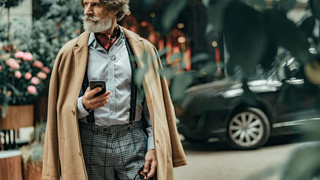
Authenticity has quietly replaced curation as the defining status signal. After a decade of matching sets and algorithm-approved aesthetics, realness has become so rare that it now reads as bold. The generation that grew up performing online is the one most aggressively rejecting performance as a measure of taste or success.
When Realness Became Rare
When everyone performs, the person who simply exists becomes the most interesting one in the room. Curated perfection became so universal that realness is now the rarest thing in the room, and rare things become valuable.
The data reflects what the rooms already show. 96% of Gen Z consumers say they shop with intention, and 66% believe purchases should reflect personal values. That same group spots hollow marketing instantly, and 64% will pay more for products that genuinely align with their ethics. Luxury brands have noticed, expanding sustainable lines by 28% in response.
This is not minimalism for aesthetics. It is a quieter philosophy: own less, but mean it.
The New Status Is Quiet
Status has not disappeared. It has been redefined. The new markers are harder to fake: things kept for a long time, choices explained without referencing a trend, and confidence that needs no external confirmation.
The person who buys one well-made chair and keeps it for twenty years now reads as more sophisticated than the one who redecorates every season. Authenticity compounds. Performance depreciates.
Choosing to show up genuinely is not a retreat from ambition. In 2026, it is the most sophisticated social move available.