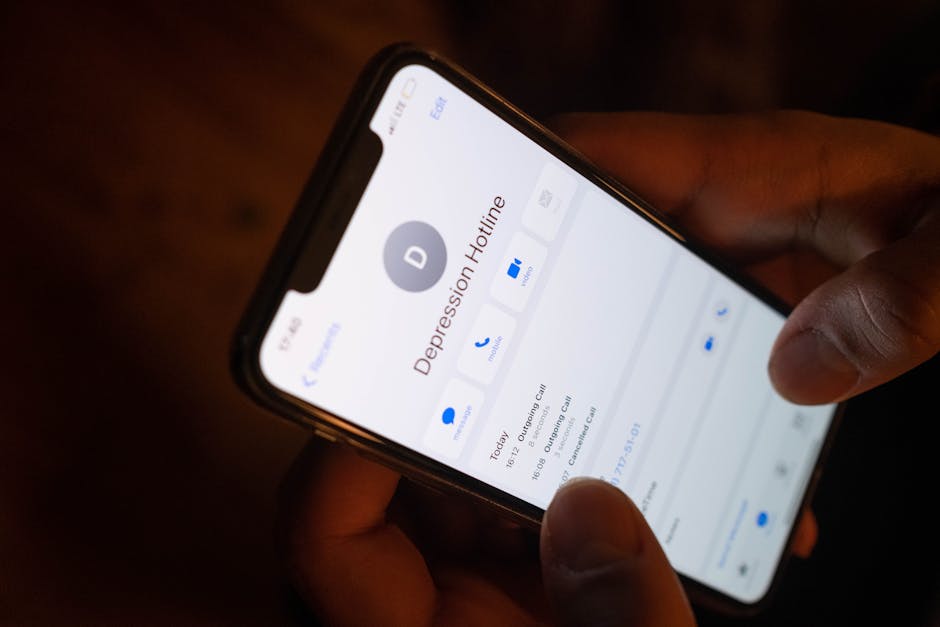
Picture this: You wake up, and before your feet even touch the floor, your hand reaches for your phone. A quick scroll through notifications reveals a work email that spikes your anxiety, a friend’s vacation photos that trigger a pang of envy, and a news headline that leaves you feeling unsettled. It’s 7:15 AM, and you’ve already experienced a rollercoaster of emotions. All before breakfast.
If this sounds familiar, you’re not alone. Our brains evolved to process the emotions of small tribal communities, not the constant stream of digital stimulation we now face. The good news? You don’t have to choose between staying connected and staying emotionally healthy. With some awareness and practical strategies, you can navigate the digital landscape while protecting your emotional wellbeing.
How Digital Overload Affects Your Emotional Health
Let’s be honest about what’s happening when we’re constantly plugged in.

Every notification, every scroll, every comparison triggers something in your brain. Research has linked heavy short-form video consumption to increased symptoms of depression, anxiety, stress, and loneliness. It’s not just about feeling distracted. It’s about how your nervous system responds to endless digital input.
When you see someone’s highlight reel on social media, your brain doesn’t automatically recognize it as curated content. Instead, it processes the comparison as if you’re falling behind in your actual social group. This triggers stress hormones, leaving you feeling inadequate without quite understanding why.
The challenge goes deeper than time spent online. Studies show that addiction-like patterns of screen use are more strongly linked to poor mental health than screen time alone. In other words, it’s not just how much you use technology. It’s how you use it and how it makes you feel. Information overload also reduces your emotional bandwidth, leaving less capacity for processing real-life feelings and nurturing meaningful relationships.
Recognizing Your Personal Digital Triggers
Here’s something important to understand: your emotional triggers are uniquely yours.
 Photo by
 The app that leaves your friend feeling inspired might leave you feeling drained. That’s why generic advice like “just use your phone less” often falls flat.
Start paying attention to how you feel after using different platforms. Which apps consistently leave you feeling anxious, inadequate, or exhausted? Which ones actually lift your mood or help you feel connected? This kind of self-awareness is powerful. Research suggests that simply becoming aware of negative usage patterns can reduce them significantly.
Timing matters too. Morning scrolling often hits harder than evening use because your cortisol levels are naturally higher when you wake up. That stressful email or comparison-triggering post first thing in the morning can set an anxious baseline for your entire day. Notice when you reach for your phone and how you feel afterward. These patterns reveal a lot about your personal relationship with technology.
Practical Techniques for Emotional Regulation
 Photo by
 The goal isn’t to abandon technology. It’s to regain control over how it affects you. Here are some approaches that many people find helpful:
Create breathing buffers. Before opening social media, try taking five slow breaths. This simple pause activates your parasympathetic nervous system and creates space between stimulus and response. It sounds almost too simple, but that’s precisely why it works.
Practice cognitive reframing. When you catch yourself comparing your life to someone’s online presence, gently remind yourself: “I’m comparing my behind-the-scenes to their highlight reel.” This mental shift doesn’t dismiss your feelings. It just provides context.
Try micro-breaks. Every 20 minutes or so, pause for 20 seconds. Check in with your body. Are your shoulders tense? Is your jaw clenched? How do you actually feel right now? These tiny interruptions prevent emotional buildup.
Set intentions before scrolling. Ask yourself, “How do I want to feel after this?” This question alone can shift you from reactive scrolling to mindful engagement. You might still open the app, but you’ll do so with awareness.
Building a Sustainable Digital Wellness Routine
Sustainable change comes from structure, not willpower.
 Photo by
 Consider creating phone-free zones. Perhaps your bedroom, the dining table, or the first hour after waking. These physical boundaries create mental space for your emotions to settle without digital interference.
Rather than checking social media constantly throughout the day, you might experiment with scheduled “connection windows.” Specific times when you engage with platforms intentionally. This batching approach can reduce background anxiety and actually improve the quality of your online interactions.
Evening routines deserve special attention. The blue light and emotional stimulation from screens can interfere with the sleep your brain needs for emotional recovery. A 30-minute wind-down before bed with blue light filters and calming content only can make a meaningful difference in how you feel the next day.
Using Technology as an Emotional Ally
Here’s a perspective that might surprise you: technology isn’t inherently the enemy.
 Photo by
 Mindless consumption is the problem. When used intentionally, digital tools can actually support your emotional health.
Mood tracking apps can reveal patterns you might miss through self-reflection alone. Maybe you consistently feel worse after certain activities or at particular times. Data can illuminate what intuition sometimes misses.
Meditation and mindfulness apps have made emotional regulation training accessible to millions of people. Research suggests that app-based mindfulness can be comparably effective to in-person training for reducing anxiety. If you’ve been curious about meditation but felt intimidated by traditional approaches, an app might be a gentle entry point.
Video calls and messaging can maintain meaningful relationships that support emotional health. The key is using them for depth rather than breadth. A genuine conversation with one close friend often nourishes you more than surface-level interactions with dozens of acquaintances.
Sustaining Balance Over Time
Emotional wellness in the digital age isn’t a problem you solve once.
 Photo by
 It’s an ongoing practice. Your needs will change. Technology will evolve. Life circumstances shift.
Consider conducting monthly digital audits. Review your screen time data and honestly assess whether your usage aligns with how you want to feel. Regular check-ins prevent the gradual drift back into patterns that don’t serve you.
Remember that digital wellness is part of holistic emotional health, not separate from it. Exercise, time in nature, and face-to-face connections all build emotional resilience that makes you less vulnerable to digital overwhelm. These offline practices don’t compete with your digital life. They complement it.
Be willing to adjust your strategies as life changes. The boundaries that work during a calm period might need revision during high-stress times. Parenting, career shifts, and relationship changes all require different approaches. Flexibility ensures sustainability.
Managing your emotions in the digital age comes down to awareness, intention, and gentle consistency. Understanding how technology affects your mental state, recognizing your personal triggers, and implementing small regulation practices can transform your relationship with the digital world.
You don’t need to overhaul everything at once. Perhaps start by noticing one trigger this week, or trying one breathing technique before your next scroll session. Small steps compound into meaningful change. Your emotional health matters more than any notification, and you have more power to protect it than you might realize.