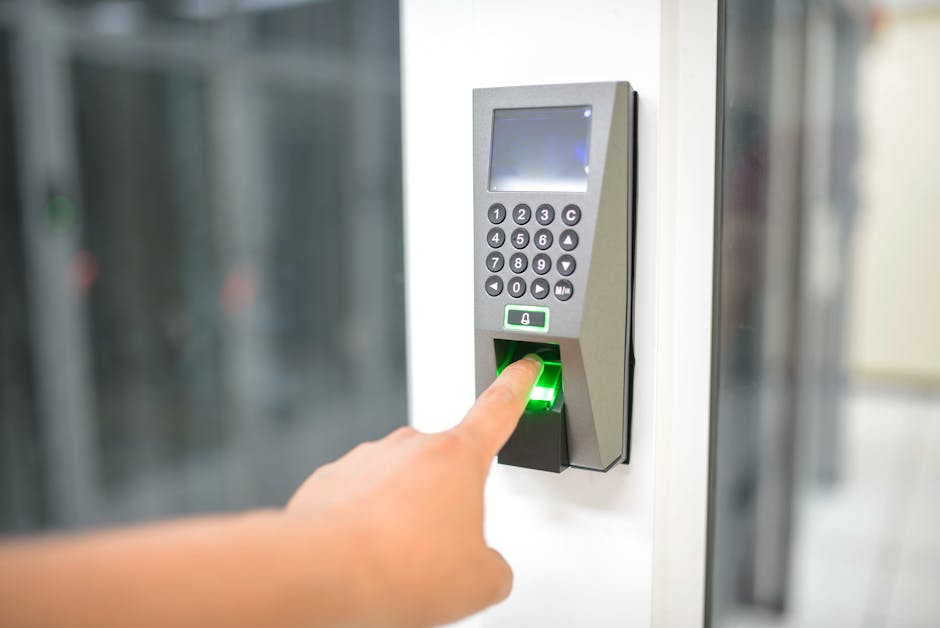
You arrive at the airport, skip the passport line entirely, and board your international flight using only your face. This isn’t science fiction. It’s happening right now at airports worldwide.
Biometric border technology is transforming how we travel internationally. Instead of fumbling for documents and waiting in long queues, facial recognition systems can verify your identity in seconds. But this convenience comes with questions about privacy and data security that every traveler should understand. Here’s what you need to know about biometric borders: how they work, where they’re being used, and how to prepare for your next trip.
How Biometric Borders Actually Work
When you approach a biometric checkpoint, cameras capture your facial geometry by analyzing up to 80 unique nodal points on your face.
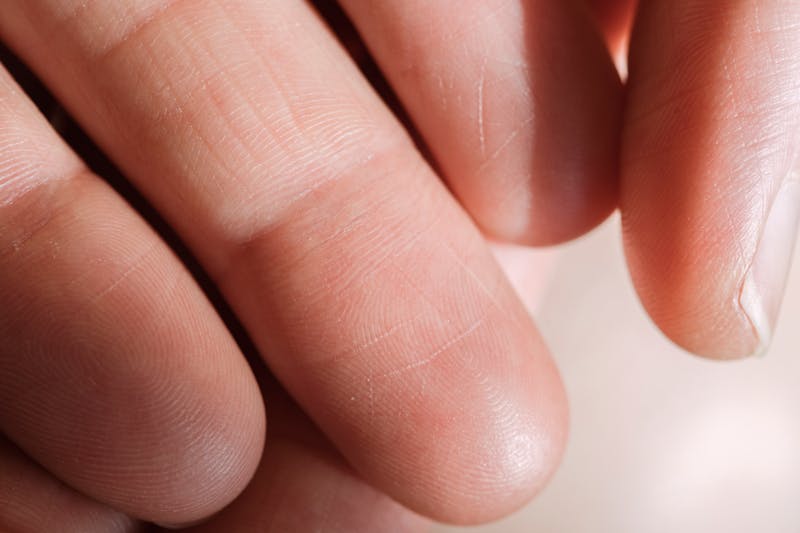
This creates a digital template that’s linked to your passport photo stored in government databases.
The matching happens almost instantly. Your live image is compared against official records in real-time, typically completing verification in under two seconds. In controlled airport environments with proper lighting, accuracy rates exceed 99 percent.
Traditional passport control processes about 120 passengers per hour. Biometric gates can handle 400 travelers in the same time, reducing average wait times by roughly 40 percent. Dubai Smart Gates, for example, process registered travelers through facial recognition in mere seconds, handling thousands of arrivals every hour [Openpr].
Facial recognition creates a faster, touchless border experience by matching your face to passport data in seconds.
Airports Leading the Biometric Revolution
A growing network of international airports has deployed end-to-end biometric systems, with North America, Europe, and the Middle East at the forefront.
 Photo by
 In the United States, biometric entry lanes are expanding rapidly. TSA’s Touchless ID program will grow from 15 to 65 airports by early 2026 [Gadget]. Major hubs including Atlanta, Los Angeles, and Miami already offer biometric boarding for international flights through partnerships between airlines and Customs and Border Protection.
Europe has taken a different approach. London Heathrow, Amsterdam Schiphol, and Frankfurt Airport use biometric gates primarily for EU and UK passport holders, with plans to expand to all nationalities. The European Entry/Exit System will collect fingerprints and facial data from non-EU travelers, fully replacing manual passport stamping by April 2026 [Statista].
The Middle East leads in deployment. Dubai International and Abu Dhabi airports offer fully biometric journeys from curb to gate, eliminating physical document checks for pre-enrolled travelers. Dubai’s Smart Tunnel uses both facial and iris recognition to clear immigration in about 15 seconds.
Major global hubs across three continents now offer biometric processing, with Dubai providing the most seamless implementation.
Privacy Concerns You Should Know
While biometric borders offer undeniable convenience, they raise significant questions about data storage, consent, and surveillance that remain largely unresolved.
 Photo by
 Most countries store biometric data for extended periods with varying transparency about access. US Customs and Border Protection retains photos of US citizens for up to 12 hours, but non-citizens’ data may be kept for up to 75 years. The lack of consistency across borders makes it difficult to know exactly what happens to your information.
Consent is another thorny issue. Travelers often can’t opt out of biometric collection at borders, and many don’t realize their data is being captured at all. A 2023 survey found that 68 percent of travelers didn’t know their biometric data was retained after travel.
There are also accuracy concerns. Facial recognition error rates vary by demographic, with studies showing higher error rates for women and people of color. These technical limitations can lead to delays or secondary screening for some travelers.
Spain’s data protection authority fined airport operator AENA over €10 million in November 2024 for facial recognition systems that used problematic identification methods [Statista].
Biometric systems collect and store your facial data with limited transparency, consent options, or accuracy guarantees across all demographics.
Beyond Borders: Travel Industry Adoption
Biometric technology is spreading far beyond immigration checkpoints into hotels, car rentals, and cruise lines.
 Photo by
 This creates integrated travel experiences with centralized data collection.
Major hotel chains like Marriott and Hilton are testing facial recognition check-in, allowing guests to bypass front desk interactions entirely. Early pilots have reduced lobby wait times by up to 70 percent in test properties.
Cruise lines including Carnival and Royal Caribbean now use facial recognition for boarding, cabin access, and onboard purchases throughout voyages. Your face becomes your wallet, room key, and identification all in one.
This convergence creates a broader ecosystem of biometric data. Your facial information may be shared across airlines, immigration authorities, hotels, and vendors. Often this happens under existing terms of service agreements that most travelers never read closely.
The global automated border control market reflects this expansion, valued at $1.79 billion in 2024 and projected to reach $7.01 billion by 2032 [Statista]. The airport biometrics market alone is expected to hit $3.25 billion in 2025 [Piernext].
Biometric technology is spreading throughout the travel ecosystem, creating convenience but also expanding data collection beyond government control.
Preparing for Your Biometric Journey
You can take practical steps to understand biometric systems and navigate the new border experience effectively.
 Photo by
 First, research your destination country’s biometric policies before travel. Look into data retention periods and whether opt-out rights exist. The UK, for instance, has issued nearly 20 million electronic travel authorizations using biometric technology in just two years [Gadget]. Knowing what systems you’ll encounter helps you prepare.
Physical preparation matters too. Remove sunglasses, hats, and heavy makeup at biometric checkpoints to help accurate scanning. Accessories cause about 15 percent of verification failures that require manual intervention, potentially slowing you down.
Consider enrolling in trusted traveler programs like Global Entry, NEXUS, or the EU’s Registered Traveller scheme. These programs offer faster biometric lanes with pre-vetted status, often making the enrollment process worthwhile for frequent travelers.
Finally, stay informed about your rights. GDPR in Europe and state privacy laws in the US provide some recourse options. You can request information about how your data is used and stored, and file complaints with data protection authorities if you have concerns.
Understanding biometric policies, optimizing your appearance for scanning, and knowing your rights helps you navigate the new border reality.
Biometric borders offer unprecedented speed and convenience, but they come with privacy trade-offs worth considering. As facial recognition spreads beyond immigration into hotels, cruise ships, and beyond, understanding how your data is collected, stored, and shared becomes increasingly important.
Before your next international trip, take a few minutes to research the biometric policies at your departure and arrival airports. Your face is becoming your passport. It’s worth understanding the terms of that transaction.