Marcus thought he was helping when he shared that shocking health study on Facebook. Within hours, dozens of friends had reshared it. The problem? The study was completely fake.
This happens to nearly everyone. 86% of people worldwide encounter fake news [2]. False stories reach 1,500 people six times faster than true ones.
But here’s the good news: You don’t need a journalism degree to spot fake information. Simple techniques work.
Why Lies Travel Faster Than Truth
False information has a superpower. It spreads incredibly fast.
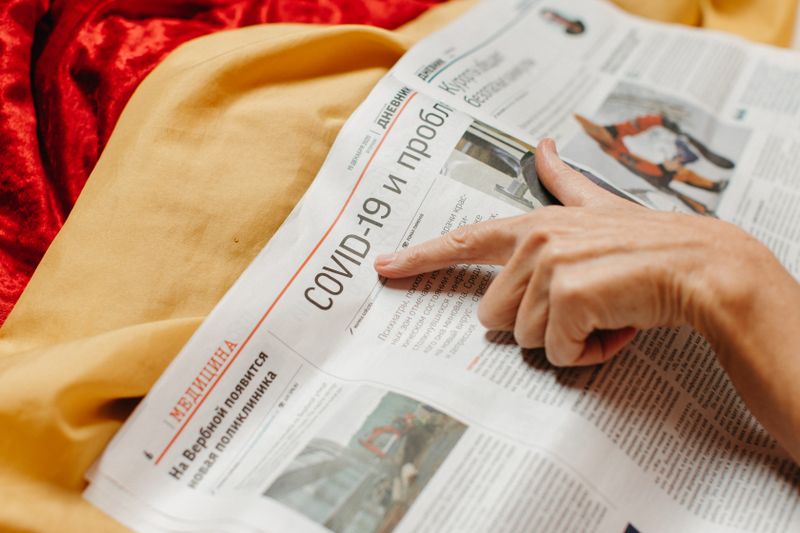
True news moves steadily through social networks. Misinformation rockets through feeds like wildfire. This isn’t accidental, our brains are wired for it.
Emotional content spreads twice as fast as facts. Remember that post that made your blood boil? Did you fact-check before sharing? Or did anger make you hit ‘share’ immediately?
Most people choose speed over verification when emotions spike.
Deepfakes make this worse. In 2023, we saw three times more video deepfakes and eight times more voice deepfakes than in 2022 [1]. About 500,000 fake videos and voices flooded social media globally.
You can’t trust your eyes and ears anymore.
Here’s your defense: When content triggers strong emotions, slow down. The more urgent something feels, the more you need to verify.
Patterns That Expose Fake News
Spotting misinformation is like recognizing spam emails.
 Photo by Kübra Arslaner on Pexels
You just need to know the patterns.
Visual Red Flags
Headlines in ALL CAPS are three times more likely to be false. Real news sources don’t shout at readers.
Watch for impostor sites like ‘CNN-News.com’ or ‘BBC-Breaking.net’. They steal familiar branding to look credible.
The Domain Age Trick
Checking when a website was created stops 60% of fake news. New sites mimicking established sources? Red flag.
The three-second source check catches 80% of misinformation. Just:
-
Check the URL
-
Verify the site name looks legitimate
-
Notice emotional manipulation in headlines
Practice makes these checks automatic. You’ll build a mental firewall against false information.
Five Questions That Kill Fake News
Critical thinking follows a system. These five questions eliminate 90% of false information.
 Photo by Greta Hoffman on Pexels
Question 1: Who Benefits?
This cuts through manipulation instantly. If a story makes you angry at a specific group, ask who gains from your reaction.
Question 2: What’s the Evidence?
Real stories name sources and experts. Fake news uses vague phrases like ‘experts say’ without naming anyone.
Question 3: Is This Source Credible?
A random blog differs from a peer-reviewed journal. Know your source’s track record.
Question 4: Why Now?
Misinformation resurfaces during elections and crises. Timing reveals intent.
Question 5: Does This Confirm My Beliefs?
We love information that supports our views. The most dangerous lies feel true because they match our biases.
Tech Tools That Boost Detection
Technology amplifies your detection abilities.
Browser Extensions
NewsGuard provides real-time credibility ratings with 85% accuracy.
 Photo by Andrea Piacquadio on Pexels
Install it once. It flags questionable sources automatically while you browse.
Reverse Image Search
40% of fake photos come from other contexts. Right-click any suspicious image. Select ‘Search Google for image.’ You’ll often find the photo is years old or digitally altered.
Fact-Checking Sites
Snopes, FactCheck.org, and PolitiFact have investigated most viral claims. Search key terms from suspicious content. These sites explain why something is false, teaching you the tactics.
Combine multiple tools for best results. A story passing one check might fail another.
Build Verification Habits That Stick
Knowledge without practice stays theoretical.
 Photo by Joshua Miranda on Pexels
People who use three verification techniques cut their misinformation sharing by 60%.
The 30-Day Challenge
Pick one technique. Maybe the five-question framework. Apply it to everything you might share for 30 days.
Don’t verify everything you read. Focus on content you’d share or act on. This prevents fatigue while building the crucial habit.
Teach to Learn
Explaining misinformation techniques to others doubles your detection accuracy. The ‘explanation effect’ reinforces your learning.
Share techniques, not corrections. This avoids defensive reactions.
Track Your Progress
Notice how often you pause before sharing. First, you’ll catch yourself after sharing. Gradually, you’ll question content before acting.
This shift from reactive to proactive marks real change.
Your Next Steps
Misinformation needs speed and emotion. Critical thinking defeats both.
The three-second check, five questions, and tech tools prevent 80% of false information from spreading through your network.
 Photo by cottonbro studio on Pexels
These aren’t academic concepts. They’re practical skills that become automatic.
Start with one manageable technique. Install a browser extension. Ask ‘who benefits?’ before sharing.
Perfect detection isn’t the goal. Significant improvement is.
When false information travels faster than truth, your verification makes you the solution.