
The rain begins as something beautiful. On the hill, in the glass house with its clean angles and its manicured lawn, Mr. and Mrs. Park sit outside and let the sound of it settle over them like a gift. The air smells clean. The garden drinks. This is weather as luxury - something to be appreciated, to be remarked upon the next morning over coffee.
Below, the water is finding its way downhill. It always does. The Kims run through narrowing streets, through gutters swelling past their banks, descending the same geography they have been descending their whole lives. They reach the semi-basement and the water is already inside, rising across the floor, lifting the small objects of their small life and carrying them toward the drain. They gather what they can. Then they go to sleep in a gymnasium with hundreds of others who also live at the bottom of hills.
The next morning, Mrs. Park calls. She is planning an impromptu birthday party. She mentions, brightly, how lovely the rain was. How it cleared the air.
The same storm that washed one family’s world away gave another family a nice evening.This is the scene that stays. Not because it is cruel - Mrs. Park is not cruel, and that is precisely the point. She is simply standing somewhere else. The rain fell on her from above. It arrived at the Kims from every direction at once. Same city. Same night. Same water. The difference was only elevation, and elevation was only money, and money was only the shape the world had been poured into before any of them arrived.
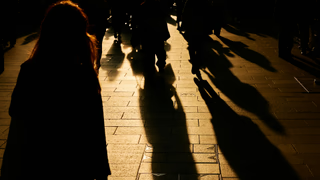
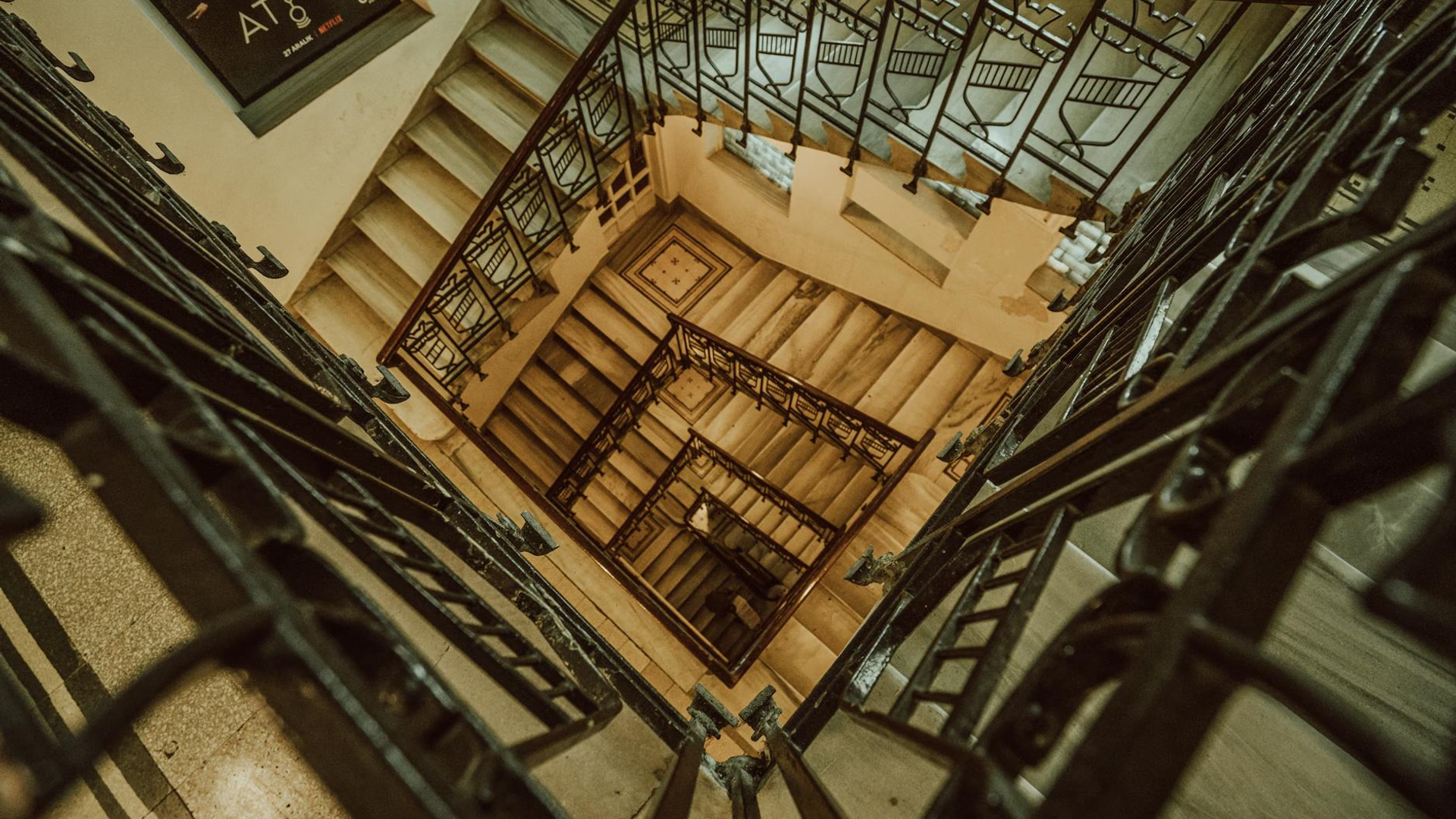
There is a kind of violence that requires no villain. It runs on geography instead, on the tilt of a street, on the height of a window, on who gets to watch the rain fall and who has to run from it. We move through these gradients every day without naming them. The sidewalk widens. The trees get older. The sounds change. Your body knows before your mind catches up.
What the rain scene offers is not outrage. It is something quieter and harder to dismiss - the image of two phone calls happening in the same world and reaching entirely different places. One family drying out their belongings on a gymnasium floor. One woman planning a party, pleased about the weather.
Notice, the film says. Not guiltily. Not righteously. Just - notice the grade of the ground beneath you. Notice who absorbs the rain and who watches it fall. That noticing costs almost nothing. But there is a version of yourself that has never done it, and that version moves through the world with something missing, something that looks, from a certain angle, a little like sight.