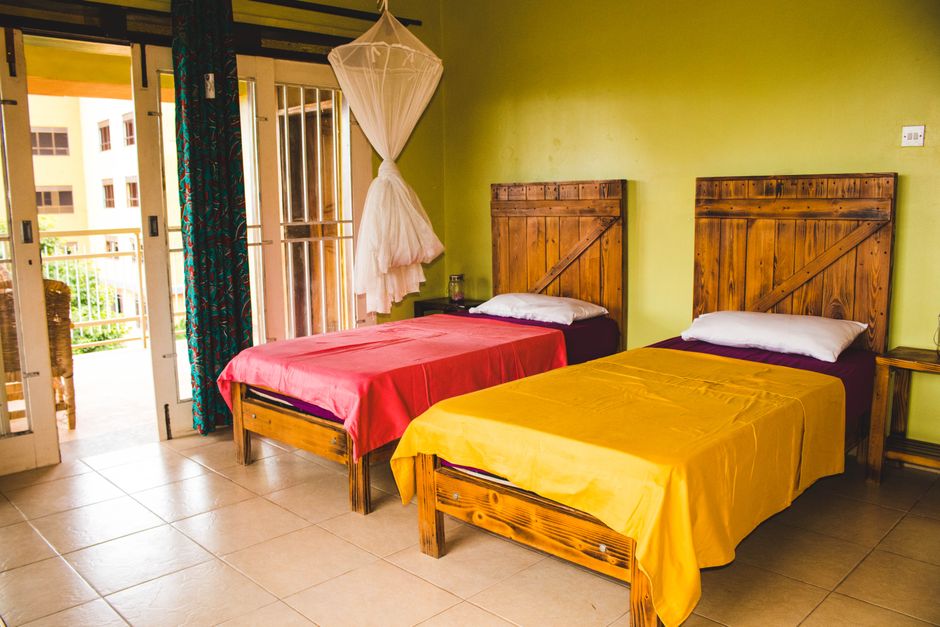
Picture this: you’ve just returned from a week-long vacation, yet you feel more exhausted than when you left. The packed itinerary, early flights, unfamiliar beds, and late-night adventures have left you craving another vacation just to recover. Sound familiar?
This common paradox has sparked a quiet revolution in how we think about travel. Instead of cramming in sights and experiences, a growing number of travelers are now booking trips with one primary goal: sleep. Welcome to sleep tourism, where the destination isn’t a landmark or a beach. It’s your pillow. With one-third of adults chronically sleep-deprived, this emerging travel trend transforms vacations from exhausting checklists into science-backed wellness experiences focused entirely on quality rest and recovery.
What Sleep Tourism Really Means
Sleep tourism might sound like an oxymoron.

After all, can’t you sleep at home for free? But that’s precisely the point. Most of us can’t sleep well at home. Between work stress, screen time, noisy neighbors, and the endless mental to-do lists, quality rest has become surprisingly elusive.
This new travel category offers something different: curated experiences designed specifically around rest. We’re talking sleep consultations with certified specialists, rooms optimized for circadian rhythms, and recovery-focused activities that prepare your body for deep, restorative slumber.
Unlike traditional wellness travel where a spa treatment or yoga class might be one item among many, sleep tourism makes rest the main attraction. Guests often track their sleep metrics throughout their stay, following structured programs designed by sleep scientists. The goal isn’t just to feel relaxed. It’s to fundamentally improve how you sleep, both during your trip and long after you return home.
The wellness tourism sector has shown remarkable resilience. Japan experienced a 37.1% year-over-year increase in accommodation stays in 2023, reflecting a broader shift in traveler priorities toward health-focused experiences.
Hotels Designed for Deep Sleep
Leading hotels have recognized this shift and are responding with serious investments in sleep science.
 Photo by
 Forget the standard pillow menu. Today’s sleep-focused properties engineer every environmental factor to optimize your REM cycles.
Premium properties like Park Hyatt New York offer dedicated sleep suites featuring blackout technology, precise temperature control, and acoustic engineering that blocks urban noise. These rooms often cost $1,000 or more per night, but they’re consistently booked by travelers who’ve calculated that quality sleep is worth the premium.
The innovation extends beyond luxury brands. Hotels are partnering with sleep technology companies to offer AI-powered mattresses that adjust firmness and temperature throughout the night based on your heart rate, breathing patterns, and movement. Some properties provide sleep trackers and personalized assessments, treating your stay like a clinical intervention rather than a simple hotel booking.
Even the amenities reflect this focus: weighted blankets, extensive pillow selections, aromatherapy diffusers, white noise machines, and sleep-inducing herbal teas. London’s Zedwell Piccadilly Circus hotel has built its entire concept around sleeping pods, earning perfect 10/10 ratings from guests who praise the innovative accommodations. The market for sleeping pods continues to expand, signaling strong demand for these specialized rest environments.
Destinations Promoting Rest and Recovery
Geography plays a surprising role in sleep quality.
 Photo by
 Certain destinations use natural advantages like altitude, climate, and minimal light pollution to position themselves as sleep tourism hubs.
Alpine regions have long promoted the benefits of mountain air. Swiss clinics combine high-altitude stays with sleep therapy protocols, arguing that thinner air may improve sleep quality over time. The crisp, clean environment and dramatic reduction in urban stimuli create conditions many find conducive to deeper rest.
Coastal destinations take a different approach, emphasizing circadian rhythm reset through natural light exposure. Maldives resorts design daily schedules around sunrise and sunset, helping guests regulate melatonin production naturally rather than through supplements. The rhythmic sound of ocean waves provides natural white noise that many find more soothing than any machine.
Remote locations offer perhaps the most dramatic sleep benefits. Iceland attracts what some researchers call “circadian tourists” who are fascinated by the country’s extreme light patterns. The summer midnight sun and winter darkness provide unique opportunities to study and reset internal body clocks. Europe in particular has embraced these innovative sleep solutions, with sleeping pods gaining ground across the continent.
Science-Backed Sleep Enhancement Programs
The most effective sleep tourism experiences go beyond comfortable beds and quiet rooms.
 Photo by
 They integrate clinical sleep science, offering assessments, education, and personalized protocols that guests can maintain long after checkout.
Programs typically begin with sleep assessments. These might include detailed questionnaires about sleep habits, analysis of wearable device data, and sometimes even polysomnography testing, the same diagnostic tool used in medical sleep labs. Spain’s SHA Wellness Clinic, for example, offers medical-grade sleep studies during guest stays, providing clinical insights into individual sleep architecture.
Education forms a key component. Workshops cover topics like blue light management, optimal sleep timing based on chronotype, and evidence-based relaxation techniques. Guests learn the science behind why certain habits help or hinder sleep, empowering them to make informed choices.
Personalized protocols round out the experience. Nutritionists design menus featuring tryptophan-rich foods and magnesium-heavy ingredients known to support sleep. Exercise schedules are calibrated to individual circadian rhythms: vigorous activity in the morning, gentle movement in the evening. Relaxation techniques are tailored to each guest’s preferences and stress patterns.
The global thermal spa and wellness market reflects this growing sophistication, with analysts expecting sustained expansion in the years ahead.
Planning Your Own Sleep Retreat
Ready to prioritize rest on your next trip?
 Photo by
 A few strategic choices can transform an ordinary vacation into a genuine sleep retreat.
First, choose accommodations with documented sleep programs, not just wellness amenities marketed with sleep-friendly language. Look for partnerships with sleep specialists or certified sleep coaches on staff. Read reviews specifically mentioning sleep quality, not just general comfort.
Timing matters as much as location. Consider planning your trip during a low-stress period when you can truly disconnect from work obligations. Sleep experts recommend allowing at least four to five nights for meaningful circadian adjustment. Shorter stays may feel relaxing but rarely produce measurable improvements in sleep architecture.
It can help to set clear boundaries before you go. Limit screen time, decline overscheduled activities, and communicate your rest priorities to travel companions. Successful sleep tourists treat rest time as non-negotiable appointments, not optional extras to squeeze in between excursions.
Finally, plan to bring practices home. The real value of sleep tourism lies not in one week of great sleep, but in the habits and knowledge you carry forward. Maintain the sleep schedules you establish, replicate environmental conditions where possible, and continue tracking your sleep metrics. Post-retreat consistency determines whether improvements last beyond vacation.
Sleep tourism addresses modern exhaustion through thoughtfully engineered environments, science-backed programs, and destinations designed specifically for recovery. The best experiences provide tools and knowledge that extend benefits long after you check out.
Consider whether your next trip could prioritize rest over rush. Your body and mind may thank you for choosing sleep over sightseeing. In a world that glorifies busyness, dedicating a vacation to rest might just be the most radical and restorative form of self-care.