Picture yourself in 2035, scanning grocery store shelves. The rice you’ve cooked for decades costs three times what it did in 2024. Wheat flour? It’s a luxury item now, reserved for special occasions.
This isn’t science fiction, it’s where we’re headed. Climate change is reshaping what ends up on our plates faster than most realize. But here’s the surprising part: the foods replacing our old staples are often better for us.
Building a climate-resilient kitchen isn’t about sacrifice. It’s about discovering ingredients that help you feed your family well, no matter what environmental curveballs come.
Your Kitchen in 2035
The comfort foods of today face an uncertain future.

Traditional crops like wheat and rice will see major yield declines in key growing regions over the next decade. Heat stress and water scarcity are intensifying in areas that have fed the world for generations. Everyday staples could become occasional treats, priced accordingly.
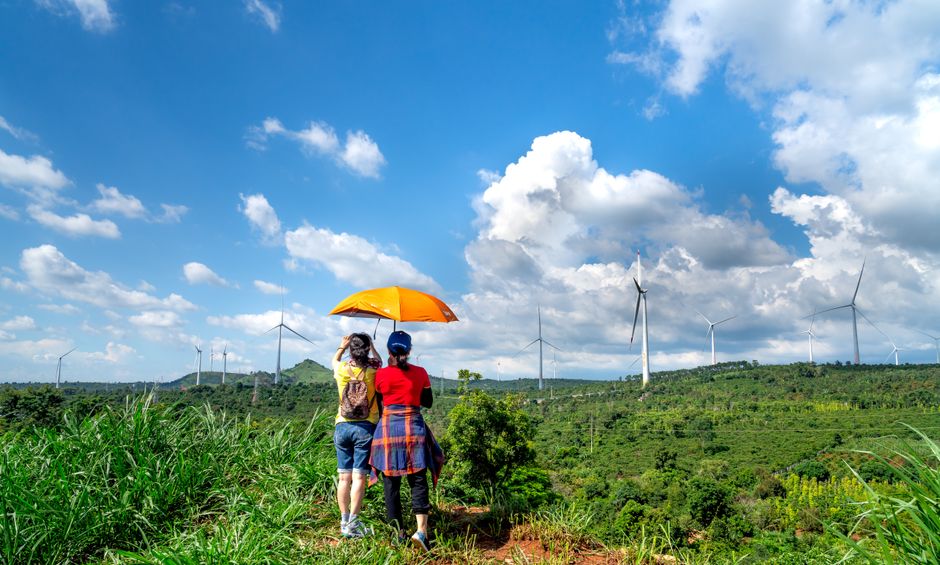
But nature, and human ingenuity, abhors a vacuum. As conventional agriculture struggles, new growing methods are filling the gap. Vertical farms and controlled-environment agriculture already produce fresh greens and herbs in urban warehouses. These indoor operations use 95% less water than field farming and eliminate weather-related crop failures. By 2035, these facilities could supply nearly half the fresh produce in major cities.
The shift goes deeper than where food grows. Entirely new ingredient categories are moving from experimental to essential. The question isn’t whether your kitchen will change, it’s whether you’ll be ahead of the curve or scrambling when disruptions hit your local stores.
The New Staples Emerging
Walk into a forward-thinking kitchen today and you’ll spot ingredients that seemed exotic a decade ago.
 Photo by
 Ancient grains like teff, fonio, and amaranth are claiming shelf space once dominated by wheat and rice. These aren’t trendy alternatives, they’re climate survivors that thrive in drought while delivering complete proteins. They need roughly half the water of conventional grains.
The protein revolution is even more dramatic. Insect protein, algae, and precision-fermented proteins offer emissions reductions up to 90% compared to conventional meat[3]. Cricket flour packs more iron than spinach and more calcium than milk, gram for gram. It sounds radical until you remember most world cultures have eaten insects for millennia, we’re the outliers.
Sea vegetables represent another frontier. Kelp grows up to two feet per day, needs zero freshwater, no fertilizer, and no land. It’s a nutritional powerhouse that thrives in ocean environments becoming too warm for many fish species. Perennial vegetables that don’t need annual replanting are also gaining ground. These hardy plants reduce soil disruption and provide reliable harvests year after year.
These aren’t substitutes for what we’re losing, they’re often nutritional upgrades that happen to be far more resilient to climate chaos.
Cross-Industry Kitchen Innovation
The transformation of our food system isn’t happening in isolation.
 Photo by
 Tech companies, biotech firms, and traditional food producers are converging in unexpected ways, creating tools that bring climate-resilient food production directly into home kitchens.
AI-powered meal planning apps now do more than suggest recipes based on what’s in your fridge. They factor in regional climate projections and ingredient availability forecasts, adjusting recommendations based on real-time supply chain and weather data. If drought threatens tomato crops in California, the app steers you toward alternatives before prices spike. It’s like having a food systems analyst working behind the scenes.
On the hardware side, home fermentation systems and countertop bioreactors are democratizing food production that once needed industrial facilities. Devices now on the market can produce spirulina, a protein-rich algae, or koji in 48 hours with minimal energy. It’s like having a tiny, efficient farm on your counter.
These innovations aren’t just for tech enthusiasts. They’re becoming practical tools for anyone who wants more control over their food supply in an unpredictable world.
Practical Swaps You Can Make
You don’t need to overhaul your entire diet overnight.
 Photo by
 Strategic substitutions create immediate impact while building new habits gradually.
Start with grains. Replace half your rice with quinoa, millet, or sorghum. These swaps maintain familiar textures and cooking methods while cutting your water footprint by about 40%. Your taste buds adjust within a few meals, and you’ll probably prefer the nuttier flavors and varied textures.
Protein swaps offer even greater environmental returns. Substitute one beef meal per week with mushroom-based proteins or legumes, and you’ll reduce your personal emissions by roughly 8%. Oyster mushrooms provide that satisfying meaty texture and umami flavor with 99% less land use than beef. They’re not trying to be beef, they’re delicious in their own right.
Stock your pantry with shelf-stable climate-resilient ingredients: dried seaweed, lentils, canned jackfruit. These items have shelf lives of 2-5 years and maintain their nutrition through supply disruptions. When fresh options are limited or expensive, you’ll have reliable backup plans ready.
The key is starting small. One swap per week builds a resilient diet without overwhelming your routine or your family’s palate.
Building Your Resilient Pantry
A climate-resilient pantry operates on a simple principle: diversity equals security.
 Photo by
 Stock at least 8-10 different protein sources, legumes, seeds, nuts, and alternative proteins. When single-crop failures disrupt conventional supply chains, you’ll have options instead of empty shelves.
Storage strategy matters as much as ingredient selection. Invest in proper airtight containers and learn basic preservation techniques: fermentation, dehydration, pressure canning. These skills extend seasonal abundance and reduce dependence on energy-intensive cold chains. A well-preserved pantry turns summer’s tomato glut into winter’s pasta sauce, giving you control over your food supply year-round.
Build relationships with local producers experimenting with climate-adapted crops[1]. CSA programs increasingly feature experimental varieties bred for heat and drought tolerance. You’ll get early access to emerging ingredients while supporting the farmers developing solutions to our food challenges. These connections also provide valuable knowledge about what grows well in your specific region.
Knowledge becomes as valuable as the food itself. Understanding which ingredients store well, how to substitute when supplies shift, and how to prepare unfamiliar foods gives you flexibility that no amount of stockpiling alone can provide.
The climate-resilient kitchen embraces new staples, uses technology, and prioritizes diversity. These changes aren’t sacrifices, they’re upgrades that help ensure nutrition security while often improving health outcomes and reducing environmental impact.
The future of food is already here, appearing on innovative restaurant menus and in forward-thinking home kitchens. Start this week: make one ingredient swap, research one climate-resilient food you’ve never tried, and assess your pantry diversity. The transition feels unfamiliar at first, but so did sushi to Americans in the 1970s. Now it’s everywhere.
Your 2035 kitchen is waiting to be discovered, one ingredient at a time.
📘 General Information: This content is for general informational purposes only. It may not apply equally to all situations, please seek professional advice when needed. Use it as a helpful reference and apply what feels relevant to you.