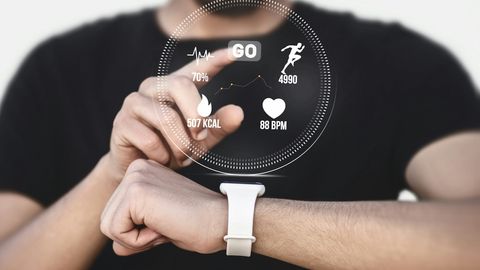
Professional athletes now face a stark choice: submit to 24/7 biometric monitoring or lose their contracts. Teams track everything from sleep patterns to sexual activity indicators, claiming permanent ownership of biological data with minimal oversight or athlete consent.
The Athlete Who Said No
Contract clauses in professional sports have quietly transformed. NBA and NFL teams increasingly require players to wear devices that track sleep, heart rate, and location around the clock. Not just during games or practice, but 24/7.
Players who decline monitoring face fines, reduced playing time, or outright contract termination. Several cases have emerged where athletes lost roster spots simply because they pushed back against tracking requirements.
The message is clear: biometric compliance is becoming non-negotiable. For athletes, the choice often boils down to surrendering privacy or surrendering their career.
The Ownership Question Nobody Asks
Here’s what most athletes don’t realize: contracts often grant teams permanent ownership of biological data without clear limits on usage or resale.
Most agreements lack provisions for data deletion after employment ends. There are rarely restrictions on third-party sales. Legal experts warn this creates potential for data monetization without athlete consent. No federal laws specifically protect athlete biometric data from commercial exploitation.
The implications extend beyond individual careers. Biometric data could affect future insurance coverage, employment opportunities, or end up sold to research firms. An athlete’s heart rate variability from their playing days might follow them for decades.