


Picture this: A professional athlete walks into their team’s front office and refuses to wear a biometric tracking device. Within weeks, their contract is terminated. No injury. No performance issues. Just a simple “no” to constant monitoring.
This scenario isn’t hypothetical. Teams now claim ownership over biological data as part of standard player agreements. What started as performance optimization has evolved into something far more invasive. The athletes generating this data have surprisingly little say in where it goes or who profits from it.
The Athlete Who Said No
Contract clauses in professional sports have quietly transformed.
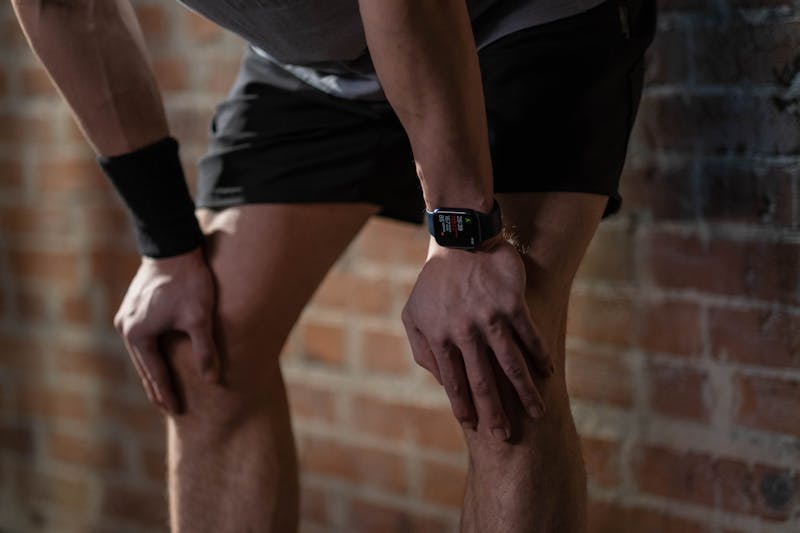
NBA and NFL teams increasingly require players to wear devices that track sleep, heart rate, and location around the clock. Not just during games or practice, but 24/7.
Refusal comes at a steep price. Players who decline monitoring face fines, reduced playing time, or outright contract termination. Several cases have emerged where athletes lost roster spots simply because they pushed back against tracking requirements.
The message is clear: biometric compliance is becoming non-negotiable. For athletes, the choice often boils down to surrendering privacy or surrendering their career.
What Teams Really Track
Modern biometric systems go far beyond counting steps or measuring sprint speed.
 Photo by
 These devices monitor sleep patterns, stress hormones, hydration levels, and even indicators that can reveal sexual activity. Some systems track galvanic skin response and body temperature fluctuations throughout the day.
GPS tracking adds another layer. Teams monitor off-field locations and create detailed movement profiles of athletes’ personal lives. They can access real-time location data, raising serious questions about where performance optimization ends and surveillance begins [Schjodt Privacy].
As one privacy expert noted, “A lot of the facial recognition technology is happening without our knowledge” [Schjodt Privacy]. The same principle applies to biometric wearables that athletes are required to use.
The Ownership Question Nobody Asks
Here’s what most athletes don’t realize: contracts often grant teams permanent ownership of biological data without clear limits on usage or resale.
 Photo by
 Most agreements lack provisions for data deletion after employment ends. There are rarely restrictions on third-party sales. Legal experts warn this creates potential for data monetization without athlete consent. No federal laws specifically protect athlete biometric data from commercial exploitation [Kesq].
The implications extend beyond individual careers. Biometric data could affect future insurance coverage, employment opportunities, or end up sold to research firms. An athlete’s heart rate variability from their playing days might follow them for decades.
Your Body, Your Choice
Change is possible, but it requires collective action.
 Photo by
 Player associations can negotiate data ownership clauses, deletion rights, and prohibitions on third-party sales. Some European leagues have already implemented stronger biometric data protections under GDPR, proving that athlete privacy and competitive sports can coexist.
Individual athletes can also take steps. Consider requesting full access to your data. Understand how it’s stored and who can see it. Consulting legal counsel before signing agreements with biometric requirements can help protect your interests.
Transparency about what’s collected and how it’s used is the first step toward protection. Collective bargaining and individual vigilance together create the foundation for meaningful change.
Biometric tracking in sports has outpaced privacy protections. Teams now claim ownership over athletes’ biological data with minimal oversight or consent. Your body generates the data, but the question of who controls it, who profits from it, and where it ends up deserves a real answer. Athletes reviewing contracts, demanding transparency, and supporting union efforts for stronger protections aren’t being difficult. They’re simply asking: shouldn’t I have a say in what happens to my own biology?


