It’s 11 PM the night before your group project is due. One teammate hasn’t responded to messages in three days. Another submitted work that doesn’t match what everyone agreed on. Sound familiar? You’re not alone. Group projects fail roughly 40% of the time due to poor collaboration. Yet here’s the twist: employers consistently rank teamwork as the number one skill they seek in graduates. The gap between how often collaboration fails and how desperately the world needs it creates both a challenge and an opportunity. The good news? Strong collaboration isn’t a personality trait you’re born with. It’s a skill you can build through intentional strategies that foster clear communication, shared accountability, and continuous improvement.
Why Collaboration Skills Matter Now
Picture two students with identical GPAs applying for the same internship.
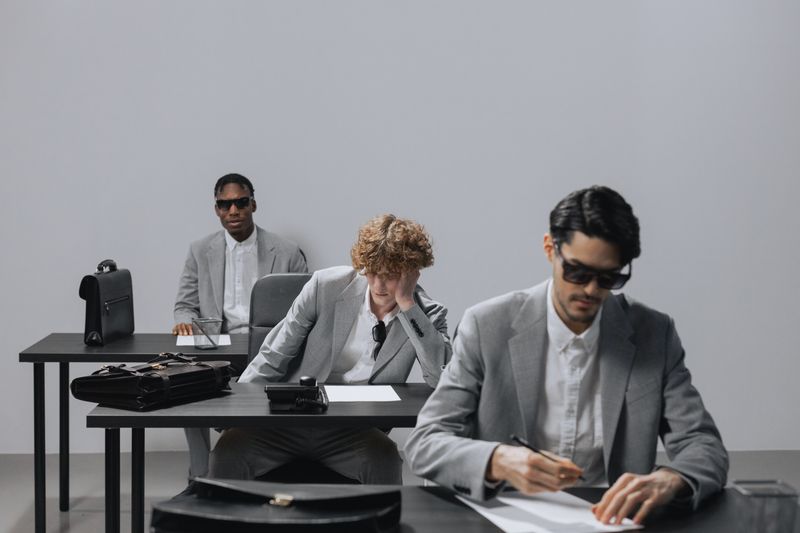
One can only describe individual achievements. The other shares stories of navigating team conflicts, coordinating across time zones, and building consensus among people with different perspectives. Who gets the offer?
Collaboration has become the currency of modern work and learning. Studies show that students in collaborative environments retain 20-30% more information compared to those who study alone [Ejournal]. Your brain simply processes ideas more deeply when you explain them to others and hear different viewpoints.
But only about 18% of classrooms actually emphasize group work and discussions [Cuban]. This means most students graduate without practicing the very skill employers value most. The digital workplace amplifies this gap. Over 70% of teams now operate in distributed environments, making cross-platform collaboration essential rather than optional.
Here’s what this means for you: every group project, study session, or team activity is a chance to build skills that will serve you for decades. The frustration is real, but so is the opportunity.
Setting Clear Goals and Expectations
Most collaboration disasters trace back to the same root cause: assumptions.
 Photo by
 Someone assumed everyone understood the deadline meant midnight, not noon. Someone assumed “good quality” meant the same thing to everyone. Someone assumed roles would sort themselves out naturally.
They rarely do.
Consider getting explicit about three things at the start of every collaboration. First, define what success actually looks like. Not “do a good presentation,” but “create a 10-minute presentation with visual aids that answers these three questions.” Make goals specific enough that everyone could independently recognize whether you’ve achieved them.
Second, assign roles based on strengths and interests. Who coordinates schedules? Who researches? Who writes? Who edits? Who presents? When everyone owns something specific, accountability becomes natural rather than awkward.
Third, and this is the step most teams skip, write it down. Create a simple shared document outlining deadlines, quality standards, meeting times, and how you’ll make decisions when you disagree. Teams with written agreements report significantly fewer conflicts. It takes 15 minutes upfront and saves hours of frustration later.
Communication That Actually Works
You’ve probably experienced communication overload: Slack notifications pinging constantly, email threads that spiral into confusion, group chats where important messages get buried under memes.
 Photo by
 More communication isn’t better communication.
Match your tools to your tasks. Quick updates and simple questions? A messaging app works fine. Complex discussions requiring nuance? Schedule a video call. Collaborative writing? Use shared documents where everyone can see changes in real time.
But tools matter less than norms. It helps to establish expectations early: How quickly should people respond? What warrants a message versus waiting for the next meeting? When is it okay to work asynchronously versus needing everyone online together?
For meetings, structure is your friend. Consider having an agenda, even a simple one. Set time limits. End with clear action items: who is doing what by when. Structured meetings can cut meeting time by 30% while actually improving decision-making. Your future self will thank you.
Turning Conflict Into Better Ideas
Here’s a counterintuitive truth: the best collaborations include disagreement.
 Photo by
 When everyone agrees immediately, you’re probably not thinking deeply enough. The goal isn’t avoiding conflict. It’s channeling it productively.
Start by separating ideas from identity. “I disagree with that approach” is different from “You’re wrong.” When someone challenges your idea, they’re not attacking you. Practice saying “That’s interesting. Help me understand your thinking” instead of getting defensive.
The “Yes, and” technique from improv comedy works surprisingly well. Instead of “No, but” try building on others’ ideas. “Yes, and we could also add” keeps creative momentum going while incorporating different perspectives.
When tensions rise, identify the source. Task conflicts, where you disagree about what to do, can actually improve outcomes when managed well. Process conflicts, where you disagree about how to work together, benefit from quick resolution through clearer agreements. Relationship conflicts, where personal friction develops, often require direct, private conversation before they poison everything else. Different problems need different solutions.
Accountability Without Awkwardness
Nobody wants to be the person chasing teammates for their contributions.
 Photo by
 Nobody wants to be chased either. Good accountability systems make this unnecessary.
Visual tracking changes everything. Tools like Trello, Asana, or even a shared spreadsheet let everyone see who owns what and when it’s due. When progress is visible, social pressure works naturally. You don’t have to nag because the board does it for you.
Brief check-ins help too. A five-minute standup where each person shares what they’ve done, what they’re doing next, and what’s blocking them catches problems early. These work in person or via quick messages.
For academic projects, peer evaluation rubrics can transform dynamics. When individual contributions affect individual grades, participation tends to balance itself. Research suggests peer accountability reduces social loafing by nearly half.
Learning From Every Collaboration
The difference between people who get better at collaboration and those who keep having the same frustrations?
 Photo by
 Reflection.
After each project, spend 15 minutes on a simple retrospective. What should we start doing? What should we stop doing? What should we continue? This Start, Stop, Continue framework surfaces concrete improvements without blame.
Anonymous feedback helps surface issues people hesitated to raise directly. A quick survey asking “What worked? What didn’t? What would you do differently?” often reveals insights that improve future collaborations.
You might also consider keeping a personal collaboration journal. Note what worked, what frustrated you, and what you’d try next time. Students who reflect systematically show measurable improvement in collaboration effectiveness across subsequent projects [Ejournal]. Each experience becomes a lesson rather than just a memory.
Strong learning collaborations don’t happen by accident. They emerge from clear expectations set upfront, communication tools matched to tasks, conflicts channeled into better ideas, accountability systems that feel fair, and reflection that compounds learning over time. These aren’t just academic skills. They’re life skills that will serve you in every team you’ll ever join. For your next collaboration, try this: before diving into the work, create a simple team charter covering goals, roles, and communication norms. Pick one strategy from this guide to implement deliberately. Notice what changes. The best collaborators aren’t born with some special talent. They’re built through intentional practice, one project at a time.