
Sarah had everything on paper: an MBA from a top program, a six-figure salary, and a corner office with a view. Yet every Sunday evening, dread pooled in her stomach. Meanwhile, her college roommate Maria, who’d taken a winding career path with half the credentials, seemed to navigate setbacks with an almost irritating ease. Same opportunities, wildly different outcomes. The difference wasn’t luck or talent. It was something researchers call psychological capital. It may be the most valuable asset you’ve never consciously invested in.
While most of us obsess over bank balances and résumé lines, the resources that actually determine who thrives sit quietly in our minds. Psychological capital comprises hope, efficacy, resilience, and optimism. Research shows it predicts success better than IQ, experience, or financial resources combined. These aren’t feel-good buzzwords. They’re measurable, developable mental assets that separate those who flourish from those who merely survive.
The Wealth We Overlook
We’ve been taught to measure success in external currencies: degrees, promotions, property, savings accounts.

These matter, certainly. But they’re only as useful as our ability to use them. And that ability lives entirely in our heads.
Consider two entrepreneurs with identical startup capital. One sees a failed product launch as evidence they’re not cut out for business. The other treats it as expensive market research and pivots. Same resources, opposite trajectories. Research consistently shows psychological capital predicts job performance significantly better than human capital alone.
Here’s what makes this particularly costly: we invest decades building credentials while spending almost nothing on the mental resources that determine whether those credentials translate into actual outcomes. It’s like buying a sports car but never learning to drive.
The Four Pillars of Mental Wealth
Psychological capital isn’t vague positivity.
 Photo by
 It’s a specific construct with four measurable components that organizations now recognize as strategic strengths.
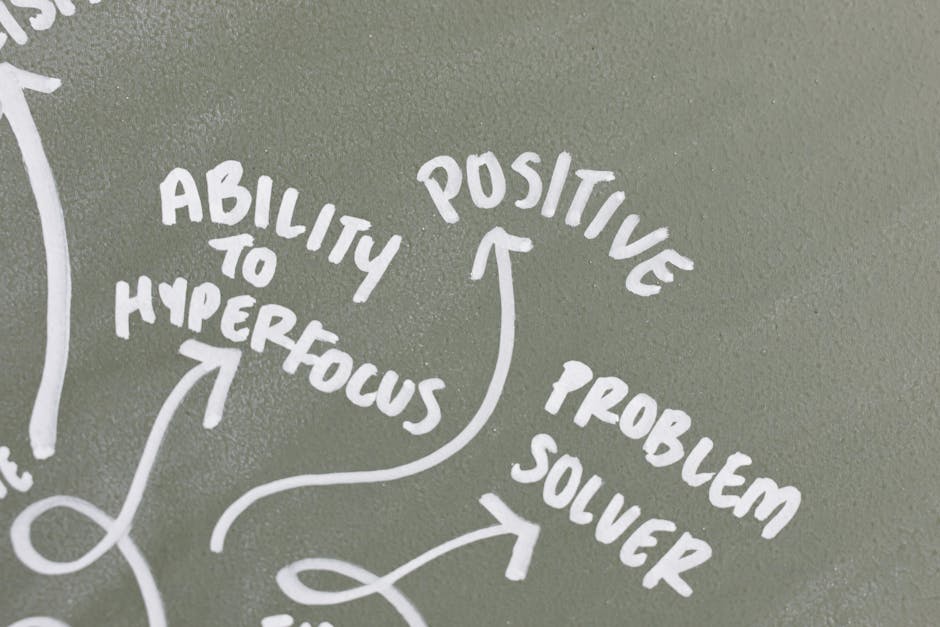
Hope isn’t wishful thinking. It’s the ability to set meaningful goals and generate pathways to reach them. When your primary route hits a wall, hope means you’ve already mapped three alternatives. High-hope individuals don’t just want things. They plan for obstacles before they appear.
Efficacy is confidence with receipts. It’s the belief that you can mobilize resources and take necessary action, backed by evidence from past successes. This isn’t arrogance. It’s earned trust in your own capability.
Resilience goes beyond bouncing back. It’s the capacity to adapt, recover, and sometimes grow stronger through adversity. Resilient people don’t avoid difficulties. They metabolize them differently.
Optimism here means realistic positive attribution. It’s seeing setbacks as temporary and specific rather than permanent and pervasive. It’s not ignoring problems. It’s refusing to let them define your future.
These four pillars don’t just add up. They multiply. Hope without efficacy creates dreamers who never start. Efficacy without resilience produces people who shatter at first failure. The magic happens when all four work together.
Why Traditional Metrics Miss the Mark
Here’s an uncomfortable truth: your credentials represent potential, not performance.
 Photo by
 The gap between what you could do and what you actually accomplish? Psychological capital fills it.
MBA graduates with strong psychological capital significantly outearn peers with identical academic records. Same degree, same school, same job market. Different internal resources, different outcomes. The diploma opened the door. Psychological capital determined what happened after walking through it.
This pattern extends beyond careers. Most diets fail not because people lack nutritional knowledge but because they lack the psychological resources to maintain behavior change. Relationships struggle not from absence of love but from insufficient resilience to weather inevitable conflicts.
We’ve been measuring the wrong things. External achievements without internal resources are houses built on sand.
Building Your Psychological Portfolio
Unlike IQ or personality traits, psychological capital responds remarkably well to intentional development.
 Photo by
 This isn’t about becoming someone you’re not. It’s about strengthening what’s already there.
For hope: Practice pathway thinking. When setting goals, immediately brainstorm three different routes to get there. This mental flexibility means obstacles become detours, not dead ends.
For efficacy: Collect mastery experiences. Start with challenges slightly beyond your comfort zone, succeed, then expand. Your brain needs evidence of capability. Give it some.
For resilience: Build your support network before you need it. Reframe stress as challenge rather than threat. Expose yourself to manageable difficulties so you develop recovery muscles.
For optimism: Practice attribution retraining. When something goes wrong, ask: Is this truly permanent? Does it really affect everything? The answer is almost always no.
Ten minutes of daily practice shows measurable improvements within weeks. Goal-setting, small wins, reframing setbacks. These aren’t dramatic interventions. They’re compound interest for your mind.
Returns That Actually Matter
The ROI on psychological capital spans every domain simultaneously.
 Photo by
 Career advancement, health outcomes, relationship satisfaction, overall wellbeing. All improve together because they draw from the same internal resources.
People with strong psychological capital report dramatically higher life satisfaction at identical income levels. They’re not happier because they have more. They have more because the same resources that build wealth also build meaning.
Perhaps most importantly, psychological capital creates upward spirals. Success builds confidence, which enables risk-taking, which creates more success. The rich get richer. But in this case, the wealth is available to anyone willing to invest.
The wealthiest people aren’t those with the most money. They’re those with the psychological capital to create value wherever they go. And that wealth compounds for a lifetime.
Your most valuable asset isn’t in your bank account or on your résumé. It’s the hope that finds new pathways, the efficacy that takes confident action, the resilience that transforms setbacks into comebacks, and the optimism that sees possibility where others see dead ends.
Start small: identify your most important goal, then map three different ways to reach it. That single exercise begins building the mental wealth that determines everything else. Sarah eventually learned this. So did Maria, years earlier. The question isn’t whether you can afford to invest in psychological capital. It’s whether you can afford not to.