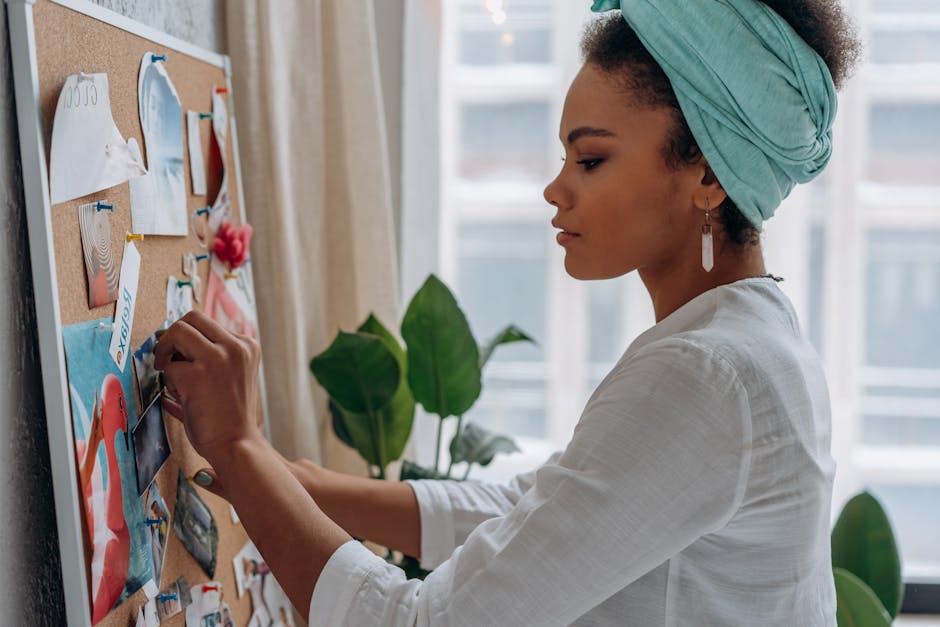

Sarah dreaded Monday mornings. Not because of work, but because of the wellness routine she’d promised herself. The 5 AM alarm. The flavorless meal prep. The grueling gym sessions that left her exhausted. By Wednesday, she’d already hit snooze three times and ordered takeout twice.
Sound familiar? Here’s the truth most wellness advice won’t tell you: if getting healthy feels like punishment, it won’t last. The secret to sustainable wellness isn’t willpower, it’s discovering practices that genuinely delight you. When wellness feels good, it stops being something you force and becomes something you want to do.
Why Pleasure Actually Works
The wellness industry has sold us a lie: transformation requires suffering.

 Photo by
 But research tells a different story. Studies on pleasure-based health approaches show 35% higher long-term adherence rates compared to restrictive diets over 12 months[1]. The reason is brain chemistry: when you enjoy what you’re doing, your brain releases dopamine, the neurotransmitter that reinforces habit formation.
Think about it: you don’t need willpower to do things you love. You don’t force yourself to watch your favorite show or spend time with friends who make you laugh. The same applies to wellness. When you reframe healthy habits as sources of joy rather than obligations, they integrate seamlessly[6]. This isn’t about lowering standards, it’s about working with your psychology instead of against it.
Movement That Doesn’t Feel Like Work
If you hate the gym, skip it.
 Photo by
 Seriously. Fun-oriented fitness programs report adherence rates up to 40% higher than traditional exercise regimens[4]. The goal isn’t finding the “most effective” workout, it’s finding movement that makes you feel alive.
Love music? Try dance classes where you’re too busy learning choreography to notice you’re exercising. Enjoy nature? Hiking combines cardio with social connection and fresh air. Have a competitive streak? Join a recreational sports league focused on play, not performance. Even unconventional options count: trampoline parks, rock climbing, roller skating, or active video games.
The key is matching movement to your personality and schedule. Morning people love sunrise yoga. Night owls prefer evening walks. Some thrive in group settings; others need solo time. Experiment without judgment. When you find your sweet spot, consistency becomes effortless because you’re making time for something you enjoy.
Eating Well Without the Guilt
Restrictive diets fail because they’re built on deprivation.
 Photo by
 But what if healthy eating was about discovering delicious foods you love? This shift transforms your relationship with food from adversarial to collaborative.
Start by exploring cuisines that make nutritious foods exciting. Roasted vegetables with garlic and herbs taste nothing like sad steamed broccoli. Mediterranean dishes burst with flavor while being nourishing. Thai curries, Mexican salsas, Indian spices, these traditions prove healthy and delicious aren’t opposites.
Try mindful eating by actually tasting your food. Put away your phone. Notice textures, flavors, and how different foods make you feel during and after eating. This awareness prevents overeating without counting calories. You’ll discover which foods satisfy you versus which leave you wanting more an hour later.
Build meals around foods you already enjoy, then optimize their nutrition. Love pasta? Try whole grain versions with vegetable-packed sauces. Crave crunch? Roasted chickpeas or nuts provide satisfaction with added protein. The goal isn’t perfection, it’s finding a sustainable way of eating that feels like living, not dieting.
Sleep as Self-Care Luxury
Most people treat sleep like an inconvenience. But what if bedtime felt like the best part of your day?
 Photo by
 This reframing can dramatically improve both sleep quality and your attitude toward rest.
Create a wind-down ritual featuring activities you look forward to. Reading fiction that transports you. Gentle stretching that releases tension. A warm bath with essential oils. Your favorite calming music. The specific activities matter less than choosing things that feel indulgent. This ritual signals to your brain it’s time to transition to restorative rest.
Invest in your sleep environment. Quality sheets that feel luxurious. Blackout curtains that create darkness. A white noise machine that drowns out disruptive sounds. These aren’t frivolous, they’re investments in health. Research shows environmental improvements can increase sleep quality by 20-40%.
Reframe how you think about sleep. It’s not time wasted. It’s a pleasure you’re giving yourself, a nightly reset that allows you to show up as your best self. When you view sleep through this lens, you’ll naturally prioritize rest over late-night scrolling.
Connection as Wellness Practice
Humans are wired for connection, yet we treat socializing as separate from wellness.
 Photo by
 But quality relationships are as vital to health as nutrition or exercise. The challenge is integrating social connection with other health practices.
Combine socializing with wellness. Schedule walking dates instead of coffee shop meetups. Cook healthy meals together, turning meal prep into quality time. Join group fitness classes where you’re accountable to people you like. A 2023 community wellness initiative that prioritized pleasurable activities like dance and social sports saw 30% higher participant retention over six months compared to standard gym programs[5].
Seek out communities around interests you’re passionate about. Book clubs, hiking groups, cooking classes, volunteer organizations, these create connections that energize rather than drain. Choose activities you’d enjoy even if the wellness benefits didn’t exist.
Practice saying no to social obligations that feel like chores. Protecting your energy for relationships that nourish you isn’t selfish, it’s essential. Quality connections matter more than quantity for both mental health and longevity.
Stress Relief Through Micro-Pleasures
Effective stress management doesn’t require expensive spa days.
 Photo by
 Small daily pleasures provide powerful relief when practiced consistently. The cumulative effect of these micro-moments can be just as beneficial as occasional grand gestures.
Identify your personal micro-pleasures, those 5-10 minute activities that reliably shift your mood. Your morning coffee ritual, savored slowly. An afternoon walk where you notice your surroundings. Evening creative hobbies like drawing, gardening, or playing music. These moments accumulate significant stress-buffering effects throughout your day.
Build a “pleasure menu” you can access during stressful moments. Favorite songs that lift your mood. Breathing exercises that calm your nervous system. A friend you can text who always makes you laugh. Having pre-planned options prevents defaulting to unhealthy coping when stress hits.
Experiment with sensory pleasures: aromatherapy with scents you love, textured objects like stress balls, temperature changes like cold water on your wrists. These sensory interventions activate your parasympathetic nervous system within minutes, providing quick relief without requiring significant time or money.
Your Personal Wellness Playlist
Cookie-cutter wellness plans fail because they ignore a fundamental truth: what works for someone else may not work for you.
 Photo by
 Sustainable wellness requires curating a personalized collection of practices aligned with your unique preferences, schedule, and values.
Start by auditing your current habits. Which wellness practices genuinely energize you? Which do you do out of obligation? This self-awareness prevents wasting energy on generic advice that doesn’t fit your life. Research shows intrinsic motivation increases the likelihood of maintaining health behaviors by approximately 50% compared to extrinsic motivation[2].
Begin with one pleasure-based practice. Master it. Let it become automatic. Then gradually add others. Maybe you start with a 10-minute morning dance party. Once that feels natural, add a weekly hiking date with friends. Then experiment with meal prep focused on foods you love. Small wins build momentum better than overwhelming overhauls.
Remember your wellness approach should evolve as your life changes. What works during calm periods may not fit during stressful times. What energizes you in your twenties may shift in your thirties or forties. Regular reassessment prevents the all-or-nothing thinking that derails most wellness journeys.
Wellness doesn’t have to feel like deprivation. When you build healthy habits around genuine pleasure, movement that feels like play, food that delights your taste buds, sleep rituals you look forward to, connections that energize you, and stress relief through simple joys, sustainability becomes natural.
The healthiest version of you isn’t the one who sacrifices the most. It’s the one who’s discovered how to make wellness feel like living fully. This week, choose one pleasure-based practice from this guide and commit to trying it. Not because you should, but because you deserve to feel good. That’s where real transformation begins, not with punishment, but with pleasure.
🌿 Supplement Information: This content shares general guidance for a healthy lifestyle. Reactions to supplements can vary depending on your body and medications, so please consult a healthcare professional before use. This is for informational purposes only, choose what feels right for you.
🔖
[1~6] : Tandfonline