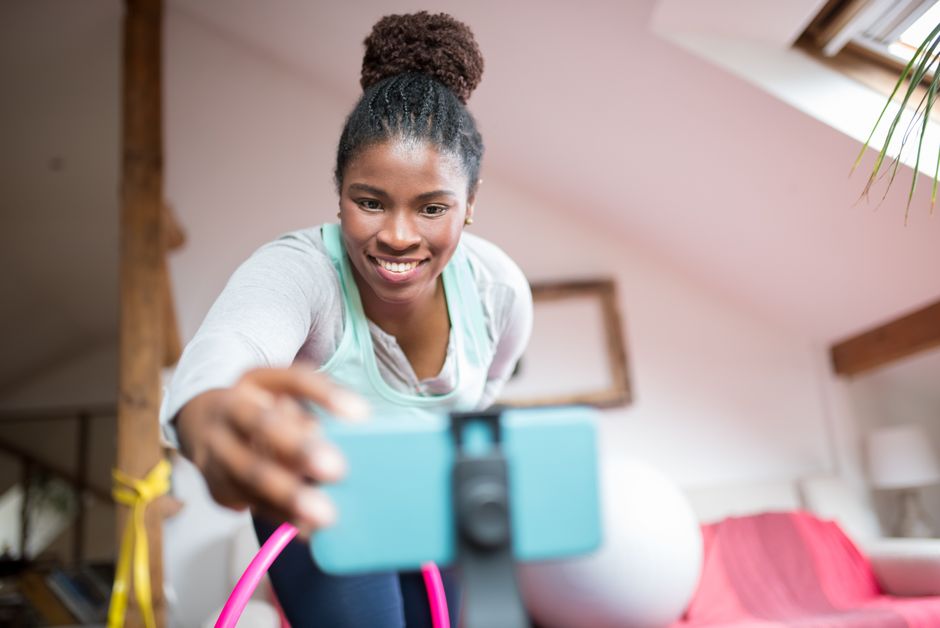
A 15-second video promises to cure your bloating, boost energy, and transform your gut health, all with one morning ritual. Within 48 hours, it has 12 million views.
If you’ve scrolled TikTok or Instagram Reels lately, you’ve seen dozens of these wellness promises. Maybe you’ve tried a few. We all want to feel better, and these videos make it look easy.
Here’s the problem: viral wellness trends spread faster than science can validate them. This gap between popularity and evidence matters. We’ll explore why wellness content dominates your feed, what science actually says, and how you can become a smarter consumer of health information online.
Why Wellness Content Dominates Your Feed
Short-form video platforms turned wellness advice into entertainment.

That shift comes with trade-offs.
Misleading health content on social media often spreads faster than accurate information. Not because people prefer bad advice. Dramatic claims and quick fixes are more shareable than nuanced explanations. A video promising instant results catches attention better than one explaining complex biology.
The average wellness video runs under 60 seconds. Topics like gut health (trillions of microorganisms), metabolism (your body’s energy conversion), and hormonal balance get compressed into before-and-after transformations. Creators without medical credentials often outperform licensed professionals because they’re more entertaining and relatable.
As one analysis noted: “Information about your health and about science and medicine that you see on social media is not necessarily the most accurate. It is the loudest”. Algorithms reward watch time and shares, not accuracy or expertise. The platform’s goal is keeping you engaged, which doesn’t align with providing reliable health information.
Popular Wellness Claims Under the Microscope
Let’s examine trends you’ve probably seen and what evidence actually shows.
 Photo by
 The “30-30-30 approach” went viral as a weight loss strategy: 30 grams of protein within 30 minutes of waking, followed by 30 minutes of exercise. It sounds scientific and specific. Research shows total caloric intake matters more than precise timing for most people. The approach isn’t harmful, but its viral status suggests magical results the evidence doesn’t support.
The Balkan breakfast trend features raw vegetables, cheese, bread, and cured meats. While it looks wholesome, some users reported digestive discomfort after adopting it. What works in one culture’s dietary context doesn’t automatically translate to everyone. Our digestive systems adapt to foods we grow up eating.
Detox drinks and cleanses dominate wellness feeds despite limited evidence. Your liver and kidneys already detoxify your body continuously without special beverages. That green juice provides vitamins, but it’s not doing detoxification work your organs aren’t already handling.
The Evidence Gap Problem
A disconnect exists between viral wellness advice and peer-reviewed research.
Scientific validation takes months or years. Viral trends peak within days.
 Photo by
 By the time researchers study a wellness claim through controlled trials, the internet has moved to the next miracle solution. This timing mismatch creates a vacuum filled with unverified claims.
Anecdotal evidence fills this gap. Personal testimonials replace controlled studies in viral content. Individual results don’t account for placebo effects (belief creating perceived improvements), confounding variables (other lifestyle factors), or pre-existing conditions. When someone says “this worked for me,” they’re sharing genuine experience, but that experience may not translate to your body or circumstances.
This creates real vulnerability, especially among younger users. Many Gen Z adults report frequent anxiety or stress, leading them to self-manage through supplements and wellness routines. TikTok influencers promote “Sunday reset” routines featuring stacks of supplements, often without medical oversight. The desire to feel better is valid. The solutions being offered deserve scrutiny.
How Algorithms Shape What You See
Social media algorithms care about engagement, not accuracy.
 Photo by
 Content featuring dramatic transformations or controversial claims gets preferential distribution. Platforms optimize for watch time and emotional reactions, creating a feedback loop rewarding sensationalism over substance. A video showing someone’s “shocking” health transformation will always outperform a nuanced discussion of gradual lifestyle changes.
The result? Echo chambers form as you receive increasingly extreme wellness content based on what you’ve engaged with before. Watch one video about gut health, and your entire feed becomes an endless scroll of digestive “solutions.” Recommendation systems reinforce existing beliefs rather than providing balanced perspectives.
This isn’t conspiracy. It’s how these platforms maximize user engagement. Your feed isn’t showing you the most accurate information. It’s showing you what keeps you scrolling.
Real Consequences Worth Considering
Viral wellness trends create tangible impacts beyond wasted time or money.
 Photo by
 Emergency room visits have increased for complications from unregulated supplements and extreme dietary protocols promoted online. Poison control centers report rising calls related to social media wellness trends. Some elimination diets promoted online take punitive approaches: “if you take one bite of something with dairy in it, for example, you’d need to start all over again”. That all-or-nothing thinking can damage your relationship with food.
Financial costs add up too. Consumers spend billions annually on wellness products promoted through viral content, often with minimal regulation. The influencer wellness market operates largely outside FDA oversight, meaning products can make claims without rigorous testing required for medications.
Most concerning: viral trends can delay proper medical care. When someone relies on TikTok advice instead of consulting a doctor, treatable conditions worsen. What starts as a minor issue becomes serious because someone trusted social media over professional medical evaluation.
A Framework for Evaluating Wellness Content
You don’t need to become a scientist to navigate wellness content wisely.
 Photo by
 A few strategic questions separate helpful information from hype.
Use the CRAAP test, a framework developed by librarians for evaluating information sources: Currency (is this recent?), Relevance (does this apply to me?), Authority (who’s making this claim?), Accuracy (is there evidence?), and Purpose (is someone selling something?). These five questions quickly reveal whether content deserves your trust.
Watch for red flags suggesting unreliable information. Absolute language like “cure,” “miracle,” or “guaranteed” should raise suspicion. Legitimate health advice acknowledges individual results vary. Pressure to buy products immediately suggests sales motivation over genuine help. Credible health advice doesn’t push aggressive sales tactics or create artificial urgency.
Verify creator credentials before following advice. A large following doesn’t equal medical expertise. Entertainment value and medical knowledge are different skills. Check if claims are supported by peer-reviewed sources, not just other viral videos. Cross-reference information with established medical institutions like the NIH or CDC.
Building Lasting Health Literacy
Long-term protection against wellness misinformation requires developing better information habits.
 Photo by
 Follow healthcare professionals who cite sources and acknowledge limitations. Credible experts discuss nuance, individual variation, and when more research is needed. They don’t promise miracles or claim to have all answers. They’re comfortable saying “we don’t know yet” or “this works for some people but not others.”
Consult licensed healthcare providers before implementing viral wellness trends, especially if you have existing health conditions. Personalized medical advice accounts for your unique health history and potential interactions no 15-second video can address. Your doctor can help determine whether a trend is helpful, harmless, or risky for your specific situation.
Cultivate healthy skepticism toward quick fixes without becoming cynical. Sustainable health changes require time and consistency, not dramatic transformations. Evidence-based wellness emphasizes gradual lifestyle modifications, which makes for less exciting content but produces more lasting results.
You can still enjoy wellness content as a source of ideas and inspiration. Just approach it as entertainment first, and verify before implementing anything affecting your health.
Viral wellness trends offer accessibility and community, but they often lack scientific backing. By understanding how algorithms amplify engaging content over accurate content, applying critical evaluation frameworks, and consulting healthcare professionals, you can navigate wellness content more safely.
Before trying your next viral wellness trend, pause to verify credentials, check for peer-reviewed sources, and chat with your doctor. Your health deserves more than 15 seconds of consideration. Investing time in evaluation, not just experimentation, helps you make choices that truly support your wellbeing.
🌿 Supplement Information: This content shares general guidance for a healthy lifestyle. Reactions to supplements can vary depending on your body and medications, so please consult a healthcare professional before use. This is for informational purposes only, choose what feels right for you.