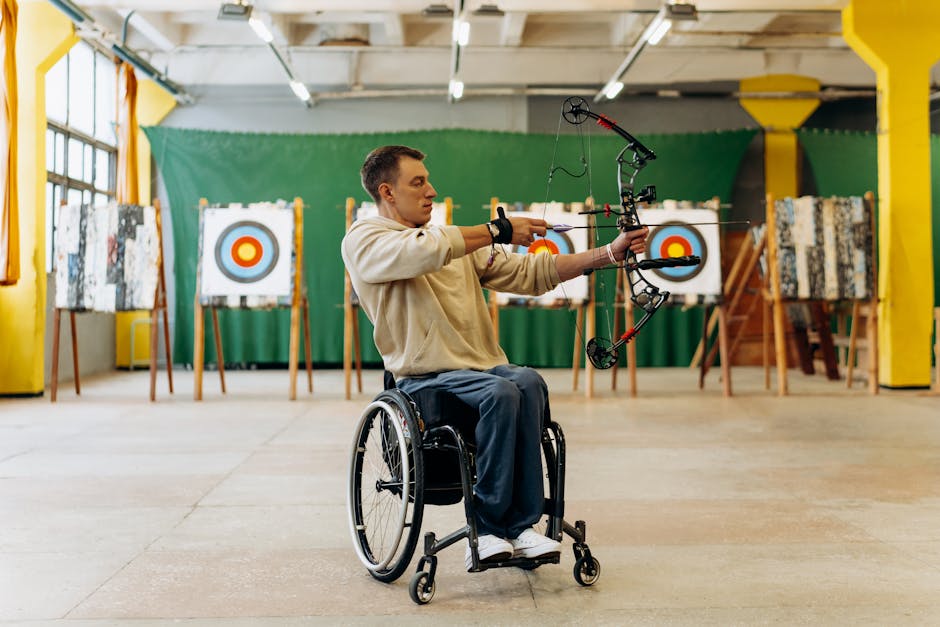
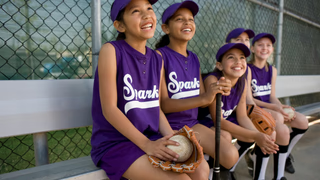
Seven out of ten youth athletes quit organized sports before age 13. Not because they lack talent or toughness, but because 39% say it simply isn’t fun anymore [NIH/PMC]. As the 2024 Paralympics spotlighted inclusive athletics and broadened conversations about who sports are for, a parallel crisis has been accelerating in youth leagues across the country. Only 37% of high school students now participate in school sports [NIH/PMC], and fresh 2024 data links early sports pressure to rising anxiety and depression among young athletes. The dropout epidemic isn’t slowing down. It’s getting worse.
Two Worlds of Youth Sport
In one world, a ten-year-old plays soccer in the fall, swims in the winter, and runs track in the spring.
 Photo by
 She picks up different movement patterns, recovers between seasons, and stays healthy. In another world, a ten-year-old trains year-round in a single sport: travel team, private coaching, weekend tournaments. Early specialization now affects 45% of youth athletes before age 12, and those single-sport kids are 70 to 93% more likely to suffer overuse injuries [NIH/PMC].
The performance gap between these two paths doesn’t favor the one most parents assume. Multi-sport athletes had 30% fewer injuries and were far more likely to play sports in college. 88% of college athletes were multi-sport kids, compared to just 12% who specialized early . Early specializers were also twice as likely to quit sports entirely by age 15 .
These parallel tracks converge at one uncomfortable truth: the approach designed to create elite athletes actually destroys more athletic careers than it builds.
Pressure Versus Play
The pressure side of youth sports carries its own disturbing metrics.
 Photo by
 A 2024 APA study found that 34% of youth athletes showed symptoms of performance anxiety, and 28% experienced depression symptoms linked to sports pressure . 62% of young athletes report feeling pressure from parents, and children whose parents exhibit high-pressure behaviors are 3x more likely to quit .
Contrast that with what kids actually want. When asked why they play, the answer is overwhelmingly simple: fun. Not trophies, not scholarships, not rankings.
“We’ve created a system where 8-year-olds are being evaluated like professional prospects. The pressure to perform, to specialize, to commit year-round is developmentally inappropriate.”
The gap between what adults prioritize and what children need from sport has rarely been wider. One world optimizes for results; the other craves joy. The research is clear about which world produces lasting athletes.
Recognizing Burnout Before Dropout
Burnout rarely announces itself with a dramatic exit.
 Photo by
 It creeps in through behavioral and emotional shifts that are easy to dismiss. Key warning signs include:
-
Persistent fatigue or declining performance despite consistent training
-
Loss of enthusiasm, increased irritability around practice time
-
Frequent illness or nagging injuries that don’t fully recover
-
Avoiding teammates, faking injuries, or asking to skip sessions
-
Emotional withdrawal that precedes the physical decision to quit
These signals often appear months before a child walks away. Catching them early gives families a genuine window to intervene. The most useful shift is asking not “How did you perform?” but “What did you enjoy?”
Small Shifts With Measurable Impact
Reversing this trend doesn’t require dismantling youth sports culture overnight.
 Photo by
 Two evidence-backed changes stand out:
- Mandatory off-seasons of two to three months per year. Rest periods reduce overuse injuries and give developing bodies time for genuine recovery.
- Effort-focused language from parents and coaches. Replacing “Did you win?” with “What did you learn today?” shifts a child’s relationship with competition from anxiety to curiosity.
Multi-sport participation through age 14 remains the strongest predictor of both long-term athletic development and college-level play . The data points in one direction: breadth before depth, joy before pressure, and recovery built into every season.
The 70% dropout figure isn’t a talent problem. It’s an environment problem. When adults impose professional-level pressure on developing kids, the predictable result is burnout, injury, and withdrawal. Fun, variety, and rest consistently produce stronger, healthier, longer-lasting athletes. One question worth asking tonight: what does your child love most about their sport? That answer could reshape how your family approaches the next season.