

You hear that ping. Your hand reaches for your phone before you even think about it. That split-second reflex isn’t accidental. Streaming platforms have engineered every sound to capture your attention.
From algorithm-curated playlists to notification chimes, streaming services use strategic audio design to trigger emotions and keep you coming back. The scale is staggering: nearly 200 billion audio streams happened in the UK alone during 2024 [BPI]. Behind those numbers lies a sophisticated system of sonic manipulation that shapes how we listen, watch, and engage with digital content.
Platform Algorithms Shape Your Playlist
Your favorite playlist feels personal because it is.
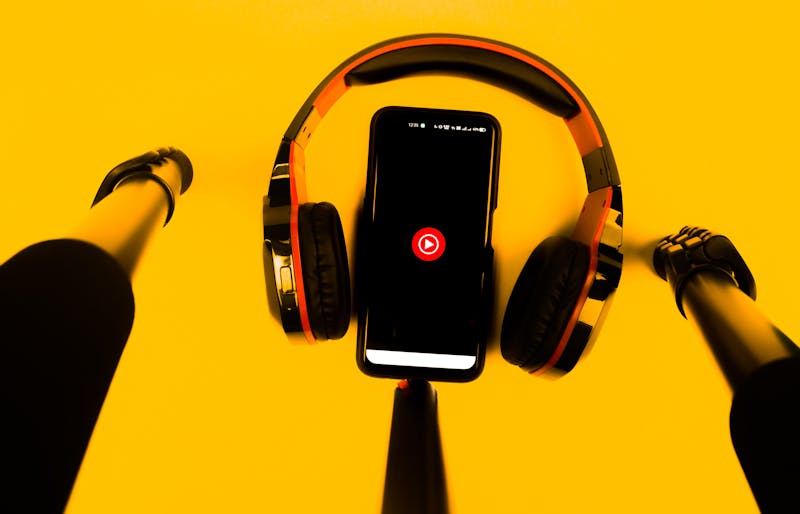
Just not in the way you’d expect. Streaming platforms analyze your listening patterns to create audio sequences designed to maximize engagement and session length.
Spotify’s algorithm tracks tempo, key, and energy levels to create seamless transitions between songs. The platform processes over 70 million tracks to match mood patterns with your behavior data. But personalization goes deeper than song selection.
Machine learning identifies micro-patterns in your listening habits. Skip rates, replay frequency, and time-of-day preferences all feed into the system. These data points build audio profiles that predict what will keep you streaming longer. Your playlist isn’t random. It’s a calculated sequence engineered to match your psychological audio preferences.
Sound Design Triggers Emotional Responses
Platform intro sounds do more than announce an app opening.
 Photo by
 They’re designed to trigger specific emotional responses that boost content stickiness.
Think about Netflix’s iconic “ta-dum” sound. Those two notes use ascending tones and major keys to trigger dopamine release and positive associations. The sound was engineered at specific frequencies to create anticipation and instant brand recognition. These sonic signatures work on a neurological level.
Auto-play countdowns take a different approach. That rhythmic ticking sound creates urgency, exploiting loss aversion to prevent you from leaving. The countdown audio increases continued viewing by creating psychological pressure to stay engaged. Every beep, tone, and transition sound influences your emotional state and viewing decisions.
Notification Sounds Drive Return Behavior
Strategic notification audio creates conditioned responses that bring users back to platforms repeatedly throughout the day.
 Photo by
 Streaming apps use variable reward schedules. Unpredictable notification timing paired with distinct sounds creates habit loops. This mirrors slot machine psychology, where intermittent rewards create stronger behavioral conditioning than consistent ones. The sound itself becomes a trigger.
Notification tones are tested for optimal frequency ranges that cut through ambient noise without causing irritation. Most platforms use 1000-3000 Hz range, matching human hearing’s most sensitive frequencies for maximum attention capture. Notification sounds aren’t simple alerts. They’re carefully crafted triggers designed to create compulsive checking behavior.
Streaming platforms use audio at every level. From algorithmic playlist curation to emotional sound design to notification conditioning. Understanding these tactics reveals how deeply sound influences your digital behavior.
Next time you hear that ping, consider pausing before responding. Recognizing the engineering behind the sound can help you reclaim some control over your listening habits. Your ears are the gateway, and streaming services have spent years perfecting the key.


