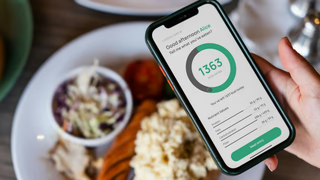
The FDA quietly cleared the first prescription app for depression in May 2024. Rejoyn delivers structured cognitive behavioral therapy alongside medication, showing modest but meaningful results. The bigger story is what this signals about the future of mental healthcare access.
When Pills Aren’t Enough
Roughly one-third of people with depression don’t achieve remission on antidepressants, even after trying several medications. That’s millions caught in a cycle of switching prescriptions, adjusting doses, and waiting weeks to see if anything changes.
Treatment-resistant depression affects 30-40% of patients on SSRIs. Side effects like weight gain, sexual dysfunction, and emotional blunting cause roughly half of patients to stop medication within three months. Therapy waitlists average 6-8 weeks in urban areas and stretch far longer in rural communities.
Many describe a particular frustration: doing everything right, taking medication, staying active, and still struggling. That gap between effort and relief is where digital therapeutics entered the conversation.
Rethinking How Digital Tools Fit In
About 160 million Americans live in areas designated as mental health professional shortage zones. That context makes digital therapeutics more than a novelty. For many people, an app might be the most accessible form of structured therapy available.
But the most promising outcomes don’t come from apps alone. Hybrid care models combining digital tools with periodic human check-ins consistently outperform app-only approaches, with some early data suggesting hybrid models achieve around 65% improvement rates compared to roughly 48% for standalone digital interventions.
This aligns with something many clinicians have noticed: technology works best as a bridge, not a destination. An app can reinforce skills between sessions, provide structure during long waitlist periods, or offer gentle daily practice for someone who finds weekly therapy too infrequent.